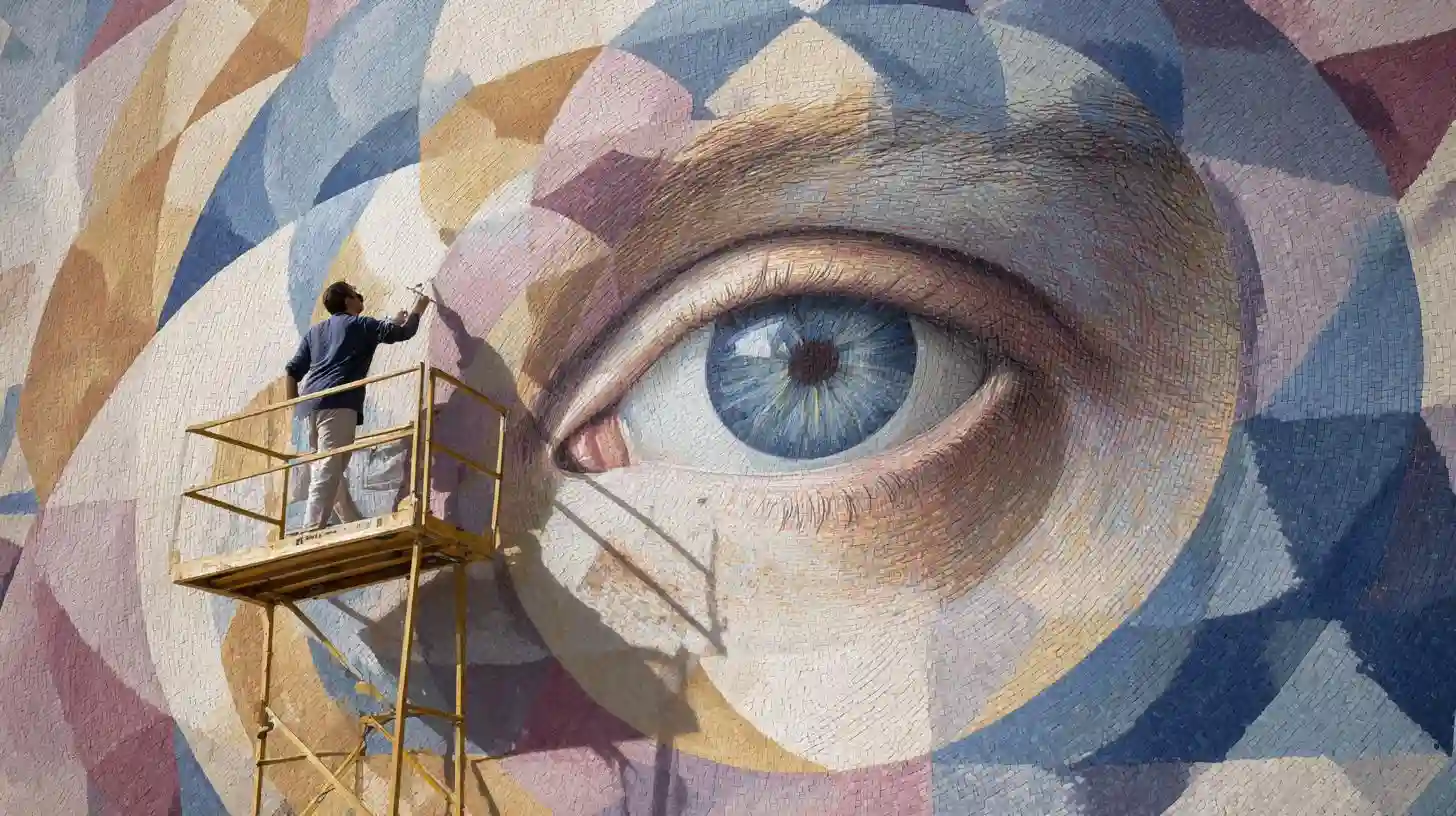
Creating a mural is a transformative artistic endeavor that requires not only creativity but also careful planning and technique. Whether you’re painting a mural for the first time or looking to enhance your existing skills, there are several crucial steps that can guide you through the process and help you achieve an impressive result. Understanding the fundamental aspects of mural painting will allow you to approach the project with confidence and precision.
One of the first considerations when planning a mural is the space itself. The size and layout of the wall you will be painting on can significantly influence the design and composition of your mural. Before starting, assess the environment around the wall to ensure the mural complements the space. For instance, consider the lighting in the room, whether it is natural or artificial, as well as how the mural will interact with existing colors and decor. Taking into account how people will engage with the mural, whether they are viewing it from a distance or up close, will also affect how you approach the design.
Once the location is determined, it’s essential to plan your mural's design. This step involves brainstorming the theme, concept, and imagery that best communicates the message or mood you want to convey. Begin by sketching out your ideas on paper or digitally, refining your composition until you’re satisfied with the overall look. Be mindful of proportions and the visual flow of your design—your goal is to create something that draws the viewer's attention and holds it. If the mural will incorporate text or complex elements, make sure the typography or imagery is clear and legible.
When it comes to the technical side of mural painting, choosing the right materials is key. Depending on whether you are working indoors or outdoors, different types of paint may be required. For indoor murals, acrylic paints are often the best choice due to their quick drying time and versatile finish. For outdoor murals, where weather conditions can impact the longevity of the artwork, weather-resistant paints designed for exterior use are essential. These paints not only withstand the elements but also maintain their vibrancy over time.
The surface preparation is another critical step before applying paint. Clean the wall thoroughly to remove any dirt, dust, or grease that could interfere with the paint’s adhesion. If the wall has any cracks or imperfections, fill them in and sand the surface smooth. Priming the wall is especially important as it ensures the paint will adhere properly and prevents any color from soaking into porous surfaces. If you're working on a particularly rough surface, applying a texture coat before starting with the paint may be beneficial. This extra layer can help ensure that your final mural has a smooth, even finish.
Once the wall is prepped and primed, it’s time to begin sketching the design on the wall. Use a light pencil or chalk to outline the main shapes and elements of your composition. Some artists prefer to use a grid method, drawing a grid on the original design and transferring it to the wall using a proportional grid. This technique helps maintain accurate proportions and scaling, especially when working with large designs. Another option is to project the design onto the wall using a projector, allowing for a more precise transfer of your artwork.
With the initial outline in place, you can begin applying the base layers of color. It’s typically best to start with the larger areas and work your way towards the smaller details. This method ensures that any minor errors or adjustments can be made without disrupting the more intricate portions of the design. Use large brushes or rollers for coverage of large areas and smaller brushes for details. Layering the paint gradually can help achieve depth and richness in the final piece.
As you continue with the painting process, take breaks to step back and assess your progress from a distance. This perspective allows you to notice areas that may need adjustments in color or shape. While working on the details, don’t forget about the importance of shadows and highlights. These elements can give your mural a sense of three-dimensionality and realism, making it come to life. Whether you’re creating a realistic portrait or an abstract piece, paying attention to how light interacts with the forms on your wall will greatly enhance the overall effect.
After the mural is painted, it’s essential to protect your work. Applying a clear varnish or protective sealant will help preserve the colors and prevent fading or damage. This is especially important for outdoor murals that will be exposed to the elements. A protective finish also ensures that the mural is easy to clean and maintain over time. Depending on the environment, you may want to reapply the varnish periodically to keep the mural looking fresh.
Finally, be patient and take your time with the process. Painting a mural is not a race, and rushing through the stages can result in a less polished outcome. Allow yourself plenty of time for preparation, execution, and touch-ups. And remember, every artist has their own pace and methods, so don’t be afraid to experiment and find what works best for you. By following these expert tips and committing to the craft, you’ll be able to unlock the secrets to painting a stunning mural that will captivate and inspire those who see it.