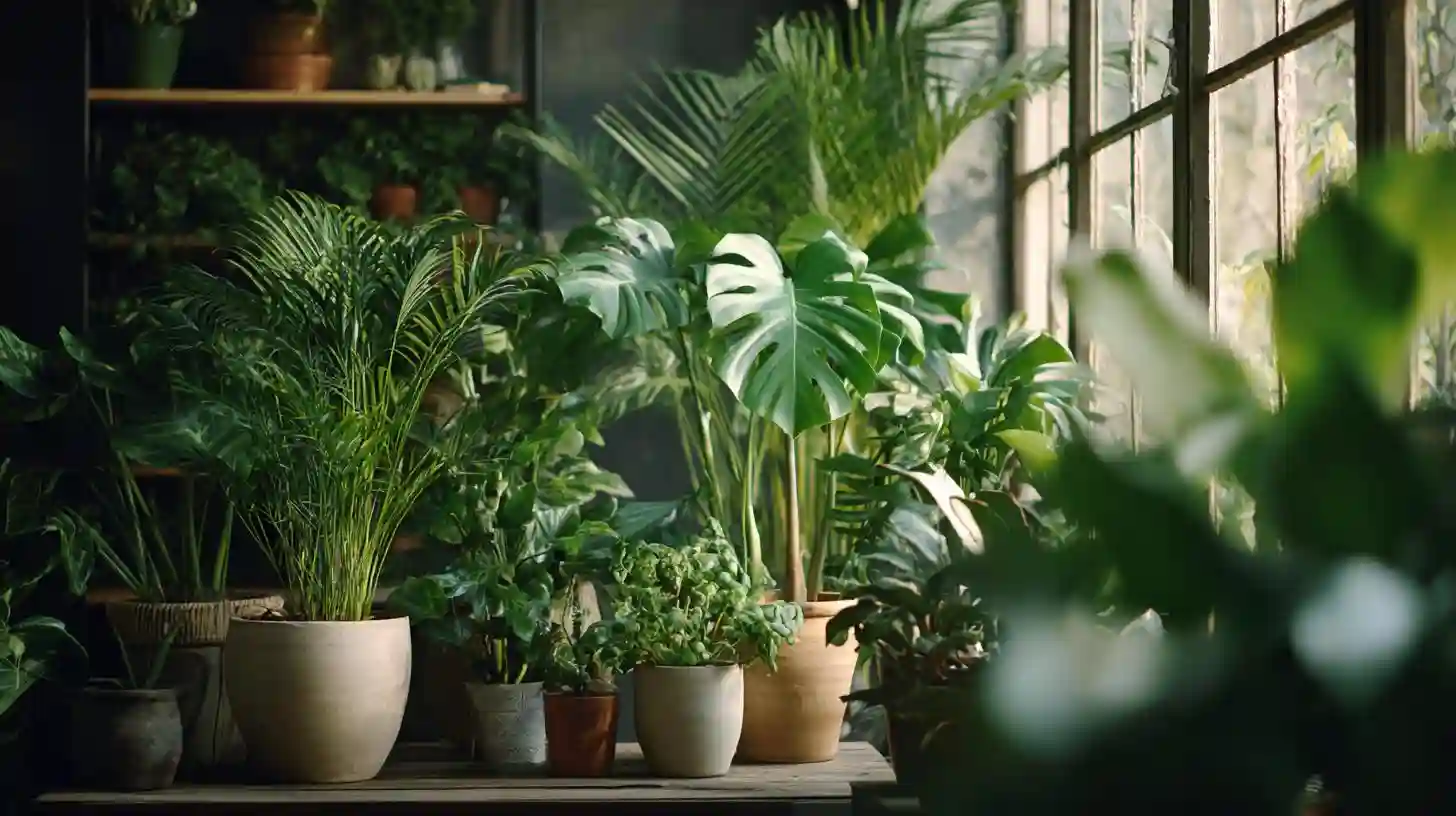
When it comes to indoor plants, the right care and potting techniques are crucial for their growth and well-being. The process of potting involves choosing the right container, soil, and ensuring proper drainage, all of which create the ideal environment for plants to thrive. Start by selecting a pot that is slightly larger than the root ball of the plant. A pot that is too large can cause the soil to retain excess moisture, leading to root rot, while one that is too small may restrict the plant's growth. The material of the pot can also play a role in plant health. Clay and terracotta pots are breathable, allowing moisture to evaporate, which is ideal for plants that prefer drier conditions. Plastic pots, on the other hand, retain moisture longer, which may be more suitable for plants that like to stay consistently moist.
The next important step is to choose the right type of soil. Different plants require different soil types to thrive. Most indoor plants do well in a general-purpose potting mix, but it is important to consider the plant’s specific needs. Cactus and succulents, for instance, prefer a well-draining mix with sand or perlite added to prevent water from sitting around the roots. On the other hand, plants like ferns or peace lilies need a rich, moisture-retentive soil. Additionally, avoid using garden soil, as it tends to be too heavy for pots and may contain pests or diseases that could harm your plants.
Before potting your plant, check the drainage holes in your pot. If the pot doesn’t have enough drainage, the excess water could accumulate at the bottom, suffocating the roots. If needed, you can add a layer of gravel or small stones to the bottom of the pot to facilitate drainage. After ensuring good drainage, place the plant in the pot and add soil around the root ball. Gently press down the soil to eliminate air pockets and ensure the plant is secure. Be careful not to bury the stem of the plant too deep into the soil, as this can cause rot.
Watering is one of the most common challenges in plant care. Overwatering and underwatering can both lead to unhealthy plants. A good rule of thumb is to allow the top inch of soil to dry out between waterings. Plants such as succulents and cacti thrive on a little neglect, while tropical plants typically require more consistent moisture. To determine when to water, check the soil moisture with your finger or a moisture meter. If the soil feels dry at a depth of one inch, it’s time to water. Always ensure that excess water can drain away, and avoid letting the plant sit in water for long periods, as this can lead to root rot.
Light is another key factor in indoor plant care. Different plants have different light requirements, so it’s important to place them in a location where they will receive the right amount of sunlight. Plants that require bright, indirect light should be placed near a window with sheer curtains, which filter the light. Direct sunlight can scorch the leaves of some plants, so avoid placing plants that prefer indirect light in direct sun. Low-light plants, such as snake plants or pothos, can thrive in areas with little natural light, but they may need artificial light to grow.
Fertilizing your indoor plants helps provide essential nutrients, especially if they are in the same potting mix for a long period. During the growing season, typically spring and summer, you can use a balanced liquid fertilizer once a month. Be careful not to over-fertilize, as this can damage the roots and leaves of the plant. Reduce or stop fertilizing during the dormant season, usually in the fall and winter, as the plants' growth slows down and they don’t need as many nutrients.
Pruning and cleaning are important aspects of plant care. Regularly removing dead or yellowing leaves keeps the plant looking tidy and healthy. Some plants, such as the spider plant or pothos, benefit from occasional trimming to encourage new growth. You can also wipe the leaves with a damp cloth to remove dust, allowing the plant to absorb more light. Be gentle when handling the leaves to avoid causing damage. If the plant has any pests, such as spider mites or aphids, it’s important to act quickly by using an appropriate pesticide or by wiping the leaves with soapy water.
Finally, repotting is a necessary part of indoor plant care. As plants grow, their roots can become crowded in their current pot, limiting their access to nutrients and water. You may notice that your plant is becoming top-heavy, or its growth has slowed down, which could be a sign that it needs more space. When repotting, choose a pot that is one size larger than the current one. Gently remove the plant from its old pot, taking care not to damage the roots, and place it in the new pot. Add fresh soil around the roots and water thoroughly after repotting.
With these expert tips and techniques, your indoor plants will have the best chance to grow strong and healthy. Whether you're a beginner or an experienced plant parent, the right care and attention will ensure that your indoor garden thrives year-round.