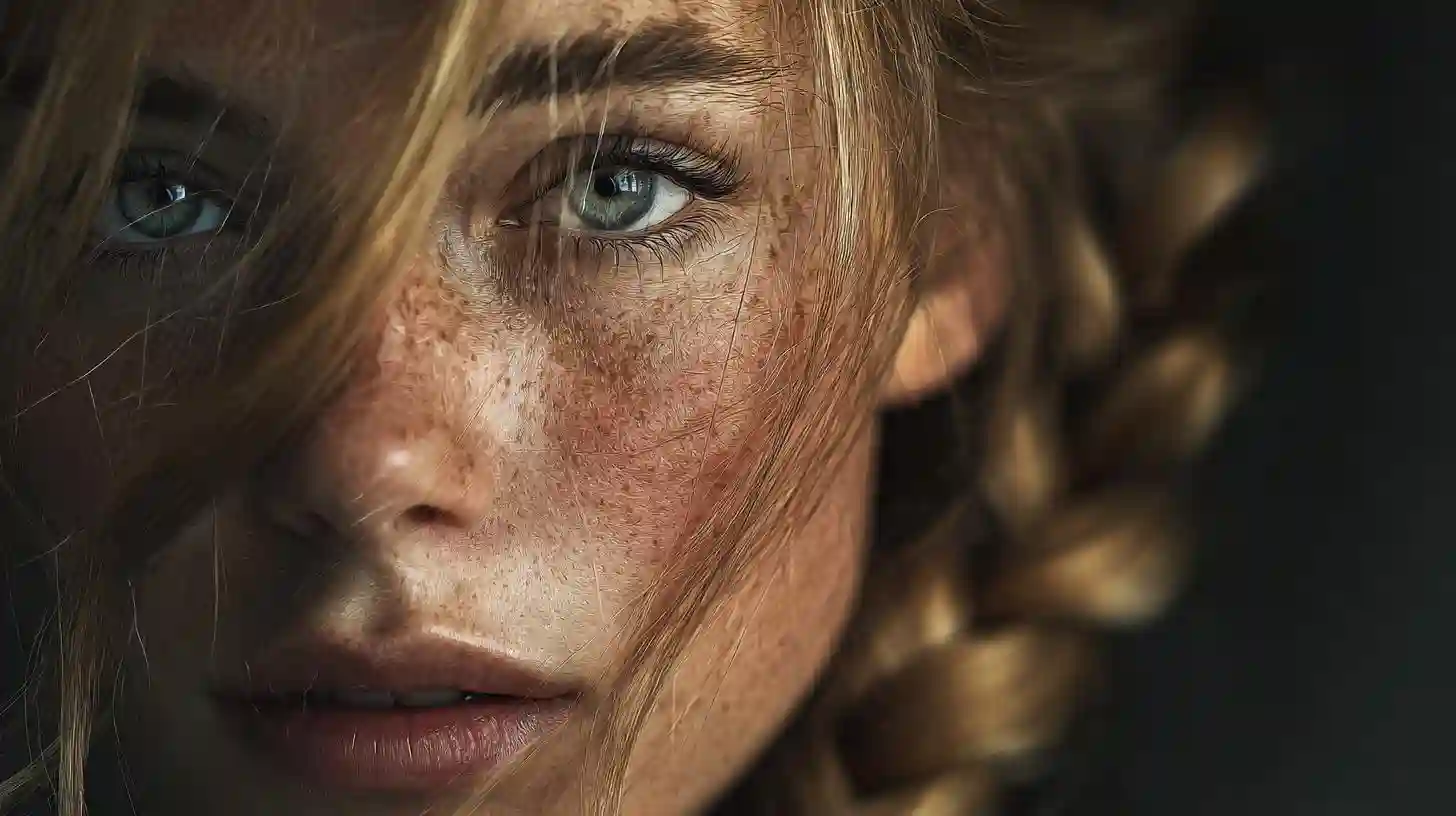
Creating stunning realistic portraits is an art that requires both technical skill and an in-depth understanding of human anatomy, light, and the subtleties of facial expression. To master this craft, artists can learn from the techniques of those who have perfected it over the years. One of the key elements in producing lifelike portraits is an understanding of light. A portrait can come to life when light is captured accurately, and the shadows are placed in such a way that they enhance the three-dimensional quality of the face. Artists often use reference photographs that capture the subject in various lighting conditions, observing how light affects the contours of the face and the shadows that create depth. By carefully studying light, artists can replicate its effects on skin texture, bone structure, and the play of highlights on the face, creating a more realistic representation.
Another essential aspect of realistic portraiture is mastering the proportions and anatomy of the face. While every individual has unique features, there are standard proportions that artists can use as a foundation to create a balanced and accurate likeness. The distance between the eyes, the angle of the nose, the curve of the lips, and the placement of the ears are all important considerations. Artists often use tools like grids or guidelines to ensure that the features are aligned correctly and proportionately. This method helps artists maintain accuracy while allowing for artistic freedom. The more familiar an artist becomes with the typical placement and relationships of facial features, the more lifelike their portraits will appear.
Color theory plays a significant role in the realism of portraits. Skin tones, for example, can be surprisingly complex. Rather than relying on a single color for the face, artists mix a variety of pigments to replicate the subtle variations in skin tone caused by factors like lighting, blood flow, and age. The interplay of warm and cool tones on the skin gives the portrait depth and vibrancy. The eyes and lips, which often serve as focal points in a portrait, are painted with greater attention to detail. The whites of the eyes, for instance, are not pure white but contain various hues of gray, blue, and even red, reflecting the unique characteristics of the individual. Similarly, the lips are not a flat, uniform color; they have layers and gradations that an artist must carefully observe to replicate them faithfully.
Texture is another crucial component of realistic portraiture. The texture of the skin, hair, and even the background can enhance the overall realism of the piece. To achieve this, artists use a variety of techniques, from smooth blending for skin to stippling or dry brushing for hair. The texture of skin can be subtle, and capturing the fine details, like pores and wrinkles, adds another layer of realism. Artists often use different brushes or tools to achieve the desired effect, ranging from soft brushes for blending to finer ones for adding details. The hair, with its unique strands and movement, can also make a portrait stand out. Capturing the flow, shine, and individual strands requires attention to detail and a good understanding of how hair interacts with light.
Facial expressions are integral to a portrait’s ability to convey emotion. A slight raise of an eyebrow or the curve of the lips can change the entire character of a portrait. Artists need to observe how facial muscles work in harmony with each other and how emotions manifest on the face. The ability to capture not only the likeness of a person but their personality and mood is what truly makes a portrait stand out. Subtle details like the positioning of the mouth or the slight squint of the eyes can convey more than just the physical likeness; they can add life and story to the portrait. Each person’s facial expression is unique, and understanding this can help artists create a more accurate and compelling portrayal of their subjects.
Patience is another important trait when it comes to creating realistic portraits. Often, artists may spend hours or even days working on a single piece, refining details, adjusting lighting, and perfecting textures. The process is slow and requires persistence, but the result is a piece that feels as though it could come to life at any moment. Many artists work in layers, starting with a basic sketch and gradually adding more depth and detail as they progress. By focusing on one section at a time, artists can ensure that each part of the portrait receives the attention it deserves, contributing to the overall realism of the piece.
Finally, one of the best ways to improve as a portrait artist is through observation and practice. Every subject offers something new to learn, whether it’s the unique texture of their skin, the way light hits their face, or the emotion they convey through their eyes. The more time an artist spends observing people, the better they will be at capturing their likenesses and personalities in their work. As with any art form, practice is key to improvement.