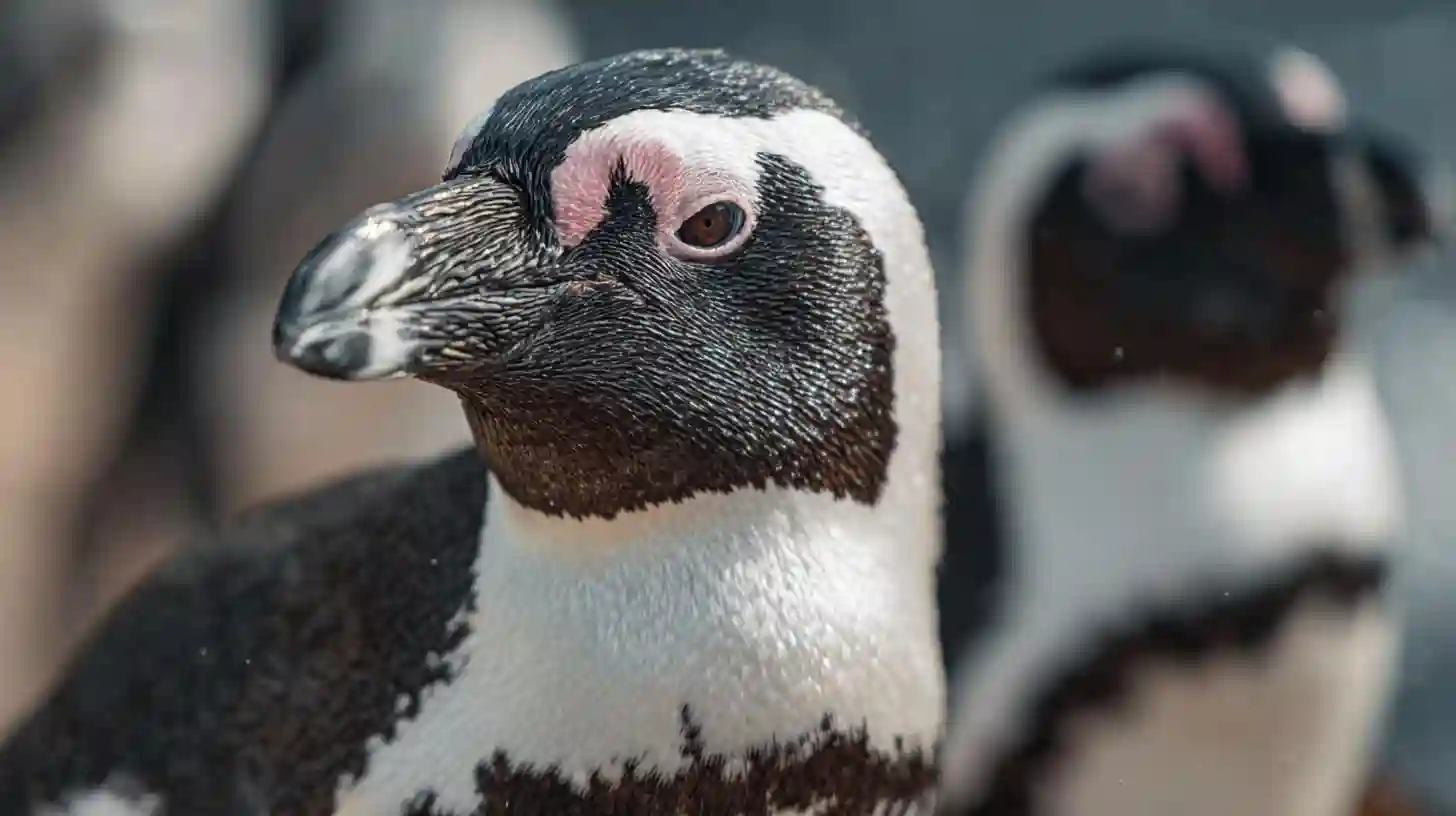
The African penguin, also known as the jackass penguin due to its donkey-like braying call, is one of the most unique species of penguins found in the animal kingdom. Unlike most penguins, which are typically associated with icy, remote southern regions like Antarctica, the African penguin resides along the warm, rocky coastlines of Southern Africa. It is the only penguin species that breeds on the continent, specifically in the countries of South Africa and Namibia. These penguins thrive in a climate that is vastly different from the freezing cold environments of their relatives, adapting in surprising ways to the warmer conditions.
African penguins are medium-sized birds, generally weighing between two and four kilograms. They have the distinctive black-and-white plumage that is characteristic of all penguin species, with a black stripe that runs across their chest. This stripe is not just decorative but helps with thermoregulation, an important feature for these birds that must adapt to both the heat of the African sun and the cooler waters of the surrounding oceans. The black coloration on their backs absorbs sunlight, while the white bellies reflect light, offering a degree of camouflage in the water. The contrast between the black and white also aids in creating a form of camouflage from predators both in the water and on land.
One of the fascinating aspects of African penguins is their remarkable ability to thrive in a warm climate, which sets them apart from the majority of their relatives who live in much colder environments. They make their homes on small, rocky islands and in coastal areas where they build nests in burrows or under vegetation to shield themselves from the heat of the sun. Their nests are often situated in areas with ample shade, offering relief from the extreme daytime temperatures. These penguins have also adapted behaviors to keep cool, such as stretching out their flippers to increase air circulation and panting, similar to how dogs cool themselves. They even take to the water more often during the hotter parts of the day to regulate their body temperature.
Despite their ability to live in relatively warm conditions, African penguins are still highly dependent on the surrounding ocean for their survival. They are excellent swimmers and feed primarily on fish, such as sardines and anchovies, as well as squid and crustaceans. To catch their prey, they dive into the water, reaching depths of up to 130 meters. Their streamlined bodies and strong flippers make them fast and agile swimmers, capable of reaching speeds up to twenty kilometers per hour in short bursts. They often hunt in groups, which improves their chances of catching enough food in an environment where fish stocks are sometimes depleted.
Social animals, African penguins form large colonies that can number in the thousands. They engage in a variety of behaviors that strengthen the bonds within the colony, including mutual preening and vocalizations. Their braying calls, reminiscent of a donkey’s, are used to communicate with one another, whether to call mates, warn of danger, or simply announce their presence. These vocalizations are particularly important because African penguins, like many other penguin species, often nest in dense colonies where visual contact is limited. Each penguin’s call is unique, helping individuals to identify one another in the crowded environment.
Despite their ability to adapt to their warm habitat, African penguins face significant challenges to their survival. The most pressing threats include habitat destruction, overfishing, and climate change. As human activities have encroached upon their nesting sites, many colonies have found their once-safe areas under threat. Overfishing is another major concern, as it depletes the food supply for these penguins, making it harder for them to find the fish they need to survive. Furthermore, climate change is altering the marine ecosystem, affecting the distribution of prey species and raising ocean temperatures, which may further disrupt the penguins' ability to thrive.
The conservation of African penguins has become a critical issue, with various efforts in place to protect their populations. One significant initiative has been the establishment of marine protected areas, which provide safe zones where penguins can nest and forage without the threat of overfishing or human disturbance. Additionally, some penguin colonies have been relocated to safer, less-disturbed islands. These efforts, however, have not been without challenges. The penguins' need for large areas of land for nesting and foraging is difficult to meet, and even with protections in place, the decline in the penguin population remains a concern.
Despite these challenges, African penguins remain a symbol of resilience and adaptability in the animal kingdom. Their unique blend of behaviors, physical features, and ability to thrive in a relatively warm environment make them an extraordinary species in the world of penguins. As conservation efforts continue, there is hope that future generations will be able to witness the enduring presence of these remarkable birds along the coasts of Africa.