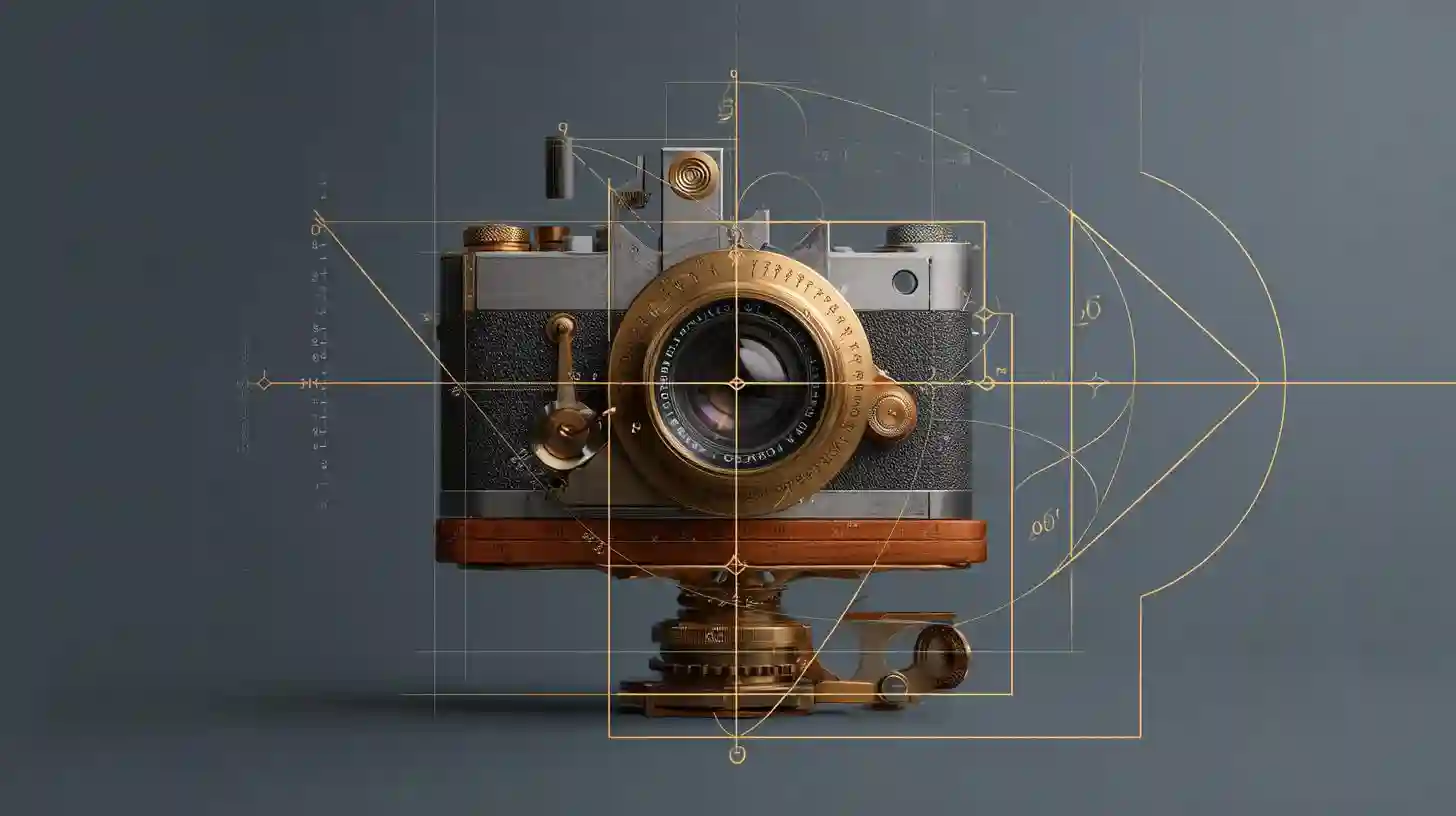
Mastering the art of shooting in photography involves more than simply pointing your camera and clicking the shutter. It is about understanding the technical aspects of your camera, learning how to compose a captivating image, and developing a unique creative vision. Photography is both an art and a science, where each shot tells a story or captures a moment in time. As a photographer, refining your skills and developing a deeper understanding of the medium will allow you to elevate your work and create images that resonate with viewers.
To start, it is essential to familiarize yourself with the different settings and features of your camera. Whether you're using a DSLR, mirrorless, or even a smartphone, every camera has key settings that influence the final image. These settings include aperture, shutter speed, ISO, and focus. Aperture controls the amount of light that enters the camera, affecting the depth of field in your images. A larger aperture (lower f-number) creates a shallow depth of field, blurring the background and making the subject stand out. On the other hand, a smaller aperture (higher f-number) results in a wider depth of field, keeping more of the scene in focus.
Shutter speed is another critical component. It determines how long the camera’s sensor is exposed to light, which directly impacts the motion in your photographs. A fast shutter speed freezes fast-moving subjects, while a slow shutter speed captures motion, creating a sense of movement and dynamism. Understanding how to balance shutter speed with other settings is vital in capturing the desired effect. ISO, which controls the camera’s sensitivity to light, is equally important. While higher ISO values allow you to shoot in low-light conditions, they can also introduce noise or grain to your images. Striking the right balance between ISO, aperture, and shutter speed is crucial for mastering exposure.
Once you have a solid grasp of the technical aspects, the next step is composition. A well-composed photograph is visually engaging and leads the viewer’s eye to the intended subject. One of the foundational rules of composition is the rule of thirds. Imagine dividing your frame into a 3x3 grid. Placing your subject along one of these lines or at their intersections creates a more balanced and dynamic composition than simply centering the subject in the middle. This technique helps to draw the viewer’s attention naturally and adds depth to the image.
Another important compositional tool is leading lines. These are lines within the scene, such as roads, rivers, or buildings, that lead the viewer’s eye toward the focal point. They create a sense of depth and perspective, giving your image a three-dimensional feel. Similarly, framing elements like windows, doorways, or overhanging branches can provide a natural frame around your subject, making the image feel more intimate and focused.
Lighting is one of the most influential aspects of photography. The quality and direction of light can transform a simple scene into a compelling photograph. Natural light, especially during the golden hours of sunrise and sunset, has a warm, soft quality that can enhance the mood of your photos. In contrast, harsh midday sunlight can create strong contrasts and deep shadows, which may be useful for certain types of photography but could be challenging for others. Understanding how to use light to your advantage is key to creating stunning images.
In addition to natural light, artificial lighting can also be a powerful tool. External flashes, reflectors, and diffusers give you more control over how the light falls on your subject. Studio lighting setups, such as three-point lighting, allow you to highlight specific areas of your subject while casting shadows to add depth. Learning how to manipulate light through these tools can elevate your portraits and still life images, allowing you to achieve a professional level of control over the final result.
Equally important is the ability to post-process your images. Digital editing is an essential part of modern photography. While it’s important to get the shot right in-camera, post-processing software like Lightroom and Photoshop allows you to fine-tune your images, adjusting exposure, contrast, color balance, and sharpness. Post-processing also gives you the freedom to explore creative effects, such as black and white conversion, selective color adjustments, and adding textures or overlays. Mastering editing techniques can turn a good photo into a great one by bringing out the full potential of the image.
Another significant aspect of mastering photography is developing your unique style. As you gain more experience, you'll begin to notice patterns in the types of images you enjoy capturing and editing. Some photographers are drawn to portraiture, while others prefer landscapes or street photography. Regardless of the genre, your personal style will emerge through the way you compose your shots, use light, and process your images. Identifying what inspires you and cultivating a signature style will set you apart and help you develop a more cohesive portfolio.
Finally, practice is the key to improvement. The more you shoot, the more you will learn about your camera, your subject matter, and your own artistic preferences. Don’t be afraid to experiment with new techniques, try different perspectives, and explore various genres of photography. Each photograph is an opportunity to learn and grow as a photographer, so embrace the process of trial and error.
Ultimately, mastering the art of shooting in photography is a journey that combines technical skill with creative vision. By continuously honing your technical knowledge, perfecting your compositional techniques, experimenting with light, and finding your personal style, you will steadily elevate your photography and create images that are both meaningful and visually stunning.