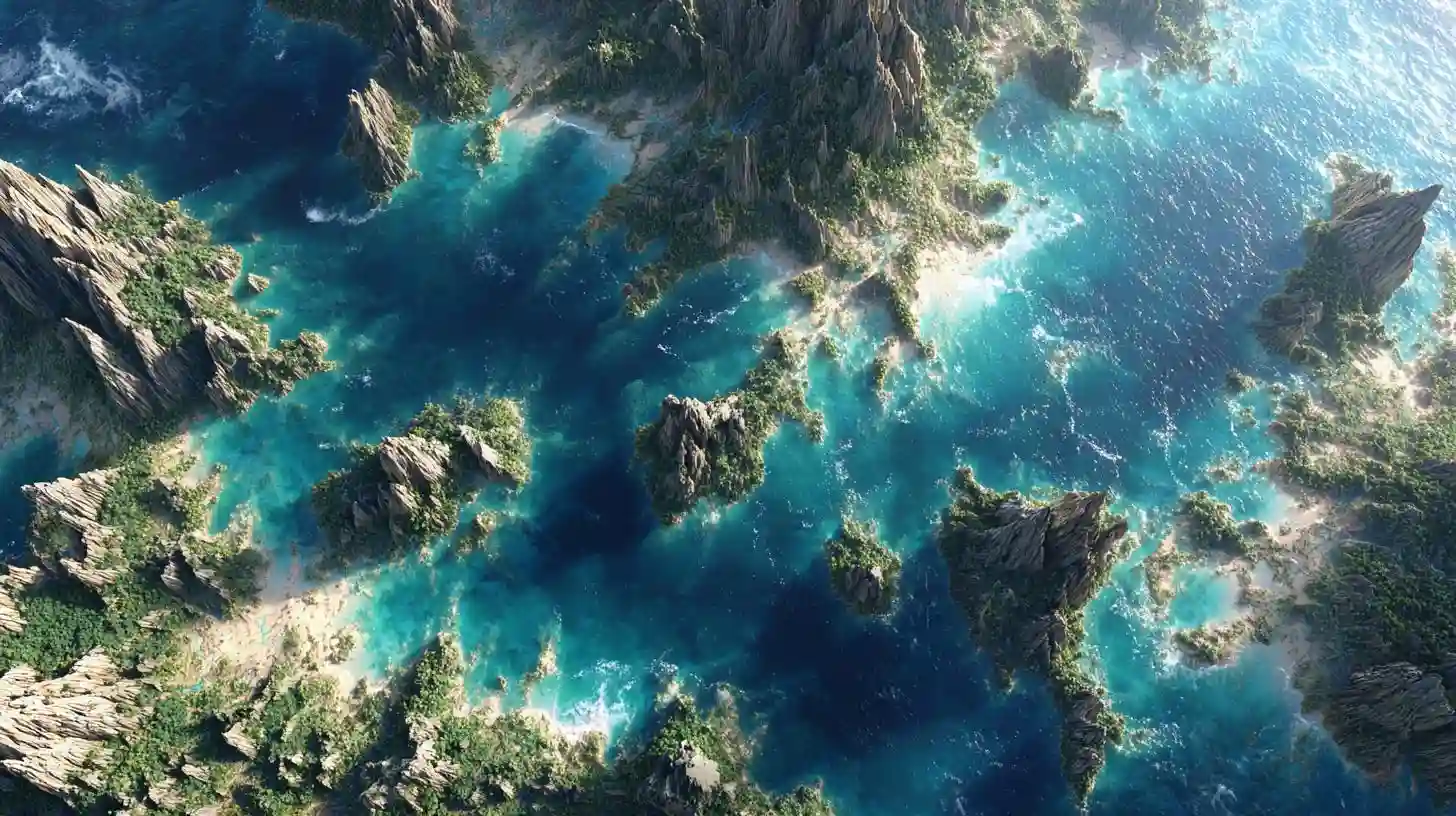
Ocean currents play a crucial role in shaping the unique ecosystems of islands around the world. These currents, which are large-scale movements of ocean water driven by factors such as wind, temperature differences, and the Earth's rotation, transport nutrients, heat, and energy across vast distances. This dynamic process influences the climate, biodiversity, and the physical environment of islands, making each island’s ecosystem a product of both its geography and the oceans that surround it.
As ocean currents move across the globe, they bring essential nutrients from the deep waters to the surface. These nutrients are vital for the growth of phytoplankton, the foundation of the marine food web. The upwelling of nutrient-rich waters near islands supports dense populations of plankton, which in turn sustain a variety of marine life, from small fish to large marine mammals. For islands located near major ocean currents, such as the currents found in the Pacific and Atlantic Oceans, the surrounding waters teem with an abundance of life. Islands like the Galápagos or the Hawaiian Islands are particularly notable for their rich marine biodiversity, all influenced by the constant movement of ocean water around them.
On the flip side, islands that are situated in areas where ocean currents are weaker or where water movement is slower can have very different ecosystems. These locations often experience limited nutrient exchange, which can lead to less productive waters. However, these regions can still support unique ecosystems adapted to the specific conditions. Coral reefs, for instance, thrive in tropical island waters where warm, stable currents provide ideal conditions for coral growth. In these areas, the coral reefs themselves become the heart of the ecosystem, providing habitats for a myriad of species. The gentle, consistent movement of warm currents around these islands helps maintain the delicate balance of temperature and salinity that coral reefs need to survive.
Ocean currents also impact the climate of islands, creating microclimates that influence the types of plants and animals that can live there. Islands located in the path of warm ocean currents often have tropical or subtropical climates, with lush vegetation and diverse wildlife. In contrast, islands that are influenced by colder currents, such as those in the Southern Ocean, experience cooler temperatures and more temperate ecosystems. For example, the waters surrounding the Falkland Islands are significantly cooler due to the influence of the Antarctic Circumpolar Current, which shapes the colder, nutrient-rich waters that surround the islands. The cooler temperatures lead to a different set of species being found on these islands, including large populations of seabirds, penguins, and seals.
These shifts in climate also affect the flora of islands. Warm ocean currents encourage the growth of tropical and subtropical plant species, which provide shelter and food for the island’s animal life. The Hawaiian Islands, due to their exposure to the North Pacific Current, boast a wide variety of endemic plant species that are found nowhere else in the world. Conversely, colder currents can create environments that support hardy, cold-tolerant plant life, such as the island vegetation found in the Faroe Islands, where the North Atlantic Current helps regulate the temperature to allow for specific types of moss, grasses, and other vegetation.
Another critical aspect of how ocean currents shape island ecosystems is their role in the migration patterns of marine species. Many marine animals, including fish, turtles, and whales, rely on specific ocean currents for seasonal migrations. These currents can guide species to breeding grounds, feeding areas, or warmer waters during colder seasons. For instance, the famous migrations of humpback whales from Alaska to Hawaii are influenced by ocean currents that help them navigate the vast distances. These migrations also impact the ecosystems of islands they visit, as the arrival of large groups of whales and other migratory species can bring nutrients to local waters, benefiting the surrounding marine life.
In addition to their biological effects, ocean currents can also have physical effects on island ecosystems. Strong currents can shape the coastline by eroding shorelines, creating natural harbors, and forming coral reefs. On the other hand, slow-moving currents might lead to the accumulation of sandbars or sediment deposits around islands. These changes in the physical environment can affect the habitats available for various species, influencing both the terrestrial and marine ecosystems.
The interaction between ocean currents and island ecosystems is a dynamic and ever-changing process. As climate patterns shift and ocean currents evolve in response to global warming, these ecosystems will continue to face new challenges. The changing strength and direction of currents could lead to alterations in biodiversity, climate, and the availability of resources, potentially affecting the delicate balance that exists between the island environments and the ocean. For scientists, understanding the complex relationship between ocean currents and island ecosystems is vital for conservation efforts, as it can help predict the effects of environmental changes and guide the protection of these unique and often fragile habitats.