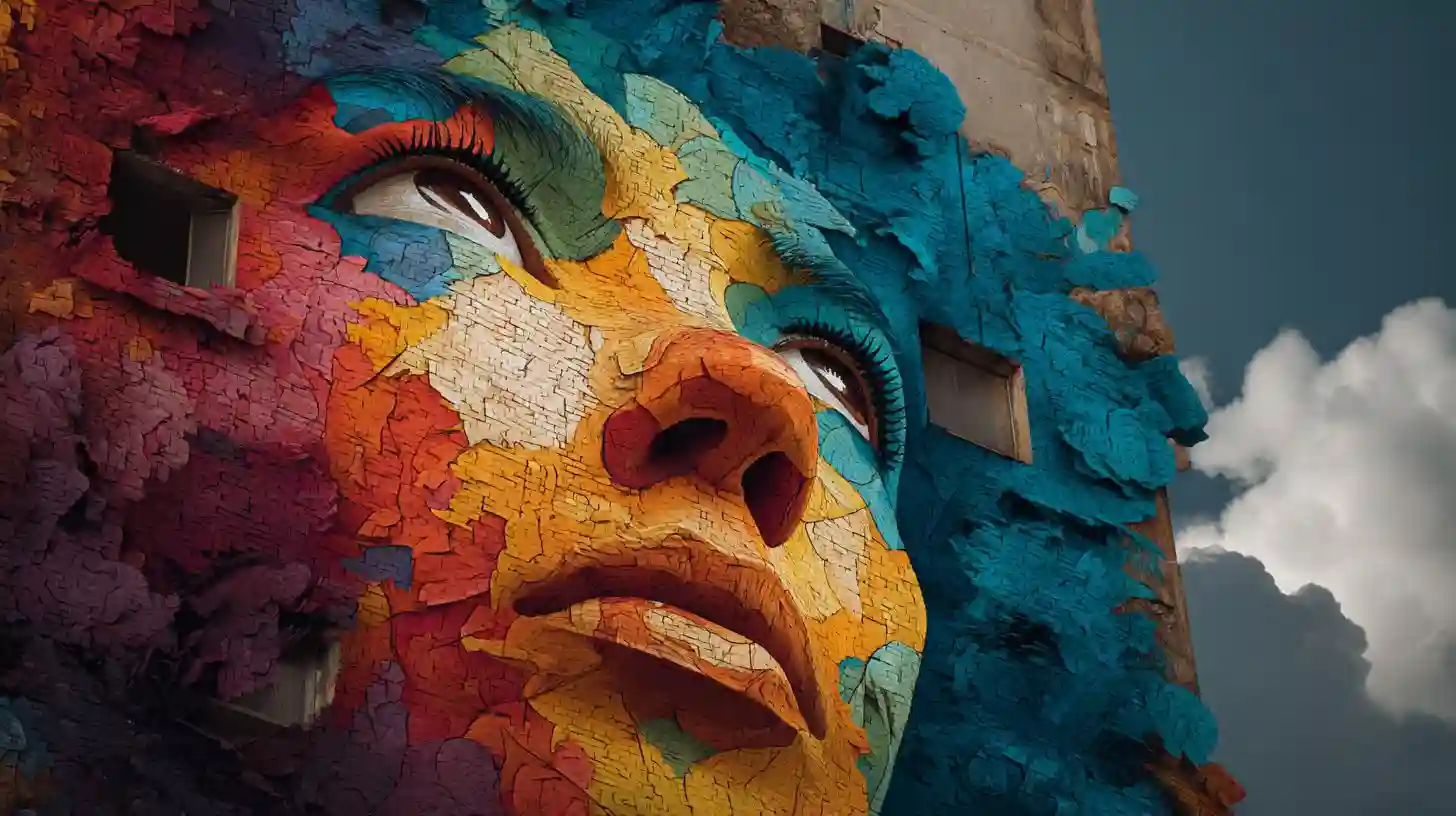
Creating a stunning mural is a rewarding and impactful way to transform any space, whether it’s an interior wall or an exterior façade. The process of painting a mural is a combination of artistic expression, technical skill, and careful planning. To achieve a professional result, understanding the steps involved, from preparation to the final touches, is essential. The following expert advice will guide you through the key stages of mural painting, ensuring your work of art captures the imagination of all who see it.
Before you begin, it’s crucial to assess the surface you plan to paint on. Murals are often painted on large walls, and the condition of the surface can significantly affect the outcome. A smooth, clean surface is ideal for mural painting. If the wall has cracks, stains, or rough patches, these should be addressed beforehand. Start by cleaning the wall thoroughly to remove dirt, dust, and any grease that might interfere with the paint’s adhesion. If necessary, fill in any holes or cracks with filler, and sand the area until it’s smooth. For exterior walls, check for moisture issues or peeling paint, as these can lead to poor paint adhesion and premature wear of your mural.
Once the wall is prepped and ready, it's time to choose your materials. Selecting the right paints is crucial for a long-lasting, vibrant mural. Acrylic paints are a popular choice for muralists because of their versatility, fast drying time, and ability to withstand outdoor conditions. For murals that will be exposed to the elements, it’s important to use high-quality outdoor acrylics, which are designed to be weather-resistant and UV-stable. Paints should also be chosen based on the colors you envision for your mural, keeping in mind the lighting conditions of the space. Bright colors may appear differently in different lighting, so it’s a good idea to test your colors before starting.
The next step is sketching your design on the wall. This stage allows you to visualize how your mural will look in its full size and make adjustments if needed. Depending on the complexity of your design, you may choose to grid the wall or project the image onto the surface. If you’re working on a larger mural, gridding can help you break the design down into manageable sections. Alternatively, you can use a projector to project your design onto the wall, allowing you to trace the outline. This method can save a lot of time and ensures that your design remains accurate throughout the process.
Once the outline is complete, it’s time to start painting. Begin by blocking in the large areas of color, which will give your mural a base layer and help define the overall composition. This is the stage where you focus on getting the shapes and color fields in place, without worrying too much about the finer details. Use large brushes and paint rollers to cover the surface quickly, but don’t forget to pay attention to the edges and the overall flow of your design. For murals with a lot of detail, it’s helpful to break the process down into layers, building up color and texture gradually. Once the base layers are complete, you can begin working on the smaller elements, such as shading, textures, and finer details.
The key to a successful mural is layering. The first layer of paint should serve as a foundation for the subsequent layers. Each additional layer of paint adds depth and dimension to the mural, helping to bring your design to life. Be patient during this process, as it may take several layers of paint to achieve the desired effect. For areas that require blending, take the time to work with wet paint to create smooth transitions. To add texture or enhance specific areas, you can use techniques like dry brushing, stippling, or sponging.
As your mural begins to take shape, it’s important to step back periodically and assess the overall composition. This gives you the opportunity to make adjustments and ensure that the mural flows well and is visually balanced. Don’t be afraid to make changes as you go along, as sometimes the best ideas come in the midst of the painting process. If possible, take photos of your mural at different stages to track your progress and notice any areas that might need refining.
Once your mural is fully painted, it’s time to protect it. Applying a clear acrylic sealer is essential for preserving the longevity of your mural. A sealer will protect the paint from dirt, moisture, and UV rays, ensuring that the colors remain vibrant and the surface remains intact. Be sure to select a sealer that is compatible with the type of paint you’ve used, and apply it according to the manufacturer’s instructions. In addition to the sealer, if your mural is located outdoors, you may need to apply a protective coating specifically designed for exterior murals. These coatings are more durable and provide additional protection against harsh weather conditions.
Finally, when your mural is complete and sealed, it’s time to enjoy the finished product. Step back and admire your work, knowing that you’ve created something that will inspire and captivate others for years to come. Whether it’s a large-scale mural in a public space or a small design on a private wall, the process of mural painting is an opportunity to make a meaningful contribution to the environment and showcase your creativity.