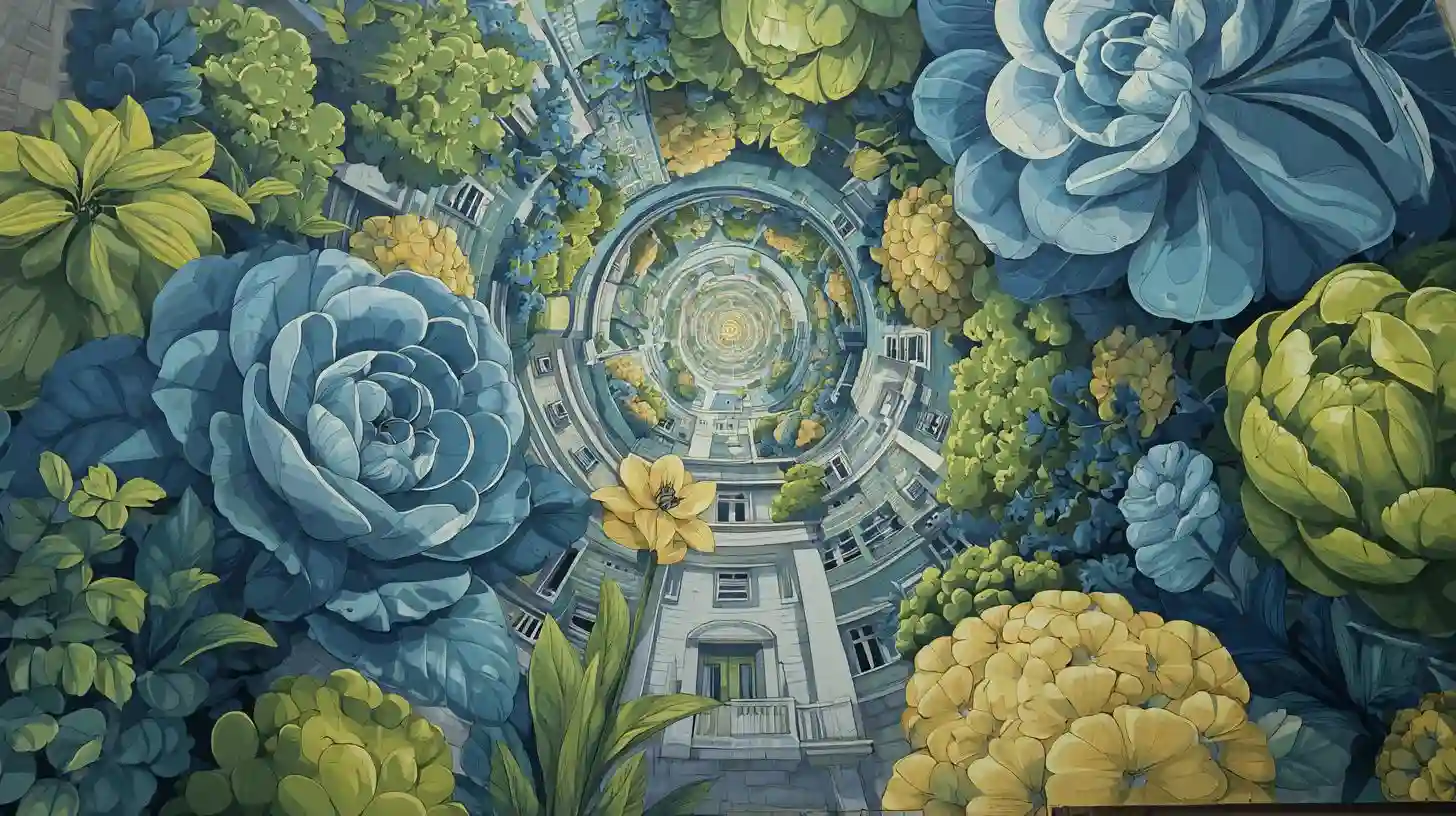
Painting a mural is a powerful way to transform a space, breathe life into a blank wall, and create something meaningful. It combines artistic expression with craftsmanship and a deep understanding of scale, technique, and composition. The process of creating a mural may seem daunting, but with the right approach and expert advice, it becomes a rewarding and creative endeavor. Whether you are a seasoned artist or a beginner, there are essential steps that can guide you toward successfully creating a mural that captivates and engages.
One of the first steps in painting a mural is preparation. Before picking up a brush, it is vital to thoroughly plan the design. Consider the space where the mural will be placed and think about how it will interact with its surroundings. Is the mural meant to be the focal point of a room, or will it complement the existing architecture? Take measurements of the wall to understand the scale you are working with, and sketch out your design on paper. Some artists prefer to use digital tools to visualize how their mural will look in the space. This allows you to play with colors, shapes, and composition before committing to a final design.
Once you have your design, the next crucial step is surface preparation. Properly prepping the wall is essential to ensure that the paint adheres well and lasts over time. Start by cleaning the wall to remove dirt, dust, and debris. If the wall has any imperfections, such as cracks or holes, patch them up and sand the surface smooth. Depending on the surface type, you may need to apply a coat of primer. A good primer helps the paint to adhere better and provides a more even base for your mural. Make sure the primer is dry before moving on to the next step.
The next decision to make is which type of paint to use. For indoor murals, acrylic paints are a popular choice. They are versatile, quick-drying, and can be used on a variety of surfaces, including drywall, wood, and plaster. For outdoor murals, however, weather-resistant paints such as exterior latex or enamel are more suitable. These paints are designed to withstand exposure to the elements, ensuring the mural remains vibrant for years. It is important to choose high-quality paints to ensure longevity and color retention, especially if the mural will be exposed to sunlight or harsh weather conditions.
Once your surface is ready and your paint is chosen, it's time to transfer your design to the wall. For larger murals, artists often use the grid method. This involves dividing your design into smaller sections using a grid on both your sketch and the wall. This technique allows you to scale up your design accurately and maintain the proportions of the original artwork. Another method is using projectors, which can project your design directly onto the wall, making it easier to trace and enlarge. Both methods have their pros and cons, but the goal is to get the design onto the wall in a way that helps you stay consistent and precise throughout the painting process.
With your design in place, the next phase is painting. It’s important to start with the larger, background areas first, using broad strokes and filling in the general shapes and colors. This approach allows you to work from the background forward, making it easier to layer details on top later. Use larger brushes for these broad strokes and reserve smaller brushes for finer details. Be patient and don’t rush through this phase, as layering and building up color can take time. It's also helpful to step back periodically to assess the progress and ensure the mural is coming together as intended. Small adjustments made during the painting process can make a huge difference in the final outcome.
As you begin adding more details, focus on the finer aspects of the mural, such as shading, highlights, and texture. These details bring the mural to life and create depth and dimension. Experiment with different techniques, like dry brushing or layering translucent washes of paint, to add richness to your artwork. Don’t be afraid to make adjustments along the way – murals are living pieces of art that evolve as you work on them.
Once the painting is complete, it’s important to protect the mural. This is especially important for outdoor murals, which will be exposed to the elements. Applying a protective clear coat or varnish will help preserve the colors and prevent fading. Choose a varnish that is specifically designed for murals and check whether it is glossy, matte, or satin, depending on the effect you want to achieve. It’s also worth considering the type of finish that will protect the mural from dirt and graffiti, particularly for public spaces.
Finally, take time to enjoy your work and the impact it has on the space. Murals are more than just paintings – they are statements that reflect the artist's vision, the history of a place, or a community’s identity. A mural can transform a mundane wall into something that evokes emotions, tells a story, and invites viewers to pause and appreciate the beauty in their surroundings. Whether you’re painting a mural for personal enjoyment or as part of a public project, the process is an opportunity to express your creativity, connect with others, and leave a lasting mark on the world around you.