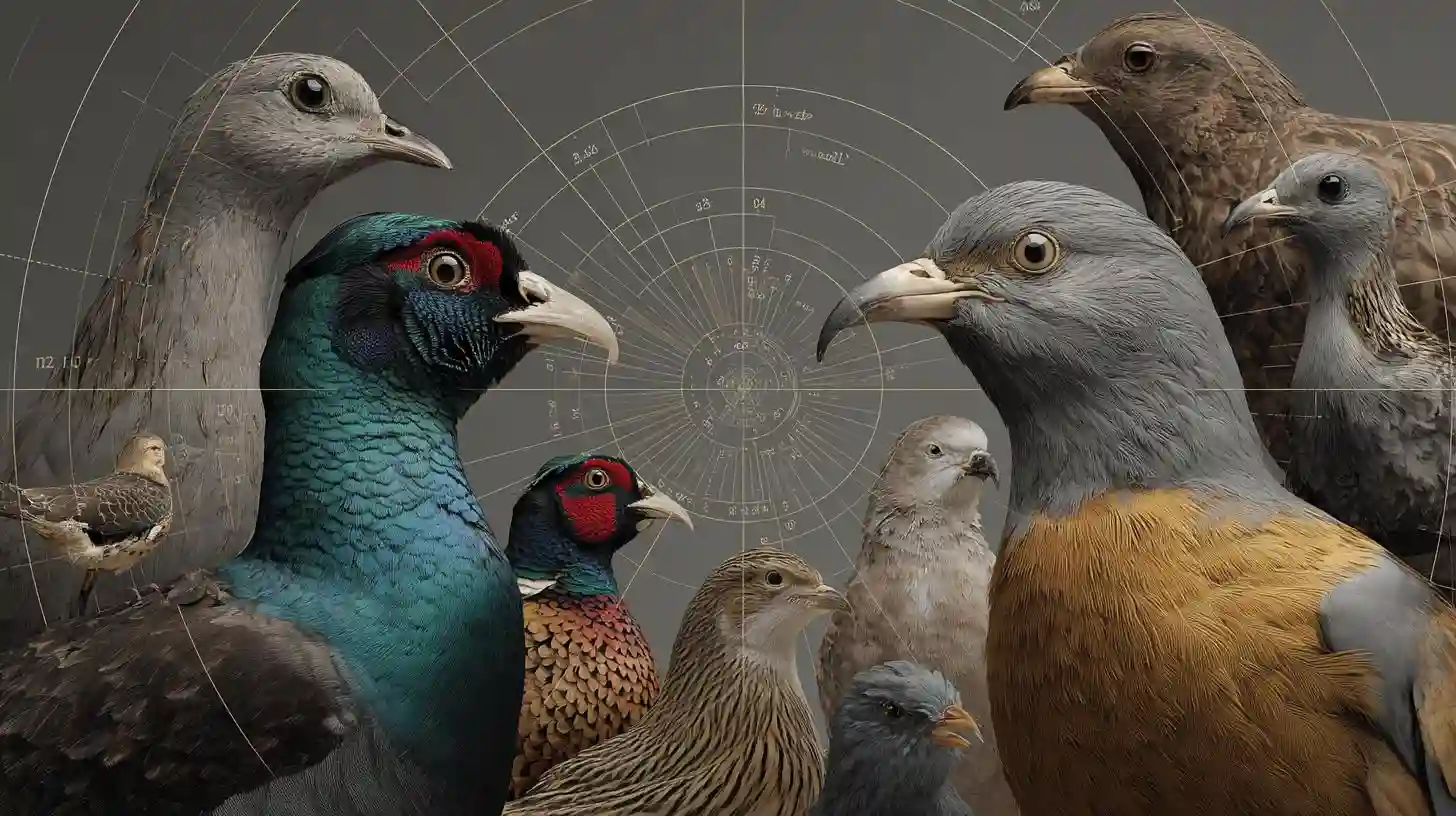
Birds, with their vibrant plumage, songs, and remarkable migration patterns, have always captivated human curiosity. While scientists have long sought to understand the behavior, biology, and ecological roles of birds, recent advancements in technology and research methodologies have provided fresh insights into their mysterious lives. These new discoveries are transforming the way we perceive avian creatures, revealing their complex social structures, cognitive abilities, and even their emotional lives. One of the most groundbreaking revelations comes from studies that suggest birds possess a level of intelligence previously underestimated. Researchers have observed that some species, particularly crows and parrots, exhibit problem-solving abilities on par with those of primates. These birds can use tools, recognize themselves in mirrors, and even plan for the future. Crows, in particular, have shown an ability to understand cause-and-effect relationships, a cognitive skill once thought to be exclusive to humans and a few other animals. Similarly, parrots, known for their ability to mimic human speech, have demonstrated advanced understanding of syntax and context, suggesting that their cognitive capacities may be far more intricate than previously believed. These findings challenge long-held assumptions about animal intelligence and invite further investigation into the cognitive worlds of other bird species. In addition to intelligence, the emotional lives of birds are also becoming a subject of intense study. Birds, it turns out, experience a wide range of emotions, including joy, affection, and even grief. Observations of mourning behaviors in certain species, such as the way some birds react to the death of a mate or a member of their flock, suggest that they may have a deep emotional connection with each other. These behaviors mirror those seen in more socially complex animals, like elephants and certain primates. Birds have long been known for their remarkable migratory feats, but new research is unveiling even more surprising aspects of their journeys. For instance, some migratory birds are now known to use the Earth’s magnetic field for navigation. Recent studies have shown that birds can sense the Earth's magnetic field through a protein in their eyes, which allows them to orient themselves accurately over vast distances. This discovery has led to new questions about how birds process and interpret environmental cues. Additionally, it has sparked interest in the possibility that birds can also detect other types of energy fields, such as electric and gravitational fields, further deepening the mystery of their navigation skills. Another exciting development in avian research involves the study of bird communication. For years, scientists believed that birdsong was primarily used for mate attraction or territorial defense. While these are still key functions, new research has uncovered that birds also use their songs to convey a wider range of messages. Some species, such as the European starling, are able to learn new songs throughout their lives, suggesting a high degree of flexibility in their communication methods. This finding has led researchers to speculate that birds may have a more sophisticated vocal culture than previously thought, with different populations developing unique regional dialects. The structure of bird societies is also receiving more attention. Birds have long been seen as solitary or loosely social creatures, but a closer look at species like the raven, the swallow, and the wild turkey reveals highly organized social structures that rival those of some mammals. These birds often form tight-knit communities, cooperating to raise young, protect each other from predators, and even engage in cooperative hunting. Such complex social behavior has led scientists to consider the role of birds in ecosystems not just as individuals but as part of intricate, interdependent networks. Furthermore, the effects of human activity on birds have become a critical area of study. Researchers are increasingly focused on how environmental changes, habitat destruction, and climate change are influencing bird populations. Many species are facing threats from deforestation, pollution, and changes in migratory patterns due to shifting weather conditions. The loss of habitats and food sources is pushing certain bird species to adapt in novel ways or face extinction. At the same time, conservationists are exploring new strategies to protect birds and their habitats. These efforts include the use of technology to track bird movements, the creation of bird-friendly urban spaces, and the restoration of natural habitats to ensure that bird populations thrive in a changing world. One particularly promising development is the use of artificial intelligence to study bird behavior. Machine learning algorithms are being employed to analyze vast amounts of data collected from bird trackers, cameras, and sound recordings. This technology allows scientists to monitor birds in real-time and gain insights into their behavior, migration routes, and interactions. It also helps researchers track the impact of environmental factors on bird populations and better understand the challenges they face. The ever-expanding body of knowledge about birds is shifting our perspective on these creatures. As we continue to uncover the mysteries of their intelligence, emotions, and social behaviors, we are reminded of how much we have yet to learn about the animal kingdom. Birds, once viewed as simple creatures, are now recognized as complex beings with rich inner lives, intricate social structures, and remarkable abilities. This new understanding not only deepens our appreciation for birds but also underscores the importance of protecting these fascinating creatures and the ecosystems they inhabit.