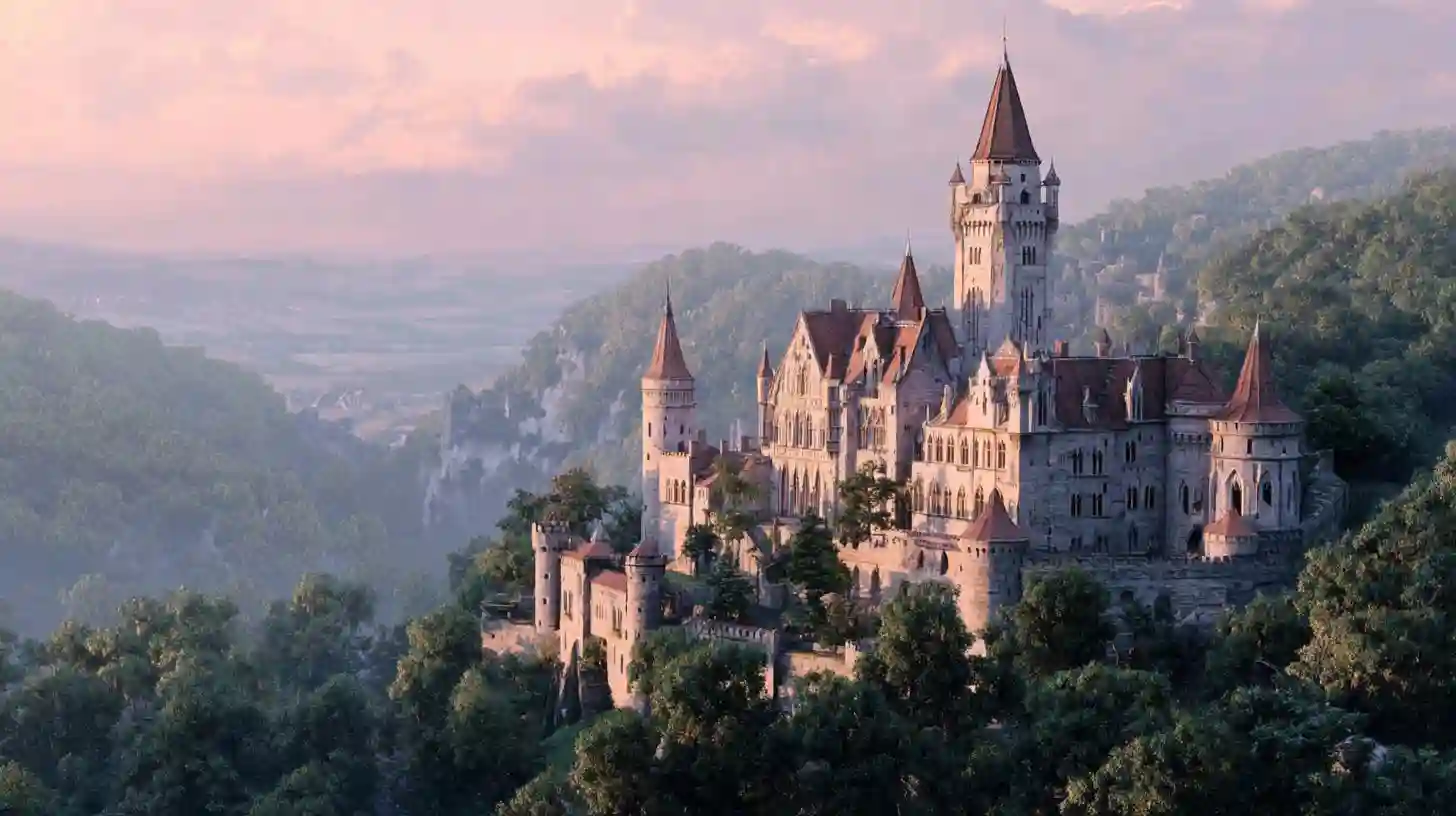
Europe's castles are a testament to centuries of history, art, and architecture. These magnificent structures, often perched on hills or nestled in picturesque landscapes, evoke a sense of wonder and awe. The intricate designs, imposing walls, and opulent interiors reflect the grandeur of the past and serve as symbols of power, royalty, and resilience. From the rolling hills of Scotland to the sun-kissed plains of Spain, Europe's castles stand as silent witnesses to the passage of time, each with its own story to tell.
One of the most striking features of European castles is their architectural diversity. Each region has developed its unique style, blending local traditions with influences from various periods in history. The castles of France, for example, showcase the elegance of Renaissance architecture, with their symmetrical layouts, elaborate facades, and ornate decorations. Châteaux such as the famous Château de Chambord in the Loire Valley, with its sweeping staircases and harmonious proportions, embody the French mastery of design during the height of the monarchy. These castles were not just fortresses but luxurious homes for the nobility, complete with grand salons, elaborate gardens, and breathtaking views.
In Germany, the fairy-tale castles of Bavaria stand as symbols of romanticism, capturing the imagination of visitors with their whimsical towers and picturesque settings. Neuschwanstein Castle, one of the most famous castles in the world, is a masterpiece of the 19th century, designed to evoke the medieval knightly tradition. With its fairy-tale appearance and dramatic mountain backdrop, Neuschwanstein is a striking example of the imaginative approach to castle design during the Romantic era. The intricate details of the castle's interiors, including painted ceilings, golden chandeliers, and plush furnishings, provide a glimpse into the luxurious world of the Bavarian royals.
Moving to the British Isles, Scotland’s castles exude an air of mystery and medieval charm. The rugged landscapes and remote locations of many of these castles tell the story of the country’s turbulent past. Edinburgh Castle, sitting atop an extinct volcanic hill, dominates the city’s skyline. The castle's history dates back to the early medieval period, and its fortress-like appearance reflects the strategic importance it held throughout Scottish history. Inside, visitors can explore royal chambers, ancient military quarters, and a wealth of artifacts that reveal the castle's long-standing significance in Scottish culture. Similarly, Stirling Castle, with its grand halls and royal chambers, showcases the power and influence of Scotland’s kings and queens during the Renaissance.
In Spain, the castles tell a different story, often influenced by the country's Islamic heritage. The Alhambra in Granada, with its stunning Moorish architecture, is one of the most famous castles in Europe. Known for its intricate tilework, delicate arches, and serene courtyards, the Alhambra is a masterpiece of Islamic design, blending functionality with beauty. The lush gardens and flowing water features add a sense of tranquility, reflecting the Islamic appreciation for nature and the concept of paradise. The castle's ornate interiors, including the Hall of the Ambassadors with its delicate stucco work, demonstrate the intricate craftsmanship of the period.
Italy's castles, too, reveal the rich history and cultural heritage of the country. The Castello Sforzesco in Milan, built in the 15th century, was once the residence of the powerful Sforza family. Its imposing walls and square towers served as a fortress to protect Milan from invaders, while its elegant courtyards and lavish interiors reflect the opulence of Renaissance Italy. The castle houses a vast collection of art and historical artifacts, making it an essential stop for visitors interested in both history and art.
The evolution of European castles from fortresses to symbols of wealth and power is reflected in their architectural styles and the changes in their function over time. Originally built for defense, many castles were later transformed into palatial homes for monarchs and nobility. The transition from the utilitarian designs of early castles to the luxurious, ornamental structures of later periods highlights the changing priorities of European aristocracy. These castles were not only military strongholds but also centers of culture and art, housing collections of paintings, sculptures, and tapestries that demonstrated the wealth and sophistication of their owners.
Despite their architectural beauty and grandeur, many of Europe’s castles also served as important political centers, where decisions that shaped the course of history were made. The halls of these castles echoed with the voices of kings and queens, military commanders, and ambassadors, all of whom played a part in shaping the continent’s destiny. Today, these castles serve as museums and tourist attractions, allowing visitors to step back in time and experience the lives of the people who once resided within their walls.
The art and architecture of Europe’s castles are not just a celebration of historical grandeur but also a reminder of the resilience and enduring beauty of these structures. Many castles have withstood the test of time, surviving wars, natural disasters, and the passage of centuries. They continue to inspire wonder and admiration, serving as symbols of Europe’s rich cultural heritage. Whether standing proudly on a hilltop, nestled in a valley, or perched along the coast, these castles are a testament to the artistic and architectural achievements of the past.