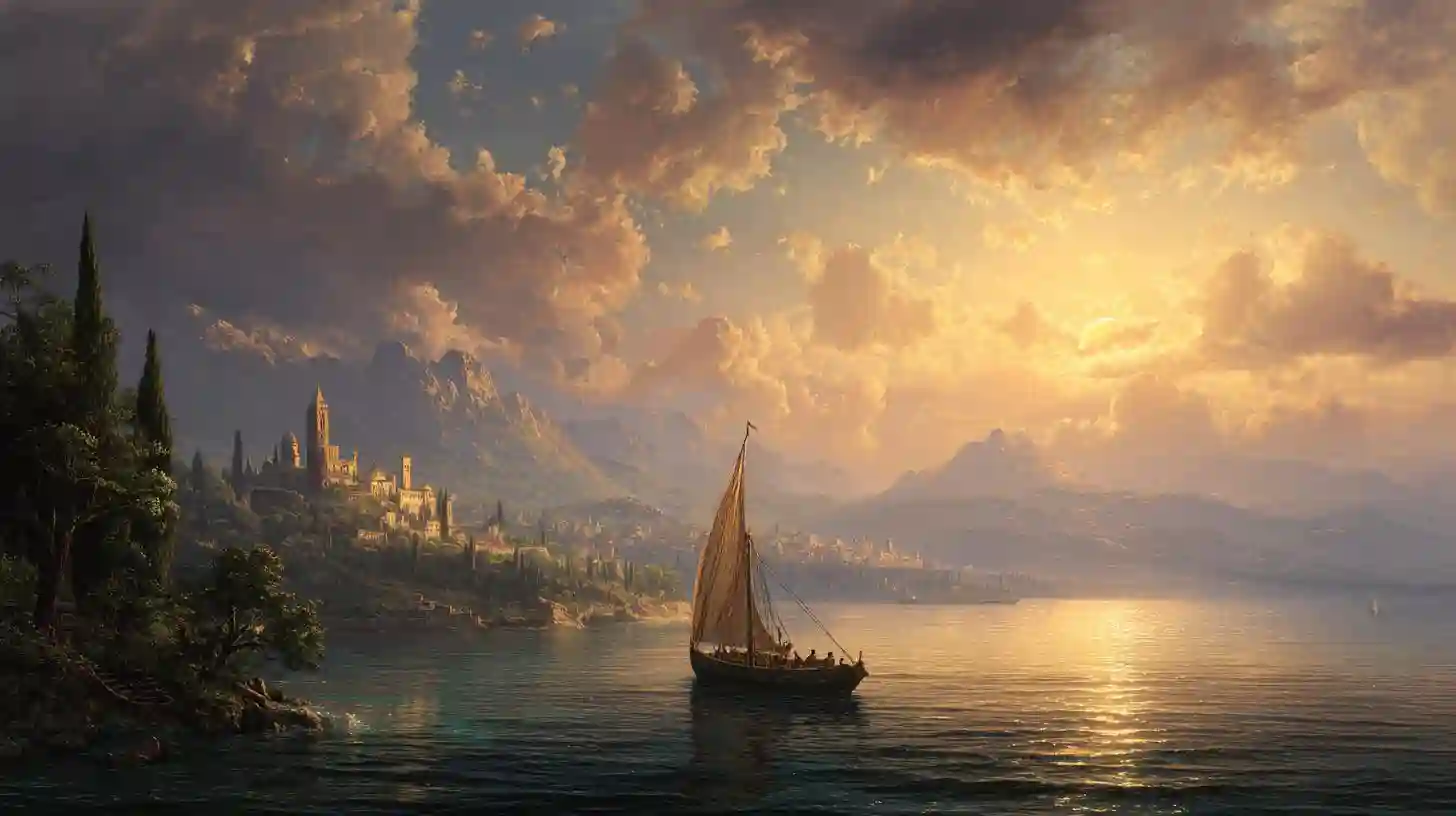
Art has the power to transcend time, culture, and language, making it a universal expression of human experience. Throughout history, there have been countless masterpieces that have defined the trajectory of art, influencing generations of artists and viewers alike. Some paintings have achieved such iconic status that they have become symbols of entire eras, movements, or philosophies. These works often embody a deep connection between the artist and the world, capturing moments of profound significance that echo through time. From the Renaissance to modernity, these masterpieces continue to inspire awe and admiration across the globe.
One such masterpiece is Leonardo da Vinci's *Mona Lisa*, perhaps the most famous painting in the world. This portrait of an enigmatic woman with a subtle smile has captivated viewers for centuries. Its composition, the delicate sfumato technique, and the mysterious expression on the subject's face have made it an object of endless interpretation. Housed in the Louvre Museum in Paris, the *Mona Lisa* stands as a testament to Da Vinci's genius, embodying the Renaissance ideals of harmony and balance while leaving a sense of mystery that continues to intrigue audiences.
Another iconic painting that has shaped the course of Western art is Vincent van Gogh's *Starry Night*. This swirling, vibrant depiction of the night sky over a small village is not just a landscape but a representation of the artist's emotional turmoil and intense inner world. The bold brushstrokes and vivid colors capture a sense of movement and energy, creating a scene that seems both fantastical and deeply personal. *Starry Night* reflects van Gogh's struggle with mental health, offering viewers a glimpse into the turbulent mind of one of the most influential figures in post-impressionism.
In the realm of religious art, Michelangelo's *The Creation of Adam* stands as a monumental example of human achievement. Located on the ceiling of the Sistine Chapel, this fresco depicts the moment when God reaches out to touch the finger of Adam, imparting the spark of life. The composition is a masterful balance of form, light, and space, with each figure rendered in such a way that it seems to possess both physical power and divine grace. Michelangelo's work captures not only the biblical narrative but also the humanist ideals of the Renaissance, emphasizing the connection between humanity and the divine.
A painting that has come to symbolize both the American experience and the power of resilience is Grant Wood's *American Gothic*. This 1930 portrait of a stoic farmer and his daughter standing in front of a simple rural house became an emblem of the Great Depression era in the United States. The piercing gaze of the subjects, coupled with the austere simplicity of the background, offers a commentary on the values of hard work, endurance, and the strength of the American spirit during challenging times. Over the years, the image has been parodied and referenced in countless forms of popular culture, further cementing its place as a defining image of 20th-century American art.
Pablo Picasso’s *Guernica* is a powerful anti-war statement and one of the most recognized paintings of the 20th century. Created in response to the bombing of the Basque town of Guernica during the Spanish Civil War, this mural-sized work features a chaotic, distorted scene of suffering and devastation. The angular, cubist style and the use of monochromatic tones create an unsettling atmosphere that conveys the horrors of war and the helplessness of those caught in its wake. *Guernica* is not just a work of art; it is a call for peace and a reminder of the human cost of conflict.
Frida Kahlo's *The Two Fridas* is a deeply personal and poignant painting that explores the complexities of identity, pain, and love. This double self-portrait shows Kahlo in two different outfits, representing her dual heritage and emotional states. One Frida is dressed in traditional Mexican attire, while the other wears a European-style dress, highlighting the tensions between her Mexican roots and the Western influences that shaped her life. The raw emotion and symbolism in the painting resonate with viewers, offering a window into Kahlo's struggle with physical and emotional pain, as well as her search for self-identity.
In the world of surrealism, Salvador Dalí’s *The Persistence of Memory* stands out as an extraordinary visual representation of the fluidity of time. The melting clocks draped over trees, rocks, and other objects create an eerie, dreamlike atmosphere that challenges the viewer’s perception of reality. The painting invites a contemplation of the nature of time, memory, and human consciousness, reflecting Dalí's exploration of the unconscious mind. Its bizarre and striking imagery has made it one of the most enduring symbols of surrealist art.
One of the most famous depictions of the human figure is *David* by Michelangelo. Carved from a single block of marble, this statue represents the biblical hero David just before his battle with Goliath. The figure’s muscular form, combined with the intense gaze and poised stance, conveys both physical power and inner resolve. *David* is a prime example of the Renaissance's celebration of the human form and its belief in the potential of the individual. The statue's grace and proportion continue to be admired as a symbol of human achievement and artistic perfection.
Edvard Munch’s *The Scream* has become an enduring symbol of existential anxiety. The distorted figure, set against a turbulent sky, seems to be caught in a moment of profound psychological distress. The wavy lines of the landscape and the bold use of color convey a sense of unease, while the figure’s open mouth and hands on its cheeks evoke a feeling of helplessness. *The Scream* taps into universal human fears and emotions, becoming an iconic image of the human condition in the modern age.
Finally, *The Night Watch* by Rembrandt is a masterful example of Baroque portraiture. This large-scale painting depicts a group of civic guardsmen in Amsterdam, showcasing not only the technical brilliance of Rembrandt's use of light and shadow but also his ability to capture the personality and dynamism of each figure. The painting’s dramatic composition and intense realism make it one of the most celebrated works of art in the world. The scene's energy and movement break the traditional static nature of group portraits, setting a new standard for narrative art during the Baroque period.
These iconic paintings are more than just works of art—they are windows into the soul of human history, offering glimpses into different times, places, and cultures. Through their timeless beauty, they continue to speak to us, evoking emotions, provoking thoughts, and inspiring future generations of artists.