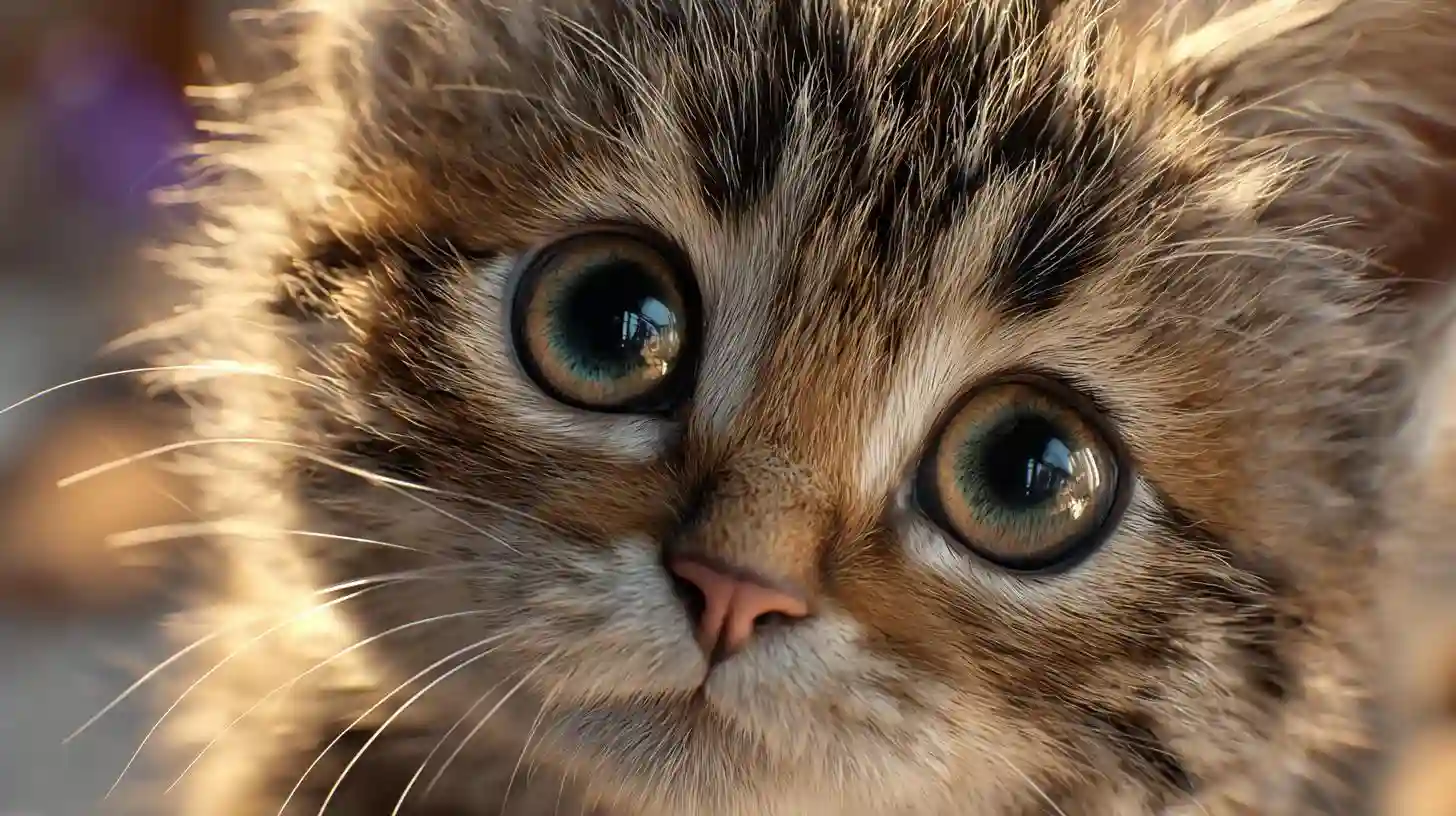
Cuteness is a universally appreciated concept, often triggering feelings of warmth, joy, and affection. From fluffy kittens to baby animals, the sight of something deemed “cute” elicits an almost instinctive response in humans. But what makes something cute? Why are certain features and behaviors universally adored, and how do these factors influence our interactions and perceptions? Unraveling the secrets behind cuteness involves a deep dive into evolutionary biology, psychology, and cultural influences. It also touches on how cuteness shapes social behaviors and relationships.
The roots of cuteness can be traced to evolutionary biology. Scientists believe that the features often associated with cuteness are biologically hardwired to evoke caregiving responses. These features, such as large eyes, small noses, and soft, rounded faces, resemble those of human infants. This resemblance triggers an automatic nurturing response, making us feel the need to protect and care for these creatures. This evolutionary adaptation is thought to have developed to ensure that adults care for their young, as these features are signals of vulnerability and need. Essentially, cuteness is a biological tool designed to prompt protective behaviors in humans and other species.
The concept of cuteness extends beyond just physical traits. Behaviors such as clumsy movements or playful antics often contribute to the perception of cuteness. For instance, a puppy stumbling over its own paws or a baby giggling at a simple game exhibits behavior that resonates with human instincts to nurture. These behaviors evoke a sense of innocence and purity, further deepening the emotional connection between humans and the object of their affection. This connection is not limited to humans either, as animals tend to have similar responses to behaviors that are perceived as endearing or harmless.
Cuteness also plays a pivotal role in social bonding and communication. The way people react to cute animals or even cute people reveals the social functions of cuteness. When humans encounter something cute, it often leads to positive emotions such as happiness, affection, and warmth. This can have a profound impact on social interactions, as people who share an appreciation for cuteness often bond over the experience. Whether it’s watching a viral video of a baby laughing or a puppy trying to play fetch, shared enjoyment of cuteness creates connections and strengthens relationships.
Interestingly, cuteness is not confined to animals or children. Over the years, it has expanded into various facets of human life. Popular culture, especially in the realms of fashion, design, and media, has adopted cuteness as a strategic tool. The "kawaii" culture in Japan, for example, has turned cuteness into a cultural phenomenon. From cartoon characters like Hello Kitty to fashion trends, cuteness has become a central aspect of Japanese aesthetics. This trend has spread globally, influencing everything from product designs to the way individuals choose to express themselves. The widespread use of cuteness in consumer culture suggests that the appeal of cuteness is not just biological but also psychological and social, shaping how we interact with the world around us.
In a world dominated by technology, cuteness has also found a place in digital spaces. The rise of social media platforms and the internet has allowed cute content to flourish. Memes, viral videos, and images of adorable animals regularly dominate our feeds, and the emotional reactions they evoke are often instantaneous. These digital representations of cuteness trigger similar brain responses to those of real-life interactions, creating feelings of happiness and well-being. The rise of influencers who specialize in posting cute content has further cemented the power of cuteness in modern society, with people actively seeking out these sources of joy.
The impact of cuteness goes beyond mere emotional responses; it has tangible effects on human behavior. Studies have shown that people who are exposed to cute images or videos often experience an increase in focus and productivity. In a study, individuals who looked at pictures of puppies or kittens performed better on cognitive tasks than those who were not exposed to cute stimuli. This phenomenon, known as the “cute effect,” is thought to occur because the positive emotional responses triggered by cuteness stimulate the brain, enhancing concentration and mood.
The influence of cuteness also extends to marketing and branding. Companies and advertisers have long recognized the power of cuteness in influencing consumer behavior. From advertising campaigns featuring adorable animals to products designed with cute features, businesses have capitalized on the emotional pull of cuteness. People are often more inclined to purchase items that feature cute designs or mascots, as they elicit a sense of pleasure and joy. The psychological effect of cuteness has thus become a valuable tool for marketers aiming to foster emotional connections with consumers.
Cuteness is also a powerful tool in human relationships. People tend to be drawn to those who possess “cute” characteristics, whether it’s a warm smile, a soft voice, or a playful demeanor. The attraction to cuteness can influence romantic relationships, friendships, and even professional dynamics. This attraction is often linked to the desire to protect or care for someone, reinforcing the deep-seated need for human connection and empathy. Cuteness fosters emotional bonds and encourages individuals to form deeper, more meaningful connections with others.
The phenomenon of cuteness is a complex and multifaceted one, shaped by biological instincts, psychological responses, cultural influences, and social dynamics. Whether it’s the innocent face of a kitten, the clumsy movements of a baby, or the playful antics of a puppy, cuteness has an undeniable power to evoke positive emotions and strengthen bonds between humans. Its widespread appeal, from viral videos to consumer products, shows how deeply ingrained the need for cuteness is in our daily lives.