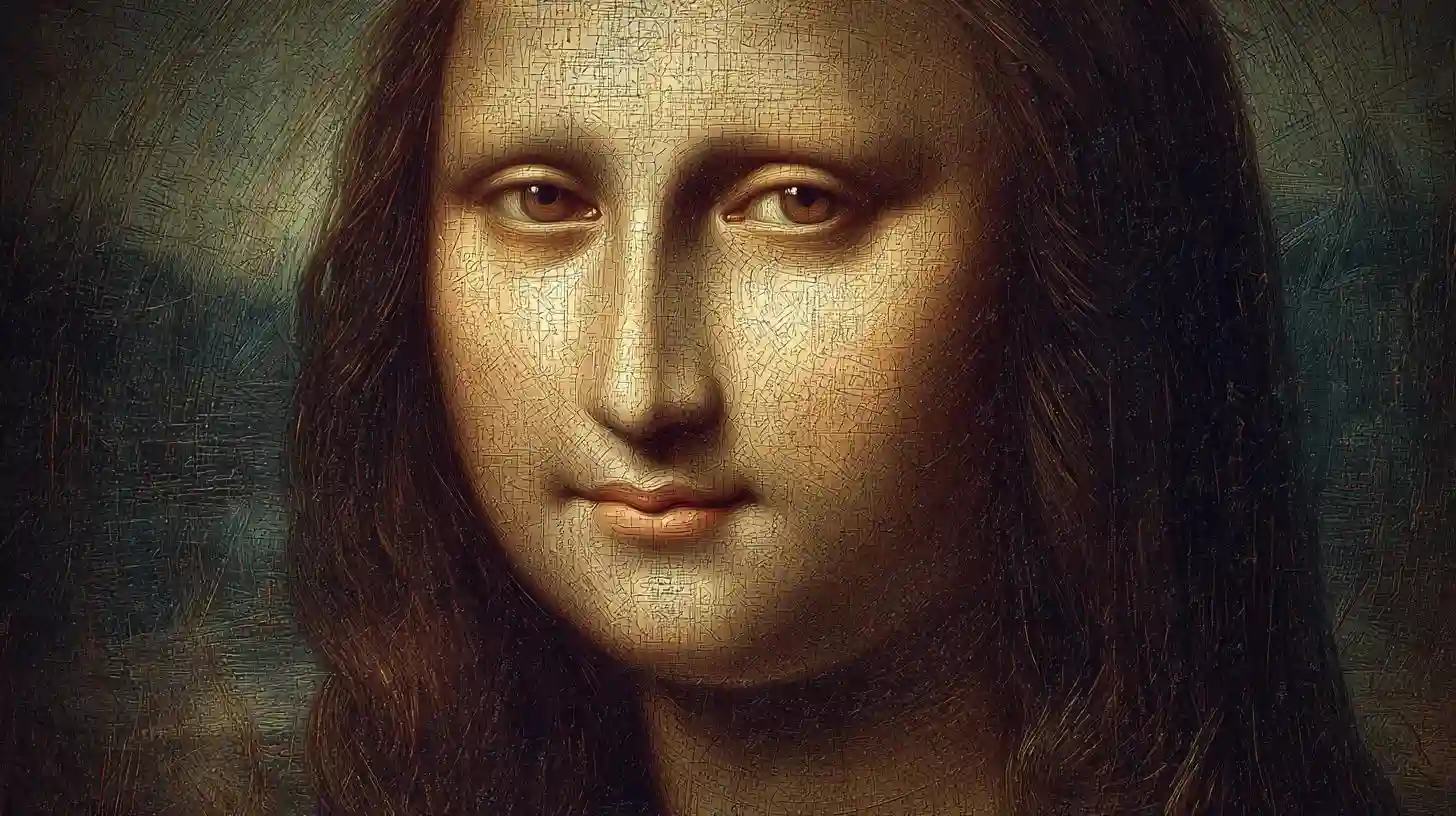
Leonardo da Vinci’s Mona Lisa has remained an unparalleled masterpiece of art for over five centuries, capturing the imagination of viewers across the world. Painted during the Renaissance, it is now housed in the Louvre Museum in Paris, where it attracts millions of visitors each year. The painting’s allure transcends time, geography, and culture, continuing to be a subject of fascination for art lovers, scholars, and casual observers alike. There is something in the Mona Lisa that draws people in, beckoning them to linger longer and contemplate its enigmatic qualities. It is this combination of mystery, technique, and historical context that gives the painting its timeless appeal.
The most striking feature of the Mona Lisa is her smile. Often described as enigmatic, it seems to change depending on the viewer’s perspective. Some people interpret it as a sign of serenity, others see a hint of mischief, and still others suggest it conveys a deeper sadness. This ambiguity is a key part of the painting’s power. Leonardo’s ability to create a facial expression that is neither fully joyful nor completely melancholic allows each observer to project their own emotions and interpretations onto the portrait. This personalized interaction with the painting makes it feel alive and dynamic, as if the woman in the painting is more than just a two-dimensional image.
Another aspect that adds to the Mona Lisa’s mystique is her gaze. She is often said to look directly at the viewer, but in reality, her eyes seem to follow you no matter where you stand in front of the painting. This phenomenon, caused by Leonardo’s masterful use of light and shadow, enhances the sense of intimacy with the viewer. It gives the impression that the woman in the painting is aware of your presence and is perhaps contemplating something about you. This connection between the viewer and the subject of the painting is something that few other works of art manage to achieve to the same extent.
The background of the Mona Lisa also adds an element of intrigue. Unlike many other portraits of the time, which featured plain or patterned backgrounds, Leonardo placed his subject in a serene landscape. The soft, almost surreal mountains in the distance seem to dissolve into the horizon, further enhancing the feeling of depth and dimensionality in the painting. The use of sfumato, a technique perfected by Leonardo, blurs the lines between light and shadow, creating a seamless transition that adds to the realism of the scene. This technique not only gives the figure a lifelike quality but also reinforces the sense of mystery in the painting. The combination of a detailed, almost photographic rendering of the subject and an ethereal, dreamlike background blurs the boundary between reality and imagination.
The identity of the woman in the painting has been a source of debate for centuries. While it is widely believed to be Lisa Gherardini, the wife of a wealthy Florentine merchant, some scholars have suggested other theories, including that she may represent an idealized woman or even a self-portrait of Leonardo himself. This uncertainty surrounding the subject of the painting adds to its mystique, encouraging further exploration and interpretation. It is precisely because of the lack of concrete answers that the painting has inspired countless theories, books, and films. The idea that the Mona Lisa might be a reflection of Leonardo’s own enigmatic personality only deepens the mystery surrounding the work.
Additionally, the Mona Lisa’s journey through history has only amplified its fame. Stolen from the Louvre in the early twentieth century, it was recovered after two years, and this dramatic event helped to cement the painting’s status as a cultural icon. Over the years, the Mona Lisa has become a symbol of the artistic achievements of the Renaissance and, by extension, the genius of Leonardo da Vinci. Its status as one of the most famous and recognized paintings in the world means that it is frequently reproduced, parodied, and referenced in various forms of media. The painting’s fame transcends art circles, influencing pop culture and even advertising.
What also contributes to the Mona Lisa’s ongoing allure is the way it invites viewers into a conversation about art, beauty, and meaning. It is not simply a painting to be admired from a distance; it is an artwork that encourages a closer inspection, a deeper contemplation, and a personal response. People who stand in front of the Mona Lisa often find themselves drawn into a silent dialogue with the painting, wondering about the thoughts, emotions, and stories behind the smile. This engagement, coupled with the painting’s historical significance, ensures that it continues to captivate audiences around the world, across generations.
The Mona Lisa has come to symbolize more than just an extraordinary work of art; it represents the enduring power of human creativity and the mysteries that art can hold. Its continued relevance in the modern world attests to the lasting impact of Leonardo’s genius and the timeless nature of his work.