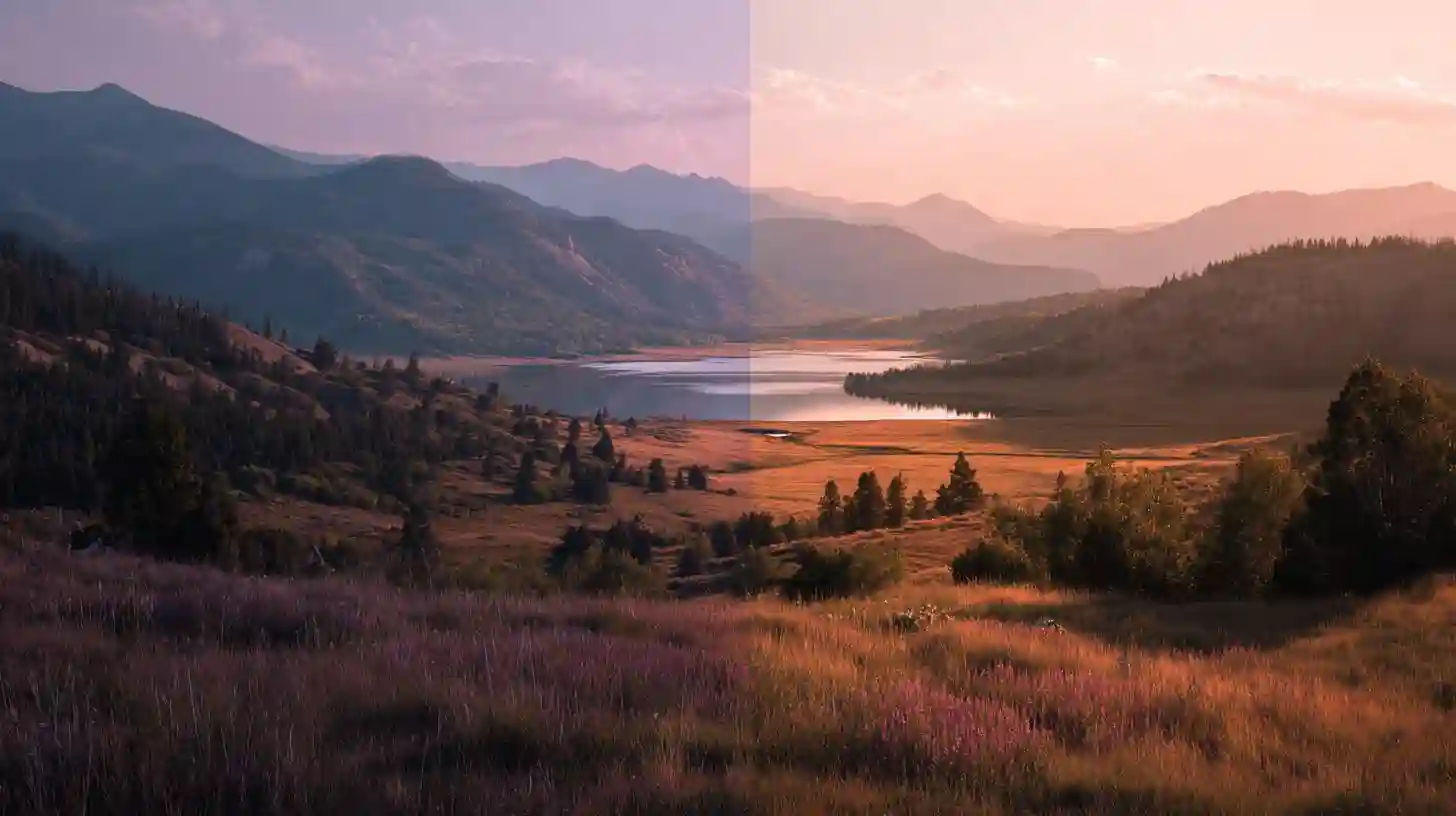
Taking breathtaking landscape photographs involves more than just pointing a camera at a beautiful scene and pressing the shutter. It requires a blend of technique, creativity, and knowledge of the environment. For those looking to elevate their landscape photography skills, there are several key principles and strategies to follow. Whether you're capturing sweeping mountain vistas, serene beachscapes, or tranquil forests, these techniques can help you achieve stunning results.
Understanding light is paramount in landscape photography. The quality of light can drastically transform the mood and appearance of a scene. The best times to shoot are typically during the golden hours, which occur shortly after sunrise and just before sunset. During these times, the light is softer, warmer, and more flattering, casting long shadows and creating a more dynamic range of tones in the image. The angle of the light at these times adds depth and texture to the landscape, which can elevate the overall composition. Shooting in the middle of the day, when the sun is high, can often lead to harsh, unflattering shadows and blown-out highlights. Therefore, planning shoots around these ideal lighting conditions is crucial.
The next step to creating stunning landscape images is mastering composition. The rule of thirds is a widely used guideline that helps create a balanced and engaging photograph. By dividing the frame into three horizontal and vertical sections, the key elements of the landscape can be placed along these lines or at their intersections. This technique helps to create visual interest and allows the viewer's eye to naturally move through the scene. Incorporating leading lines is another powerful compositional tool. These lines can be found in roads, rivers, fences, or any other natural features that guide the viewer’s attention deeper into the photograph. Using these lines to lead the eye toward a focal point can make the landscape appear more expansive and immersive.
Depth is another important element in landscape photography. Adding layers to an image, such as a foreground element, middle ground, and background, creates a sense of scale and dimension. Including something in the foreground, like rocks, flowers, or trees, can give the viewer a point of reference and make the scene feel more three-dimensional. When photographing expansive landscapes, it’s important to consider how each element in the scene interacts with others. A clear horizon can serve as a focal point, but don’t be afraid to experiment with including trees, mountains, or clouds to add complexity to the image.
Equipment also plays a role in capturing stunning landscapes. While many smartphones are capable of taking impressive shots, using a digital single-lens reflex (DSLR) or mirrorless camera with a wide-angle lens offers more control and flexibility. A wide-angle lens, typically between 14mm and 35mm, is ideal for capturing sweeping landscapes and ensuring that all elements of the scene are in focus. When shooting wide landscapes, it’s essential to pay attention to depth of field. A smaller aperture, like f/8 or f/11, ensures that both the foreground and background remain sharp and clear. In addition to controlling the aperture, using a tripod is crucial for long exposure shots. A tripod stabilizes the camera, reducing the chance of motion blur during slow shutter speeds.
Another critical factor in landscape photography is the weather. Overcast days can often produce some of the best lighting for landscape photos. Cloud cover diffuses sunlight, creating a soft, even light that enhances the textures and details of the landscape. Additionally, dramatic weather conditions, such as thunderstorms or fog, can create moody and atmospheric images that are more visually striking than a clear, sunny day. Don’t shy away from unpredictable weather; instead, embrace it to create unique, compelling shots.
Patience is an essential trait for any landscape photographer. Often, the most stunning landscapes reveal themselves only after waiting for the right conditions. Whether it’s waiting for the light to change, a cloud to pass, or a specific moment to unfold, being patient and observant will increase your chances of capturing that perfect shot. Sometimes, a landscape may appear ordinary at first glance, but by waiting for the right lighting or moment, the scene transforms into something extraordinary.
Lastly, post-processing is a vital part of landscape photography. While it’s important to get the composition and exposure right in-camera, editing can bring out the full potential of an image. Adjusting the contrast, saturation, and sharpness can help to bring out the textures and colors that might not be as apparent in the raw file. Many landscape photographers also use techniques such as HDR (high dynamic range) to bring out the details in both the bright highlights and dark shadows, especially in scenes with a wide range of light. However, it’s important to keep the edits natural, enhancing the image without overdoing it, so the photograph still represents the beauty of the scene as it was in real life.
Mastering landscape photography is a journey that requires time, practice, and experimentation. By understanding the importance of light, composition, depth, and weather conditions, you can begin to create more captivating images that not only capture the beauty of the landscape but also convey a sense of place and emotion. Whether you’re photographing a dramatic sunset or a quiet lake, the key to taking stunning landscape photos lies in your ability to observe, compose, and patiently wait for the perfect moment to capture the beauty of the world around you.