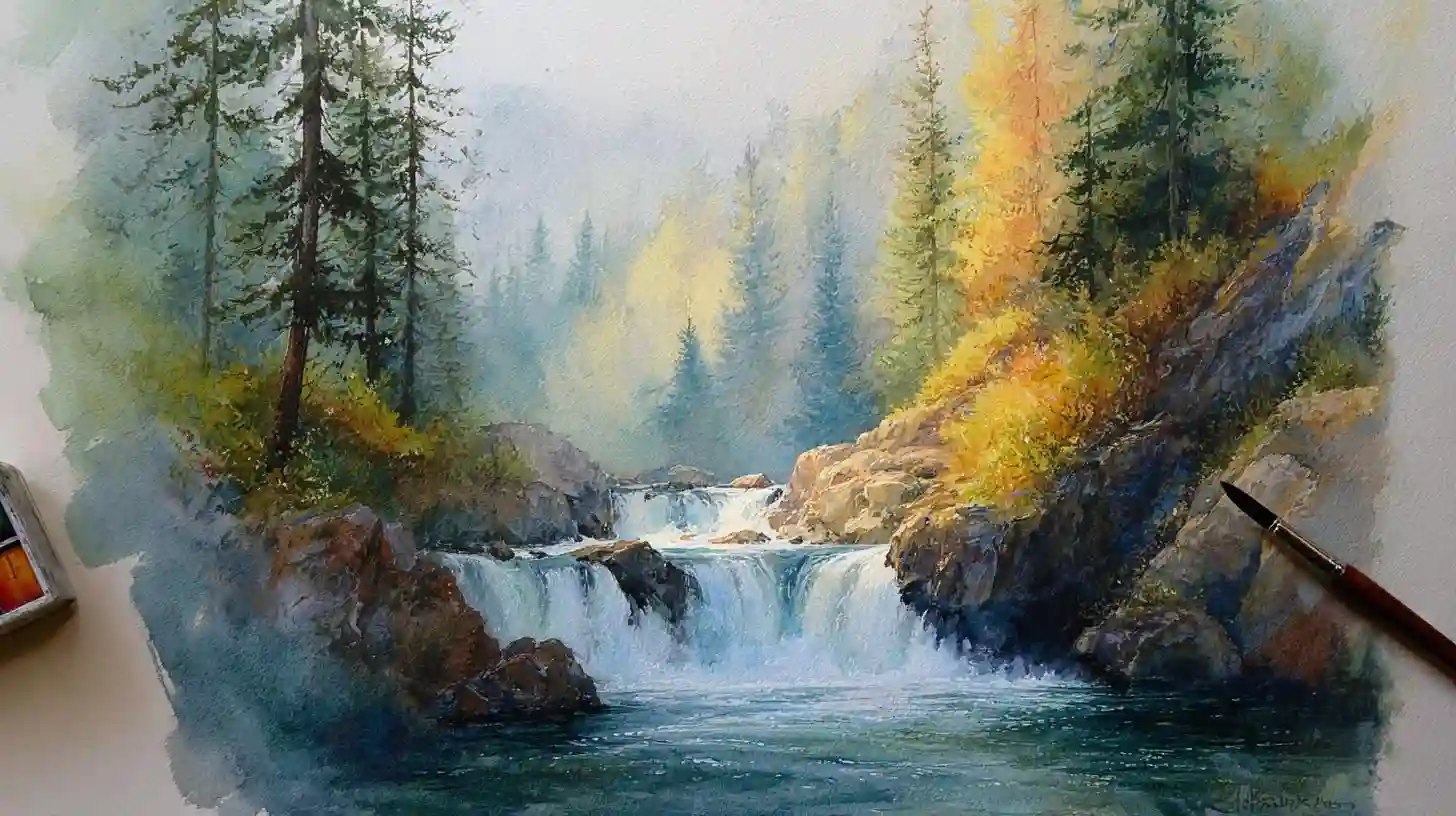
Watercolor painting is an art form that has fascinated artists for centuries. Its delicate, fluid nature allows for a wide range of effects, from soft gradients to bold, intense washes of color. Learning the essential techniques of watercolor painting is key to unlocking the full potential of this medium. Mastering these techniques requires patience, practice, and an understanding of how water and pigment interact on paper. This guide explores some of the fundamental methods and insights shared by expert watercolor artists, offering both beginners and seasoned painters a chance to refine their skills.
One of the most important techniques in watercolor painting is understanding how to control the water-to-paint ratio. The amount of water you use can drastically change the outcome of your work. If you add more water to your paint, the colors become more translucent and lighter, allowing for soft, ethereal effects. On the other hand, using less water will create more intense, saturated colors that can produce sharper edges and stronger contrasts. Experimenting with different water levels can help you achieve the desired effect, whether it’s a gentle gradient or a bold statement.
The technique of wet-on-wet painting is another cornerstone of watercolor practice. It involves applying wet paint onto a wet surface, typically dampening the paper with a clean brush or spritzing it with water before applying pigment. This method allows the paint to flow and blend naturally, creating smooth transitions between colors. It is especially useful for creating backgrounds, skies, or large washes of color. The unpredictability of wet-on-wet painting is part of its charm, as the paint will often spread and bleed in unexpected ways. Learning to embrace these surprises is part of the fun and creativity of watercolor.
In contrast, the wet-on-dry technique is equally important. In this method, the watercolor paint is applied directly onto dry paper. This allows for more control over the edges and shapes of the paint, making it ideal for adding fine details, sharp lines, or creating texture. Wet-on-dry is often used for more precise work, such as painting individual leaves, flowers, or other elements where clarity and definition are needed. By practicing both wet-on-wet and wet-on-dry techniques, you can develop a versatile painting style that allows you to work with both broad washes and intricate details.
Another crucial technique is the use of gradients. A gradient is a gradual transition from one color to another, and it can be achieved through several methods. One way to create a smooth gradient is by layering colors in a controlled manner. Start with a light wash of one color and gradually add more pigment or water to achieve the desired transition. Alternatively, a wet-on-wet gradient allows for a more organic, flowing blend of colors. Expert watercolorists often play with gradients to create depth and atmosphere in their paintings, such as in sunsets, oceans, or skies.
Layering is an essential skill that takes time to master. Building up multiple layers of transparent color on top of one another allows artists to create rich, complex compositions. Each layer of paint adds more depth and intensity to the work. However, it is important to let each layer dry completely before adding the next one. If the paint is still wet, the layers can mix together in ways that may not be desired. By carefully controlling the drying time between layers, artists can create beautiful, luminous works that have both light and shadow.
Texture is another powerful element in watercolor painting, and there are many techniques for creating different textures. One popular method is called “lifting,” which involves removing some of the paint from the paper to create highlights or lighten areas of color. This can be done by gently blotting the paper with a clean sponge or towel while the paint is still wet, or by using a damp brush to lift the pigment from dry paint. Lifting can be used to create effects like clouds, reflections, or subtle lighting.
Salt is also often used to add texture in watercolor painting. When sprinkled on wet paint, the salt absorbs the pigment and creates interesting, unpredictable textures and patterns. The results can range from soft, speckled textures to more dramatic, crystalline effects. This technique is particularly popular in landscape painting, where it can evoke the texture of sand, rocks, or distant stars in a night sky.
Masking fluid is another tool that many watercolor artists use to preserve areas of white paper. By applying a layer of masking fluid to areas you want to remain untouched by paint, you can paint around these areas and then peel the masking fluid away once the painting is dry. This technique is especially useful for creating fine details, like highlights on leaves, the edges of light clouds, or the sparkle in an eye.
To truly capture the essence of watercolor painting, it is essential to develop an understanding of the colors you are working with. Watercolors are made up of transparent pigments, and the way colors mix and interact with each other can have a huge impact on the outcome of a painting. Learning to blend colors and understanding the color wheel, as well as experimenting with complementary and analogous colors, will help you create harmonious and visually dynamic pieces.
While learning the techniques of watercolor painting is important, just as crucial is learning how to develop your own artistic style. Experimenting with different approaches, color combinations, and subject matter will allow you to find your unique voice within the medium. The more you practice and immerse yourself in watercolor, the more confident and skilled you will become. Whether you’re capturing the delicate beauty of a flower or the grandeur of a landscape, watercolor offers endless opportunities for creativity and self-expression. By honing these techniques and trusting in your own artistic intuition, you can unlock the full potential of watercolor painting.