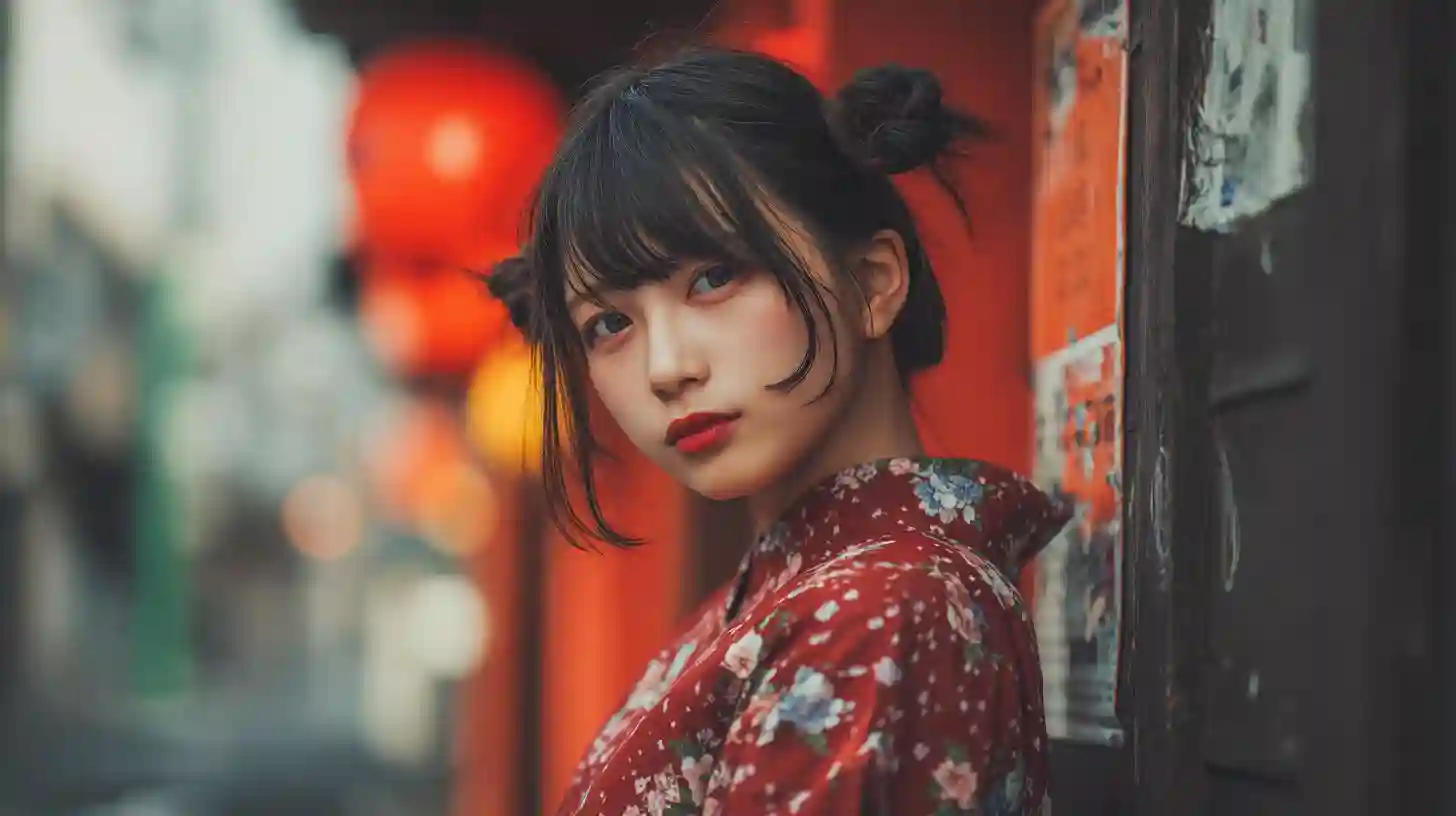
The Japanese cute girl style, often referred to as "kawaii" fashion, has become an internationally recognized trend, embracing both playful and innocent aesthetics. The term "kawaii," which means "cute" in Japanese, extends far beyond just clothing—it's a philosophy and cultural cornerstone that pervades every aspect of Japanese fashion and lifestyle. The style has evolved over the decades but consistently emphasizes soft colors, whimsical patterns, and an air of youthful charm. It is deeply connected with Japan’s broader culture of youthfulness, innocence, and an appreciation for things that elicit affection or tenderness.
One of the primary characteristics of the kawaii style is the use of pastel hues, such as light pinks, soft blues, lavender, mint green, and pale yellows. These colors are often seen in various combinations, creating a soothing and visually appealing palette that evokes feelings of warmth and comfort. These soft colors are commonly seen in dresses, skirts, blouses, and accessories, which all contribute to the overall gentle appearance of the outfit. While these hues are traditionally associated with femininity, kawaii fashion allows for a broader expression of personality, often blurring the lines between gender and creating an inclusive space for all to express their cute side.
The garments in kawaii fashion are often adorned with playful patterns like polka dots, stripes, hearts, stars, and bows. These patterns contribute to the fun, lighthearted vibe of the style, often making wearers appear as though they have stepped out of a whimsical dream. These patterns can be found on everything from socks and stockings to hats and handbags. Accessories play a significant role in completing the look, with items such as plush toys, ribbons, bows, and even oversized buttons acting as essential components of the kawaii aesthetic.
The silhouette of a typical kawaii outfit tends to emphasize youthfulness and innocence, often featuring dresses and skirts that are modest in length but full and flowy. A-line dresses, pleated skirts, and oversized sweaters are all staples in kawaii wardrobes. Layers are also an essential element, with cardigans, jackets, and even tights or leggings often being paired with outfits to create a sense of coziness and warmth. These layered looks not only add depth and texture to the outfit but also contribute to the overall comfort and practicality of the fashion style.
Footwear is another important aspect of kawaii fashion, with cute and quirky shoes being integral to the overall look. Mary Jane shoes, ballet flats, platform sneakers, and even boots with frilly socks are common choices in the kawaii wardrobe. These shoes often feature playful embellishments like bows, lace, and glitter, further enhancing the childlike charm that kawaii fashion embodies. The footwear is often chosen to balance both style and comfort, ensuring that the wearer can confidently move about while maintaining an adorable aesthetic.
Makeup and hairstyles also play a significant role in defining the kawaii look. In terms of makeup, the focus is on achieving a fresh-faced, youthful appearance. This often involves light, natural-looking makeup with a focus on creating clear, bright eyes and soft cheeks. The eyes are typically accentuated with large, round contact lenses, which enhance the illusion of wide, innocent eyes—a hallmark of the kawaii aesthetic. The blush is often applied in a subtle, rounded shape, contributing to the soft and gentle appearance of the face.
Hairstyles in kawaii fashion also emphasize a youthful, playful vibe. Common styles include loose, wavy hair, ponytails, or adorable pigtails. Hair accessories like bows, headbands, and cute clips are frequently used to add extra flair and personality to the look. In some cases, the hair may be dyed in pastel colors such as pink, lavender, or mint, further reinforcing the overall theme of sweetness and charm. These hairstyles complement the soft, gentle outfits and help to create a cohesive, adorable aesthetic that is visually pleasing from head to toe.
The kawaii style is not limited to clothing and accessories alone; it extends to the way of life and attitude of those who embrace it. Kawaii culture in Japan celebrates all things that are small, cute, and endearing. It can be seen in the design of characters, toys, stationery, food, and even the architecture of cafes and shops. For those who embrace this style, it represents more than just an appearance—it reflects a mindset that cherishes innocence, playfulness, and the joy found in the simple and charming aspects of life. The kawaii trend fosters an environment of creativity and self-expression, where individuals are encouraged to embrace their playful side and appreciate beauty in the smallest of things.
In the global fashion scene, the influence of kawaii style has extended beyond Japan’s borders. Around the world, people are drawn to the charm of kawaii fashion, whether in the form of subtle touches in their everyday outfits or fully embracing the cute aesthetic from head to toe. The international popularity of kawaii fashion reflects a universal desire for comfort, joy, and nostalgia—qualities that resonate with people of all ages. This style’s ability to blend innocence with creativity and allow for personal expression has contributed to its staying power and growing influence in global fashion trends.
Kawaii fashion has transcended being just a trend to become a cultural phenomenon, shaping the way people think about fashion and self-expression. It encourages an embrace of youthful, carefree beauty, where looking cute is not just for children but a style that anyone can enjoy, regardless of age. Whether expressed through soft colors, playful patterns, or whimsical accessories, the kawaii style offers a unique way to celebrate creativity, joy, and innocence in the fashion world.