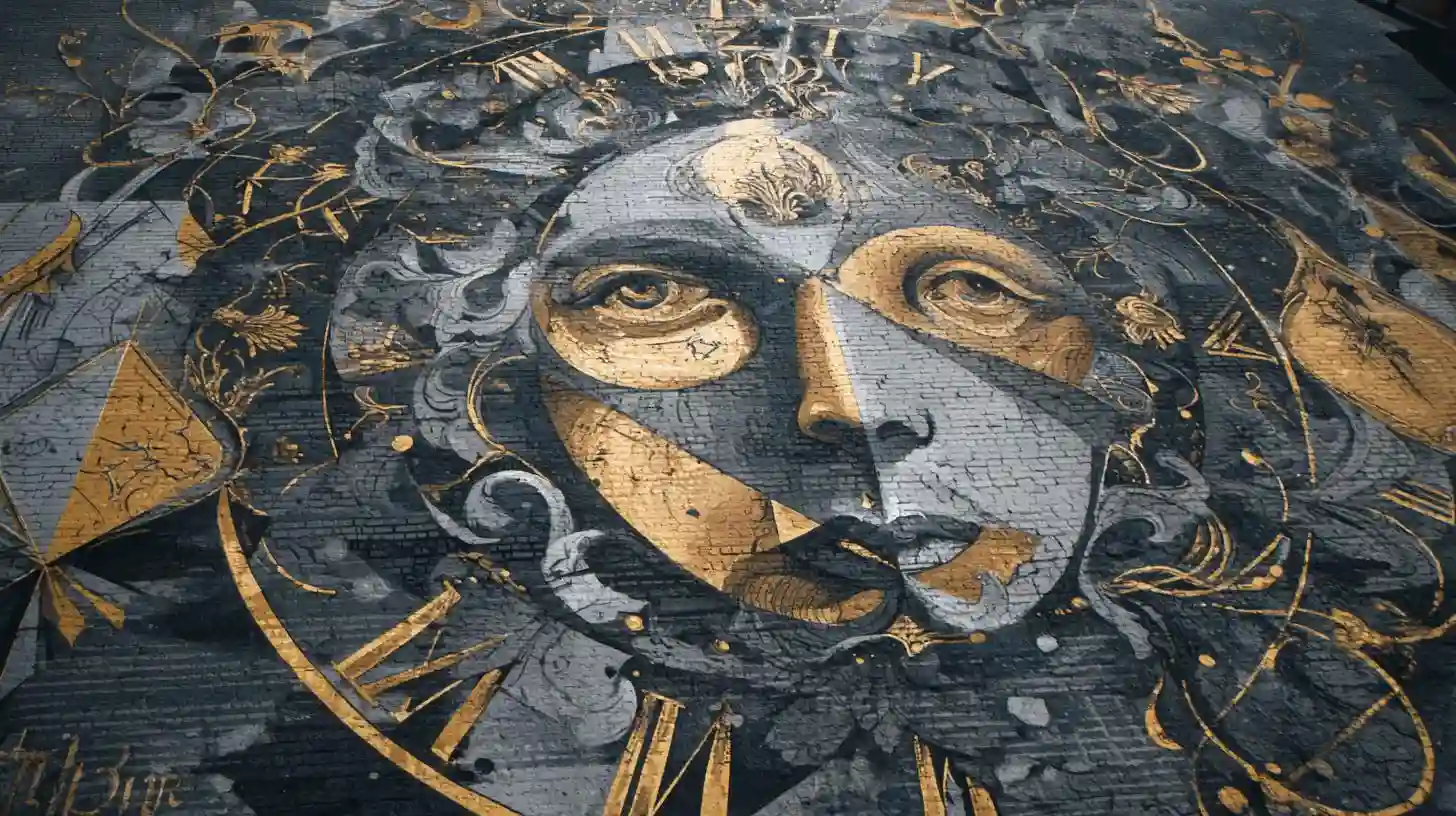
Creating a mural begins with envisioning the space and allowing imagination to guide the design. The walls, whether indoors or outdoors, offer a canvas that can transform the atmosphere of a room or an entire building. Selecting the right surface preparation is crucial as it ensures the paint adheres well and lasts longer. Cleaning the wall, filling any cracks, and applying a base coat create a foundation that allows the colors to appear vibrant and consistent. Choosing the appropriate paints can make a significant difference. Acrylic paints are often favored for their durability and versatility, while specialized outdoor paints can withstand weather conditions if the mural is outside. Pigments that resist fading under sunlight help maintain the mural’s brilliance over time. Planning the composition carefully is another essential aspect. Sketching the design on paper or digitally provides a clear vision and can reveal potential challenges before starting on the wall. Grid techniques or projectors can assist in transferring complex designs accurately, ensuring proportions remain true. Considering the perspective from which viewers will most often see the mural can enhance its impact, creating a sense of depth and dimension. Layering techniques add richness to the work, starting with background elements and gradually building up midtones, shadows, and highlights. Allowing each layer to dry properly prevents unwanted blending or smudging, maintaining clarity and precision. Using a variety of brush sizes enables both broad coverage and intricate detailing, giving the mural texture and dynamism. Attention to color harmony elevates the mural, balancing complementary shades and contrasting tones to guide the viewer’s eye and evoke emotion. Lighting conditions should be considered, as natural and artificial light affect how colors appear, and planning for this can enhance the overall visual effect. Maintaining a steady hand while working on fine details is aided by proper posture and positioning, as well as taking breaks to prevent fatigue, ensuring precision and quality throughout the painting process. Techniques such as blending, glazing, and dry brushing can add dimension and texture, creating a more lifelike and engaging scene. Incorporating unexpected elements or personal touches imbues the mural with character, making it unique and memorable. Feedback from peers or mentors can provide valuable perspectives, highlighting areas that may need refinement or adjustments. Patience is essential, as large-scale works can take significant time to complete, and rushing can compromise the final result. Cleaning tools and brushes regularly during painting preserves their effectiveness and prevents color contamination. Protective finishes such as varnishes or sealants shield the mural from dust, moisture, and damage, ensuring longevity and maintaining the vibrancy of the colors. Observing other murals and learning from established artists can inspire techniques and approaches, offering insights into composition, color usage, and innovative methods. Flexibility in approach allows adaptation to unforeseen challenges, whether related to weather, wall texture, or unexpected interruptions, ensuring progress continues smoothly. Engaging with the space and considering its cultural or environmental context enhances the mural’s relevance, connecting the artwork to its surroundings in a meaningful way. Experimenting with textures, layering, and unconventional tools can produce distinctive effects that capture attention and enrich the viewer’s experience. Developing a rhythm and flow while painting encourages consistency and cohesiveness throughout the mural, creating a seamless visual journey from one section to another. Understanding the emotional impact of colors and shapes helps convey the intended mood and message, transforming the mural from mere decoration into a compelling narrative. Documenting the process through photos or videos not only preserves the creative journey but also provides a reference for future projects, reflecting growth and learning over time. Ultimately, dedication, creativity, and careful planning converge to produce a mural that captivates, inspires, and transforms any space into a vibrant expression of artistry and vision.