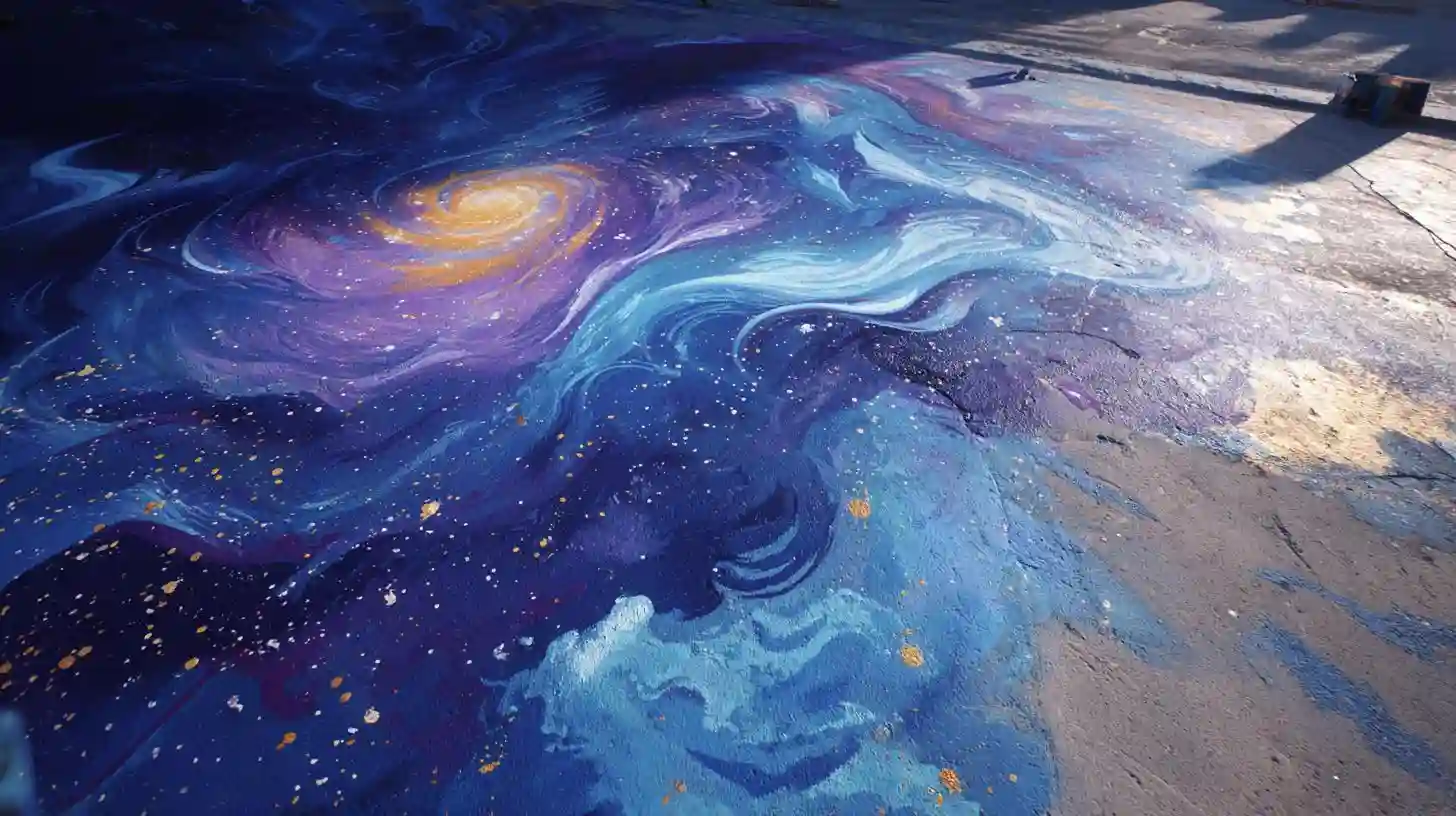
Creating a stunning mural is an artistic endeavor that can transform any space. Whether you're aiming to enhance a wall in your home or are taking on a public project, the process of painting a mural involves planning, technique, and a dash of creativity. The key to success lies in understanding a few fundamental principles that can guide you from conception to completion. If you want to learn how to paint a mural that catches the eye and evokes emotion, here’s an expert approach to get you started.
Start with the concept. Every great mural begins with an idea, and it is essential to have a clear vision of what you want to express. This involves more than just choosing colors and shapes. The concept could reflect the culture of the space, a piece of history, or even an abstract interpretation of a theme. It is important to think about the location where the mural will be placed and how it fits within the context of the surrounding environment. A mural for a community center may have a very different aesthetic from one in a private residence, so consider the space’s character and purpose. Once you have an idea, sketch it out. This will allow you to visualize how it will appear on the wall, helping you refine the details before committing to the painting process.
Before you begin painting, it is crucial to prepare the surface. The wall should be clean, smooth, and free of any imperfections that could interfere with the paint. This may involve sanding the surface or filling in holes with plaster to create a consistent backdrop for your mural. If you're working with a textured wall, you might need to apply a base coat to smooth it out. For larger murals, especially outdoor ones, applying a primer coat is essential. The primer acts as a sealant and will ensure the paint adheres properly to the surface, preventing peeling or fading over time.
Once the wall is prepped, it’s time to outline your design. You can either do this freehand or use projection techniques for more intricate designs. A projector is a handy tool that allows you to project the image onto the wall, adjusting the size and positioning until it’s perfect. If you prefer the traditional method, you can use a grid technique. Draw a grid on your reference image and a corresponding grid on the wall. This helps to maintain the correct proportions as you transfer the design. Once the outline is complete, you can start adding in the larger sections of color, gradually building up the layers.
When choosing your materials, it's essential to use the right type of paint for the surface and the intended environment. Acrylic paints are the most common choice for murals because of their vibrant colors and durability. They are easy to work with and can be applied in several layers to create depth. If you’re working on an outdoor mural, be sure to use outdoor acrylics or specially formulated paint designed for exterior use to withstand the elements. For additional protection, consider using a clear topcoat once the mural is finished. This will provide an extra layer of protection against UV rays, rain, and dirt, helping the mural maintain its appearance for years.
The technique you use to apply the paint will greatly influence the final result. For a smooth finish, use large brushes or rollers to fill in the basic areas of color. Once the larger sections are done, you can switch to smaller brushes for finer details, blending colors, or creating texture. Experiment with different brush techniques to achieve the desired effect, whether it’s smooth gradients or bold, defined lines. Be patient and take your time as you work. Mural painting often requires multiple layers to achieve the desired depth and effect.
As you approach the final stages of the mural, take a step back and assess the work. This will help you see it from a distance and ensure that everything is in proportion and that the composition works as a whole. Touch up any areas that need more definition or color adjustment. A few final details or highlights can make a world of difference in the overall impact of the mural.
When you're done, make sure to protect your work. Muralists often use a varnish or protective coating to seal the mural and safeguard it against the wear and tear of everyday life. This is especially important for outdoor murals that will be exposed to the sun, rain, and other weather conditions. The protective layer will help maintain the mural's vibrancy and ensure that it lasts for years to come.
Painting a mural is both a rewarding and challenging project that allows you to express yourself on a grand scale. It takes time, effort, and a great deal of preparation to create something that will last and make an impact. By following expert advice on preparation, design, materials, and technique, you can unlock the secrets to painting a stunning mural that not only enhances the space but also leaves a lasting impression.