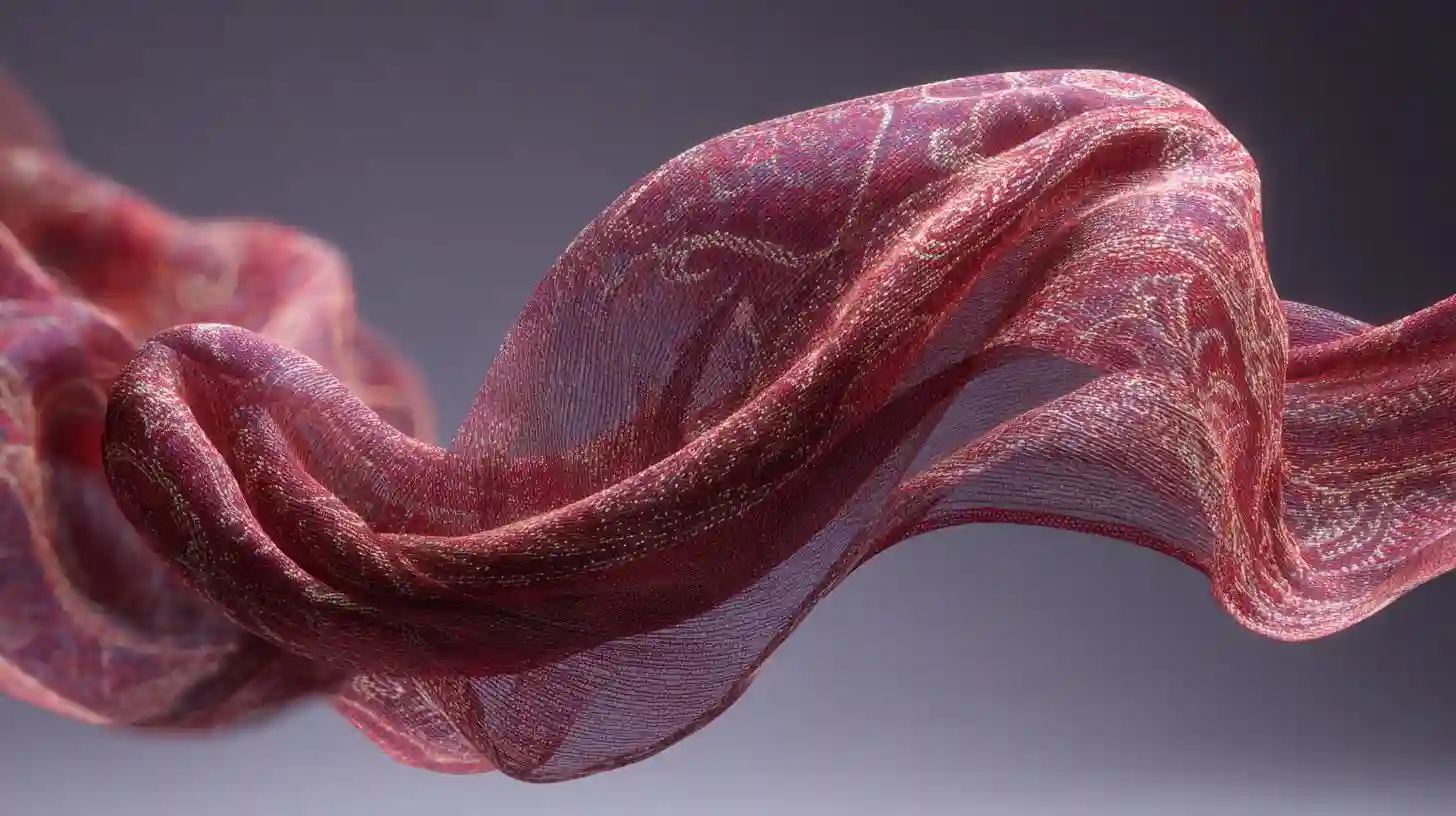
The finishing touch of silk scarves is often the element that transforms a simple piece of fabric into an elegant accessory capable of elevating any outfit. Though the silk itself is a luxurious material, its true potential is realized in the careful attention to the finishing processes that give the scarf its flawless appearance, soft texture, and enduring appeal. This stage in the production of a silk scarf is vital, as it ensures the product not only looks beautiful but also retains its functionality and quality over time.
The process of finishing a silk scarf involves a range of techniques aimed at enhancing the fabric's natural properties. One of the first and most significant steps is the hemming of the scarf. Traditionally, the edges of silk scarves are hand-rolled and stitched, a delicate process that requires both skill and precision. This hand-rolling technique is especially prized for its ability to keep the edges smooth and prevent them from fraying, which can be a common issue with natural fibers like silk. The rolled hem is subtle yet refined, offering a seamless transition between the scarf's design and the border. It also adds a weight to the scarf, ensuring that it drapes beautifully around the neck or shoulders.
In addition to hand-rolling, another popular method of finishing silk scarves is machine stitching, which is often employed for mass-produced scarves. While this technique is less time-consuming and less expensive than hand-rolling, it still requires a certain level of expertise to ensure the stitching is even and secure. Machine-stitched edges tend to be more uniform, giving the scarf a polished, clean look. However, many high-end designers prefer hand-rolling because it adds an extra layer of craftsmanship that speaks to the luxury of the piece.
For those looking to add a unique, sophisticated touch, silk scarves are often adorned with borders, tassels, or fringe. These finishing details can be as simple or as intricate as desired. A carefully placed border not only frames the design but also provides contrast, highlighting the artwork or print on the silk. Tassels and fringes, though more playful and whimsical, add movement and texture, making the scarf feel more dynamic when worn. These elements are usually handcrafted, with each tassel or fringe being added individually, ensuring consistency and quality.
Another key element in the finishing process is the printing of patterns or designs. While the silk itself is beautiful, the design on the fabric truly defines the character of the scarf. In many cases, intricate patterns or vivid colors are applied through methods like screen printing, digital printing, or hand painting. The finishing touch in this context is how the design is seamlessly integrated into the fabric without disrupting its flow or texture. A well-executed print adds depth to the scarf, enhancing its overall visual appeal.
Beyond the aesthetic considerations, the final steps of finishing a silk scarf also involve ensuring its practicality. Silk is a delicate fabric, so it is often treated with special coatings to protect it from stains, fading, and other forms of wear. Some scarves undergo a process known as "scouring," which removes any remaining impurities from the fabric, making it smoother and softer to the touch. This treatment also enhances the sheen of the silk, giving it that signature lustrous finish that makes silk scarves so desirable. Depending on the designer and the intended use of the scarf, the fabric might also be treated to make it more durable or resistant to wrinkles, making it easier to maintain its elegant appearance.
The finishing of a silk scarf is also closely tied to the care and maintenance instructions that accompany the product. Proper finishing ensures that the scarf is both beautiful and easy to care for, as it helps retain the scarf's color and texture over time. Careful washing, gentle handling, and proper storage are essential to prolong the life of the scarf and maintain its luxurious appearance. Many high-end scarves come with specific instructions about how to wash and store them, including recommendations for dry cleaning, as well as tips on preventing damage from sunlight or friction.
Ultimately, the finishing touch of a silk scarf is a testament to the artistry and attention to detail that goes into creating a luxury accessory. Whether through hand-rolled hems, intricate borders, or the application of sophisticated patterns, these finishing techniques are what turn a simple piece of silk into an object of timeless elegance. The thought and care that go into the finishing process not only elevate the scarf's aesthetic value but also ensure that it remains a cherished piece for years to come.