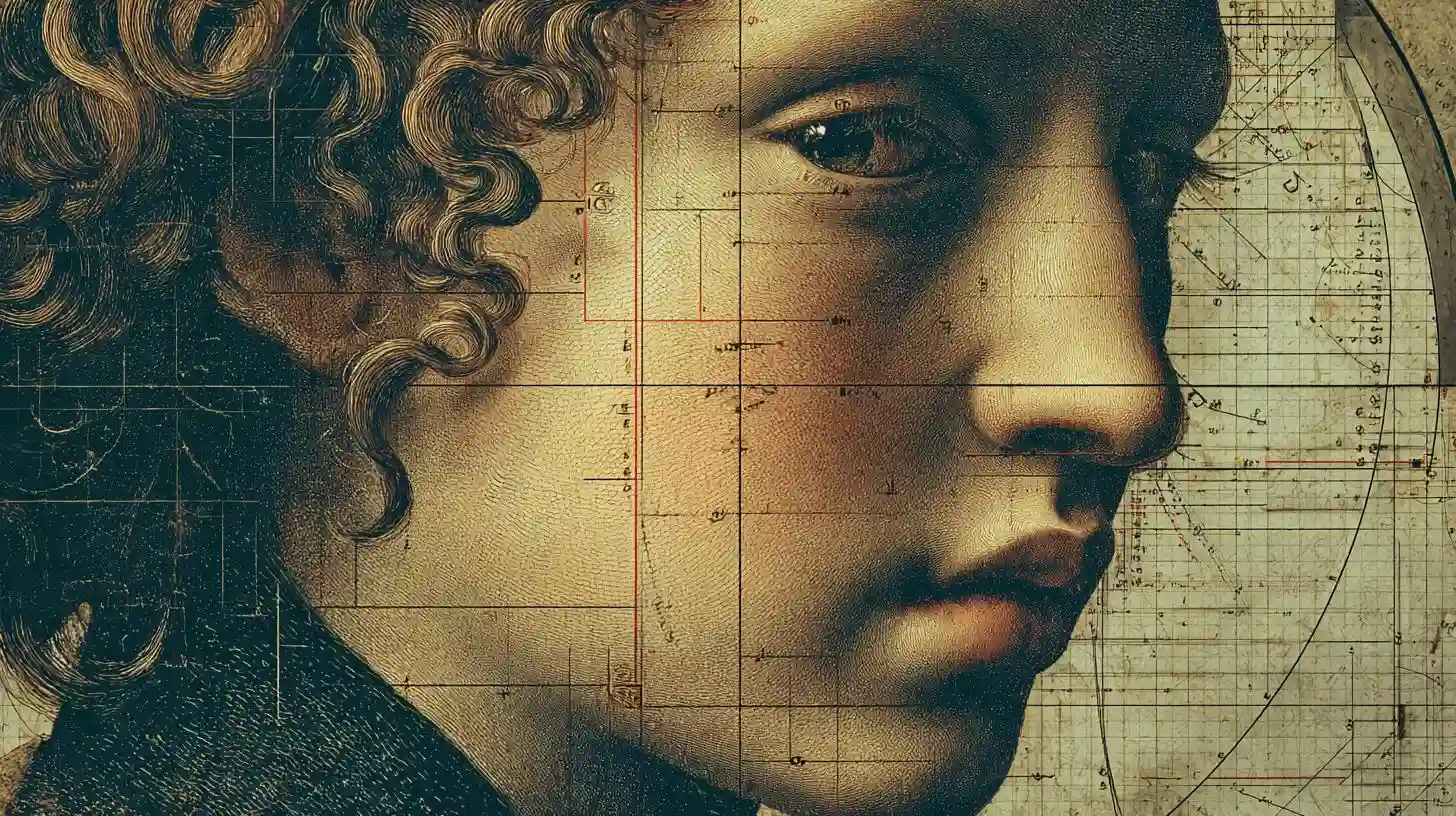
Throughout history, certain paintings have not only captured the imagination of audiences but have also profoundly influenced the trajectory of art. The Mona Lisa, painted by Leonardo da Vinci, is undoubtedly one of the most iconic and recognized works in art history. Its enigmatic smile and subtle use of sfumato have made it a masterpiece that transcends time. The painting's ability to evoke a sense of mystery has intrigued viewers for centuries, making it an enduring symbol of the Renaissance period. Da Vinci’s technical skill and attention to human expression set a benchmark for future artists.
Another painting that has had a significant impact on art history is Michelangelo's Sistine Chapel ceiling, a monumental fresco that adorns the ceiling of the Vatican. The ceiling was completed over four years, and it includes depictions of biblical scenes such as the Creation of Adam. Michelangelo’s use of dynamic compositions, his mastery of human anatomy, and his revolutionary approach to fresco painting left a lasting legacy, influencing not only the art of the Renaissance but also the development of Western art.
Vincent van Gogh’s The Starry Night is another painting that has become a symbol of emotional depth and artistic innovation. The swirling night sky, vibrant colors, and expressive brushstrokes convey a sense of both turbulence and beauty, which speaks to the inner turmoil and genius of the artist. Van Gogh’s unique use of color and texture, combined with his ability to convey intense emotion, transformed landscape painting and has inspired generations of artists to embrace personal expression in their work.
Pablo Picasso’s Guernica is a powerful anti-war painting that captures the horror and anguish caused by the bombing of the Spanish town of Guernica during the Spanish Civil War. The painting's fragmented, abstract style and dramatic imagery depict suffering on an almost universal scale. Its scale, emotional intensity, and innovative approach to cubism solidified Picasso's position as one of the most influential artists of the 20th century.
The Persistence of Memory, painted by Salvador Dalí, is a striking surrealist masterpiece that challenges the viewer’s understanding of time and reality. The melting clocks draped over various objects in a desolate landscape evoke a dreamlike atmosphere that explores the fluidity and distortion of time. Dalí’s meticulous technique and imaginative vision make this painting one of the defining works of surrealism, showcasing the artist's ability to transform everyday objects into symbols of the unconscious mind.
Edvard Munch's The Scream is a haunting portrayal of existential anxiety and emotional turmoil. The figure in the painting, with its wide-open mouth and distorted expression, seems to be overwhelmed by a wave of panic, while the swirling sky and turbulent water further intensify the sense of dread. Munch’s innovative use of color and form to express psychological states has had a profound impact on modern art, inspiring countless artists to explore the emotional and psychological dimensions of the human experience.
The Birth of Venus, painted by Sandro Botticelli, represents a turning point in the depiction of mythological subjects during the Renaissance. The graceful figure of Venus emerging from the sea, surrounded by other figures from classical mythology, exemplifies Botticelli’s mastery of beauty, proportion, and mythological symbolism. This painting's use of soft lines and ethereal color palette helped establish the standards for beauty in Renaissance art, and it continues to captivate audiences with its serene, otherworldly elegance.
Diego Rivera's Man at the Crossroads, a mural that was initially painted in the Rockefeller Center but later destroyed, is a prime example of his ability to blend social realism with political activism. The mural depicted a vision of modern industrial society, highlighting the tensions between capitalism and communism. Rivera's striking imagery and his bold approach to social and political issues created a visual narrative that resonated deeply with the social consciousness of his time, influencing the development of muralism in Mexico and the United States.
In the realm of American art, Grant Wood's American Gothic stands out as a quintessential image of rural America during the Great Depression. The painting, featuring a stern-faced farmer and his daughter standing in front of a simple farmhouse, symbolizes the stoic resilience of the American people during a time of economic hardship. Wood’s attention to detail and his use of symbolism helped create an iconic portrayal of American life, one that continues to spark discussions about identity, class, and the American dream.
Finally, The Night Watch by Rembrandt van Rijn stands as one of the most important paintings of the Dutch Golden Age. The painting depicts a militia company, but what makes it remarkable is Rembrandt’s innovative use of light and shadow, as well as his ability to capture the dynamic motion and psychological depth of the figures. The dramatic contrasts between light and dark bring a sense of life and movement to the scene, making it a breakthrough in the use of light and a milestone in Baroque art. Its complex composition and dramatic rendering of figures have made it a cornerstone of Western art history.
These paintings, each remarkable in its own right, have shaped the course of art history through their technical innovations, emotional depth, and ability to reflect the cultural and political climates of their times. They continue to resonate with audiences today, reminding us of the transformative power of art.