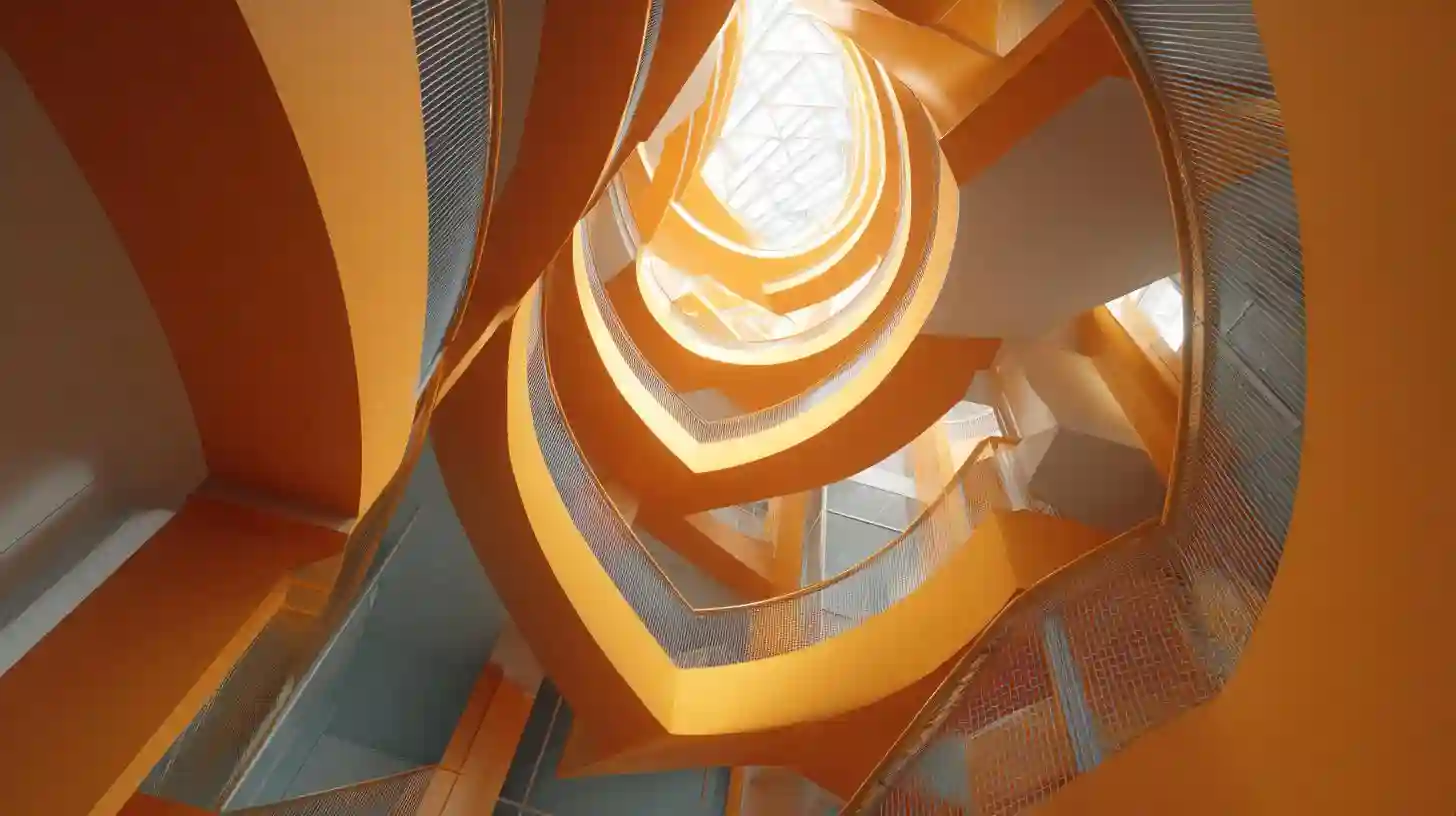
Staircases have long been more than just functional elements in architecture; they have evolved into intricate design features that play a pivotal role in shaping the overall aesthetic and flow of modern spaces. As architecture continues to embrace new trends, staircases have transitioned from simple utilitarian structures to stunning focal points that blend art, engineering, and design. In recent years, the influence of staircase design on modern architecture has grown significantly, as architects and designers explore innovative materials, forms, and techniques to create visually striking and practical stairways.
In contemporary architecture, there is a clear trend toward creating open and airy spaces, and staircases are no exception. Traditionally, staircases were often tucked away in small, utilitarian corners of homes or commercial buildings, designed solely for functionality. However, as the desire for openness and lightness in interiors has increased, staircases are now frequently integrated into the center of spaces, becoming a key architectural feature. This shift in design allows for greater visibility, light flow, and connectivity between different levels of a building, enhancing the overall spatial experience.
One of the most notable trends in staircase design is the move toward minimalism. Modern staircases often feature sleek, clean lines, and an emphasis on simplicity and elegance. The use of minimalist design principles creates staircases that appear almost weightless, contributing to the sense of openness within a space. Floating stairs, which are mounted directly onto the wall without visible supports, are a prime example of this trend. The absence of traditional supporting structures, such as banisters or visible brackets, creates an illusion of floating steps that seem to defy gravity. This design approach not only enhances the aesthetic appeal of a space but also makes it feel more spacious and light.
The materials used in staircase design have also undergone significant transformation. In the past, wood was the dominant material for staircases, and while wood remains a popular choice, modern staircases often feature a combination of materials, including glass, steel, concrete, and stone. Glass, in particular, has become a favored material for stair railings and balustrades, as it offers an unobstructed view of the surrounding space, enhancing the sense of openness. Steel, on the other hand, is often used for structural elements, as it allows for slim, strong supports that contribute to a clean and modern look. Concrete and stone have also gained popularity for their industrial and rugged appearance, lending a bold and sophisticated touch to staircases.
Color plays an important role in modern staircase design as well. While neutral tones such as white, gray, and black are commonly used to maintain a minimalist aesthetic, there has been a growing trend toward incorporating bolder colors and textures. Rich, earthy tones like deep reds, greens, and browns can add warmth and depth to a space, creating a sense of intimacy and comfort. Additionally, stairs can be customized with painted risers, patterned tiles, or even artistic designs that reflect the personality and style of the occupants. This flexibility in color and texture allows for staircases to become unique expressions of individuality, blending seamlessly with the overall theme of a building.
Another emerging trend in staircase design is the incorporation of technology. Smart stairs, equipped with features like motion sensors and LED lighting, are becoming increasingly popular in modern homes and commercial spaces. These stairs not only enhance the functionality of the space but also contribute to sustainability by reducing energy consumption. For example, motion-sensor lighting can illuminate stairs only when someone is present, helping to conserve electricity. Additionally, some staircases are being designed with integrated charging stations for electronic devices, offering convenience and practicality in an era where connectivity is paramount.
The integration of sustainable and eco-friendly design elements into staircase construction has also gained significant traction. As sustainability becomes an integral focus in modern architecture, the use of recycled or renewable materials in staircase design is on the rise. Reclaimed wood, for example, is being used to create unique and environmentally conscious staircases that add character and warmth to a space while minimizing environmental impact. Furthermore, the focus on energy-efficient design extends to the staircases themselves, with designers exploring ways to make staircases more energy-efficient by incorporating passive design principles and optimizing natural light.
The design of staircases also has a profound impact on the functionality and flow of modern spaces. Open riser staircases, which eliminate the traditional closed step structure, allow for greater visibility and light penetration, making spaces feel more open and inviting. These staircases often feature wide, shallow treads that are designed for comfort and ease of use, promoting a seamless connection between different levels of a building. Additionally, the design of staircases is increasingly being tailored to meet the specific needs of the occupants, with features like wider steps, handrails at various heights, and accessibility-friendly designs becoming more common.
Staircase design in modern architecture has evolved far beyond its basic function of connecting different levels of a building. Today, staircases are celebrated as works of art that contribute to the aesthetic, functional, and emotional experience of a space. Whether designed with minimalist precision, bold materials, or innovative technology, staircases are no longer merely functional structures; they have become integral elements of modern design that shape the way we interact with our living and working environments. As design trends continue to evolve, it is clear that staircases will remain an essential and dynamic component of architectural expression.