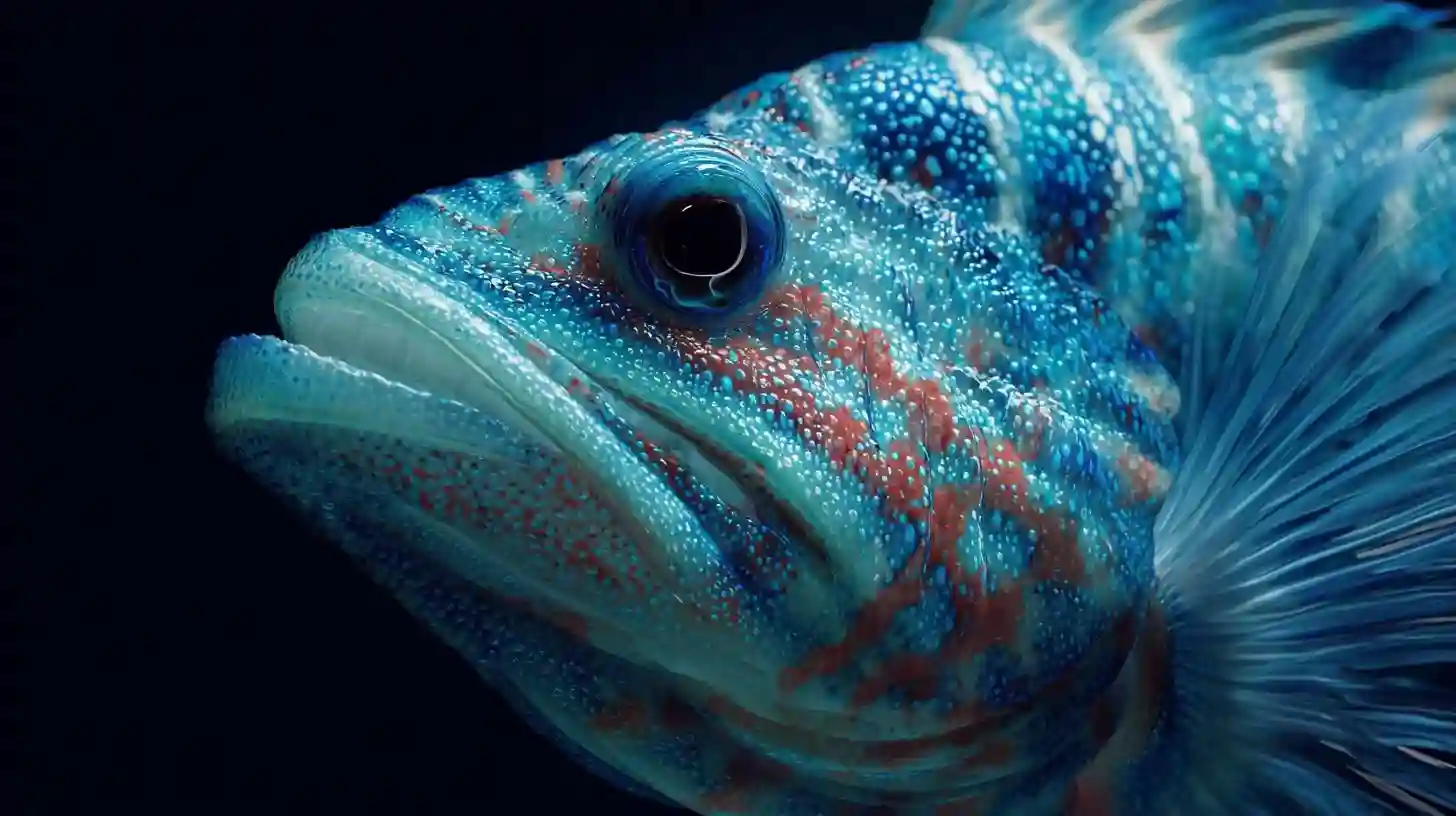
Fish possess a remarkable adaptation that allows them to extract oxygen from water, a medium far less oxygen-rich than air. The key to this capability lies in their gills, intricate structures designed specifically for efficient respiration under aquatic conditions. Unlike lungs in terrestrial animals, gills are finely tuned to exploit the low concentrations of dissolved oxygen present in their environment. Experts in marine biology emphasize that gills function not merely as simple filters but as highly specialized organs capable of sustaining the metabolic demands of fish, whether they inhabit fast-flowing rivers, stagnant ponds, or the vast expanses of the ocean. Each gill is composed of multiple filaments, which themselves bear delicate lamellae, thin plate-like structures that vastly increase surface area. This design ensures that even minimal amounts of dissolved oxygen can be absorbed with remarkable efficiency. The process relies on the principle of countercurrent exchange, where blood flows in the opposite direction to the water passing over the gills. This arrangement maintains a consistent gradient that maximizes oxygen transfer, allowing fish to maintain proper levels of oxygen in their blood and sustain vital bodily functions.
The respiratory efficiency of gills is further enhanced by their exposure to large volumes of water. Fish continuously pump water across their gill surfaces through coordinated movements of the mouth and operculum, a bony flap covering the gill chamber. This active ventilation ensures that oxygen-depleted water is swiftly replaced with fresh water, maintaining the gradient necessary for effective gas exchange. Experts note that variations in gill structure correspond closely to the specific environments and lifestyles of different species. Predatory fish, for instance, often have highly developed gill filaments to support intense bursts of activity, whereas slower-moving or bottom-dwelling species may have gills adapted for prolonged exposure to lower oxygen levels. The morphology of gills is thus intimately connected with survival strategies, influencing growth rates, reproductive capacity, and overall health. Researchers have also highlighted the importance of gill plasticity, which allows fish to adjust their respiratory structures in response to changing environmental conditions. In habitats with low oxygen concentrations, some species can increase the surface area of their gills or enhance blood flow through the lamellae, optimizing oxygen uptake and demonstrating a remarkable level of physiological adaptability.
Gill function extends beyond oxygen acquisition, playing a crucial role in maintaining acid-base balance and excreting metabolic waste products such as carbon dioxide and ammonia. The continuous exchange of ions through gill surfaces helps regulate internal pH, which is vital for enzymatic activity and overall cellular function. Experts stress that this dual functionality underscores the sophistication of gills as respiratory and homeostatic organs. The interaction between gill morphology, water quality, and oxygen availability has become a focal point in studies of aquatic ecology, with implications for conservation and fisheries management. Changes in water temperature, salinity, and pollution levels can dramatically affect gill efficiency, making it a critical indicator of fish health. Conservationists emphasize that understanding the intricacies of gill function is essential for designing interventions that protect aquatic species and their habitats, particularly in the face of climate change and anthropogenic pressures. The study of gills reveals the delicate balance that fish must maintain between their physiological needs and the surrounding environment, highlighting the elegance of evolutionary design.
Fish respiration is a dynamic and continuous process, with gills serving as the central hub for oxygen uptake, waste removal, and internal regulation. Expert observations demonstrate that gill health is a direct determinant of growth, reproductive success, and survival rates across diverse species. Research in comparative physiology has shown that even subtle alterations in gill structure or function can have cascading effects on overall organismal performance, influencing behavior, energy allocation, and ecological interactions. Gill adaptation is a testament to the complex interplay between anatomy, physiology, and environmental pressures, illustrating how organisms evolve specialized solutions to meet the demands of their habitats. In essence, the gill represents a sophisticated biological interface, mediating the exchange between internal systems and the aquatic environment, ensuring that fish thrive under conditions that would be inhospitable to terrestrial life. The ongoing study of gill morphology and function continues to provide valuable insights into the resilience and vulnerabilities of aquatic organisms, underscoring the indispensable role of gills in sustaining life underwater.