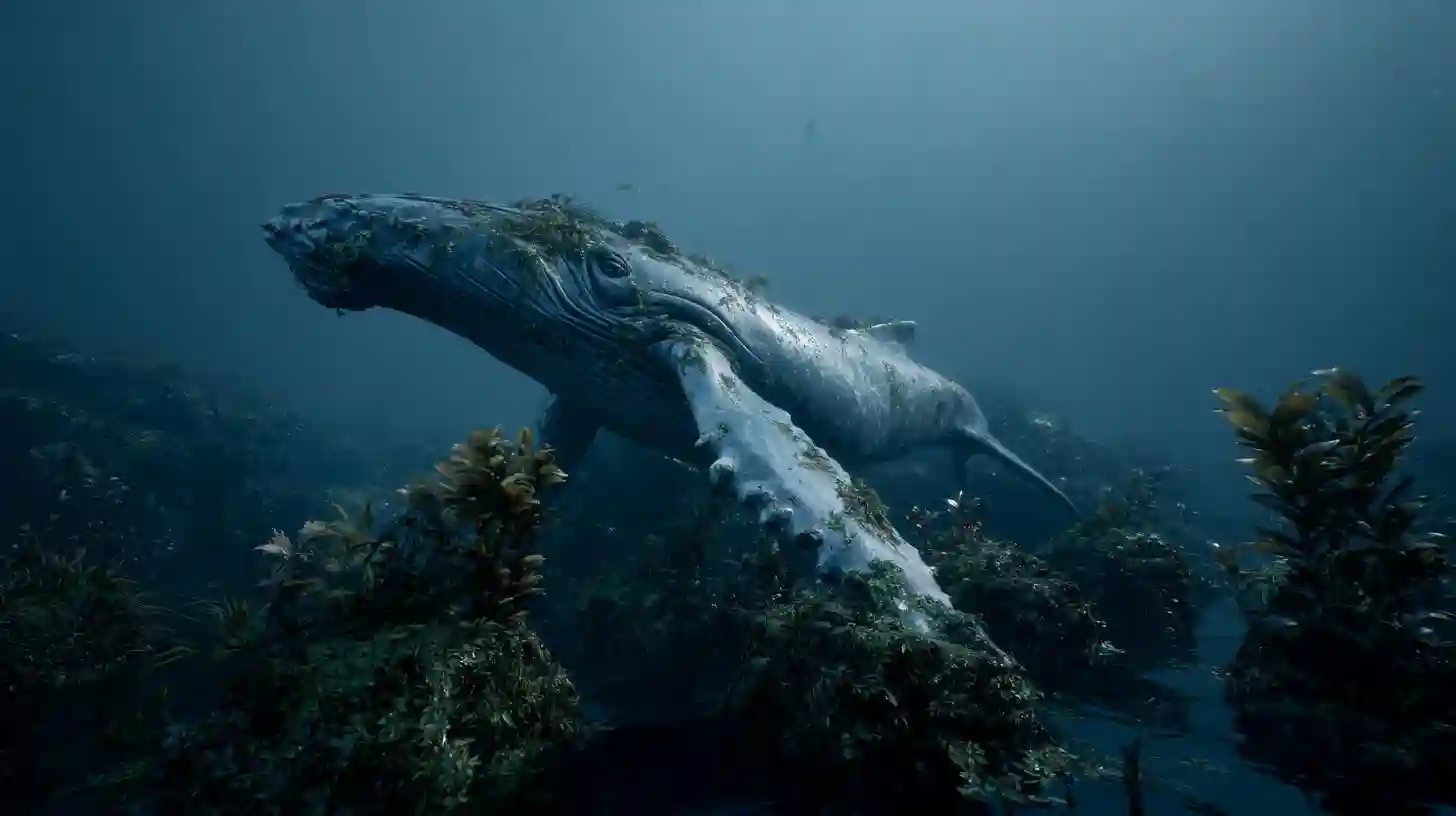
Whale falls are a phenomenon in ocean ecosystems that are both fascinating and ecologically significant. When a whale dies and sinks to the ocean floor, it creates a unique and complex ecosystem that provides vital nutrients for many species. This process begins when the massive carcass descends to the deep ocean, creating a significant change in the surrounding environment. As it decomposes, it offers a rich source of food for a wide variety of organisms, supporting a dynamic community of creatures that rely on the whale’s body as their primary food source for an extended period.
The first stage of decomposition involves the rapid colonization of scavengers such as deep-sea sharks, crabs, and various species of fish. These creatures feed on the whale’s flesh, breaking down the soft tissues, and in doing so, they begin the process of transferring energy from the carcass into the food chain. This stage can last for months, with the decomposing whale attracting a range of organisms that are adapted to these extreme conditions. The immense size of the whale means that it provides a long-lasting food source, which is vital for species that live in the nutrient-poor depths of the ocean. Without such events, these organisms might struggle to survive due to the scarcity of food in the deep sea.
As the initial scavengers consume the soft tissue, the skeleton of the whale remains, and a new phase of decomposition begins. This is known as the "skeleton stage," which can last for years. During this time, a range of smaller organisms like bacteria, worms, and other microorganisms move in to feed on the bones. These microbes and invertebrates slowly break down the whale’s skeletal structure by releasing enzymes that facilitate the process of mineralization. This stage plays a crucial role in recycling nutrients such as calcium and phosphorus into the surrounding environment, enriching the ocean floor and sustaining other forms of life. It is during this phase that the whale fall becomes a hotbed of biological activity, with the community around it growing increasingly diverse as it supports a unique array of species.
In addition to providing nutrients for scavengers and decomposers, whale falls also serve as an important anchor in the deep-sea food web. The ecosystem that develops around a whale fall is often completely isolated from the sunlit zone of the ocean, where most life is concentrated. This means that the creatures that thrive around a whale fall are adapted to living in complete darkness, at extreme pressures, and in waters that are very cold. The complexity of these communities is remarkable. Some species are found exclusively in these environments, evolving traits that enable them to survive the unique conditions created by a whale fall. For example, certain types of bacteria are capable of utilizing the fats and oils from the whale carcass, forming the foundation of the food web for other deep-sea creatures.
Over time, the nutrients released by the whale carcass become dispersed into the surrounding ecosystem, benefiting a wide range of species. These nutrients support not only the creatures living near the whale fall but also contribute to the broader deep-sea environment. In some cases, the whale fall can even have an impact on the distribution of species over larger areas. The decomposition process creates a temporary but highly productive oasis in an otherwise barren landscape, attracting a variety of organisms and facilitating the movement of nutrients in a previously nutrient-deprived region.
One of the most extraordinary aspects of whale falls is the role they play in supporting biodiversity in the deep ocean. While these ecosystems are ephemeral, lasting only as long as the carcass does, they contribute to the overall health and balance of oceanic ecosystems. The whales themselves, when alive, are already an integral part of the marine environment, but upon their death, they give back to the ecosystem in a way that continues to support life long after they have passed. Their fall to the ocean floor is not just a moment of decay; it is a transformation that fuels the creation of vibrant, complex ecosystems that sustain many different forms of life.
Whale falls are an example of the interconnectedness of life and death in nature. The deep sea, which is often thought of as a dark, desolate place, is in fact a dynamic environment where even in death, the largest creatures on Earth play an essential role in sustaining other forms of life. The ecological impact of whale falls cannot be overstated; they create unique habitats, support diverse biological communities, and contribute to nutrient cycling in the ocean. The process is a testament to the resilience and interdependence of life, showing how even in the final stages of an organism’s life cycle, it continues to have a profound influence on the environment around it.