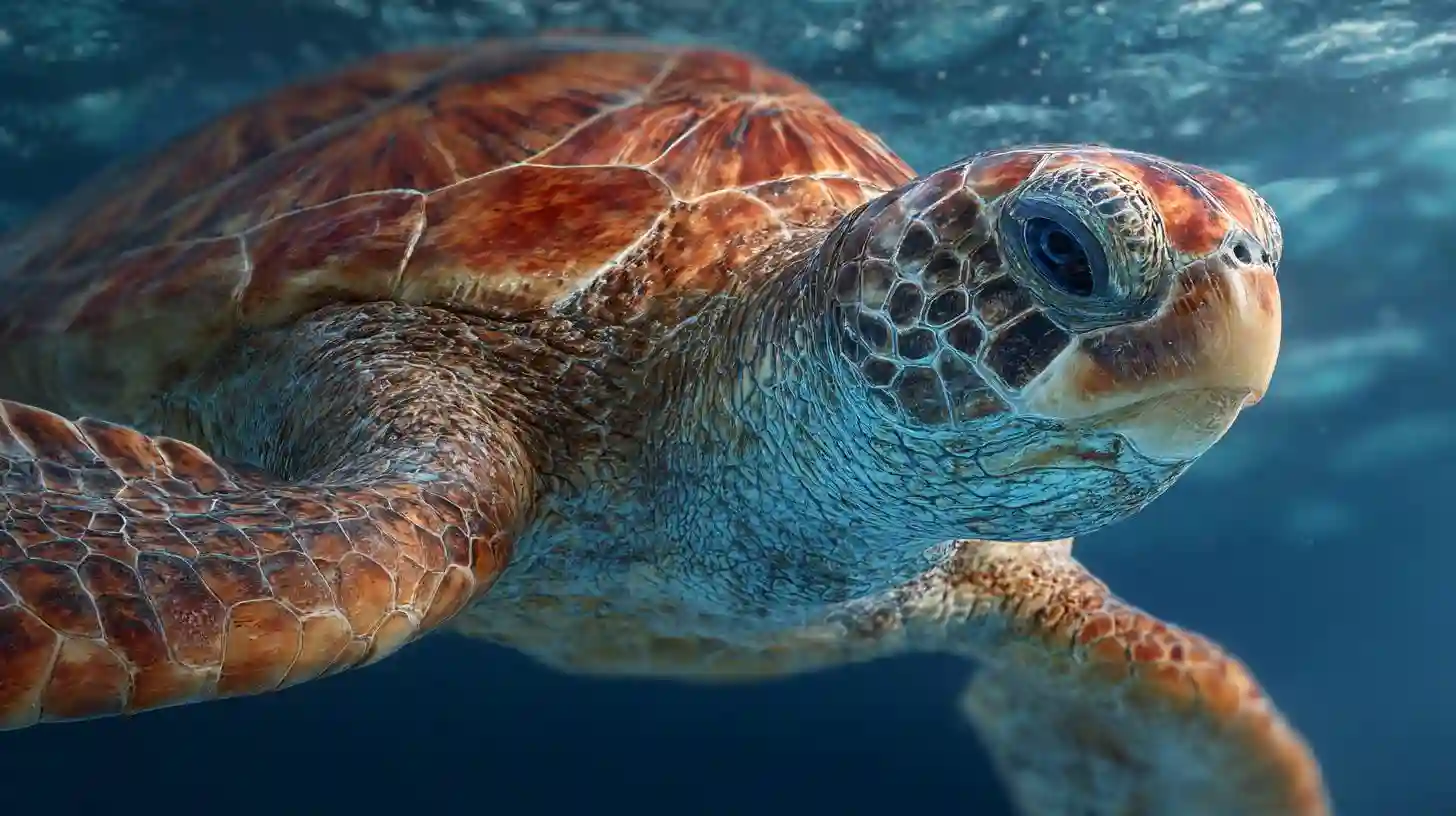
Turtles, with their ancient lineage and resilient nature, have long captured the fascination of people around the world. Their slow, deliberate movements and quiet grace evoke a sense of reverence, while their survival in the face of numerous challenges symbolizes endurance and adaptation. These remarkable creatures, often referred to as "Elders of the Ocean," have become more than just subjects of curiosity; they have emerged as powerful symbols in global conservation efforts, inspiring environmental movements and creating meaningful dialogue about the state of our planet's ecosystems.
One of the key reasons turtles have garnered such admiration in conservation circles is their vital role in marine ecosystems. Sea turtles, for example, serve as indicators of the health of oceanic environments. The migration patterns, feeding habits, and even nesting sites of these creatures offer insight into the well-being of our seas. When sea turtles flourish, it is often a sign that ocean ecosystems are relatively stable, as these animals are sensitive to changes in water quality, food availability, and temperature. Their declining numbers, however, can be a harbinger of environmental distress, signaling that something is amiss in the delicate balance of the marine world.
As charismatic megafauna, turtles hold a unique position in the public imagination, making them effective ambassadors for ocean conservation. Through the widespread appeal of these creatures, organizations have been able to raise awareness about issues such as habitat destruction, bycatch in fishing nets, and climate change, all of which disproportionately affect turtle populations. The image of a turtle swimming gracefully through the oceans or nesting on sandy beaches evokes a deep emotional connection with people, motivating them to take action. These actions range from supporting legislation to protect turtle habitats to participating in beach cleanups or advocating for sustainable fishing practices.
The plight of turtles has prompted international collaboration on a scale that few other species have achieved. From the Caribbean Sea to the coasts of Southeast Asia, countries have come together to protect nesting sites and to create marine protected areas where turtles can feed, breed, and grow without the threat of human interference. Global treaties and conventions, such as the Convention on International Trade in Endangered Species (CITES), have worked to regulate the trade of turtle shells, meat, and other parts, ensuring that these creatures are not exploited for profit. This international approach reflects the realization that the fate of these creatures is not confined to a single nation but rather depends on collective action to address the broader environmental threats they face.
One of the most compelling aspects of the turtle's symbolism in conservation is their deep connection to indigenous cultures and traditional knowledge. In many coastal communities around the world, turtles have been revered for centuries, not just for their ecological importance, but also for their cultural significance. For indigenous peoples, turtles often represent wisdom, longevity, and the interconnectedness of life. The practice of turtle conservation, then, is not only about protecting an animal but also about honoring cultural traditions that have sustained human societies for generations. This intersection of environmental and cultural conservation enriches the global movement, creating a deeper sense of meaning and responsibility for the protection of these animals.
Turtles also serve as a reminder of the fragility of life on Earth and the urgency of conservation efforts. Despite their ancient origins, many species of turtles are now threatened or endangered due to human activity. Habitat loss due to coastal development, pollution, and the rise in global temperatures caused by climate change all present significant threats to turtle populations. As sea levels rise and nesting beaches become inundated with water, the ability of turtles to reproduce successfully is compromised. The struggle for survival is increasingly complex, with turtles needing to adapt to rapidly changing conditions that may be beyond their natural capacity.
Yet despite the numerous challenges, turtle conservation efforts have yielded hopeful results. Programs focused on protecting nests, restoring habitats, and reducing bycatch have shown promising signs of recovery in some areas. The efforts of local communities, scientists, and organizations have demonstrated that when people work together to protect turtles, they can make a tangible difference. The ongoing fight to protect these magnificent creatures continues, as does the effort to secure the health of the ecosystems that support them. In this sense, the survival of turtles is inextricably linked to the broader survival of our planet’s oceans.
Turtles teach us patience, resilience, and the importance of long-term thinking in conservation. They remind us that the health of the planet is not just a matter of immediate action but of sustained effort over time. Their struggles and successes reflect the broader challenges we face in protecting the environment, offering both a stark warning and a hopeful vision for the future. Through the lens of turtle conservation, we can see how interconnected all life is, and how the preservation of one species can ripple outward, benefiting ecosystems, communities, and future generations. The journey of the turtle, slow and steady, is a powerful metaphor for the path humanity must take toward ensuring the continued health of the Earth.