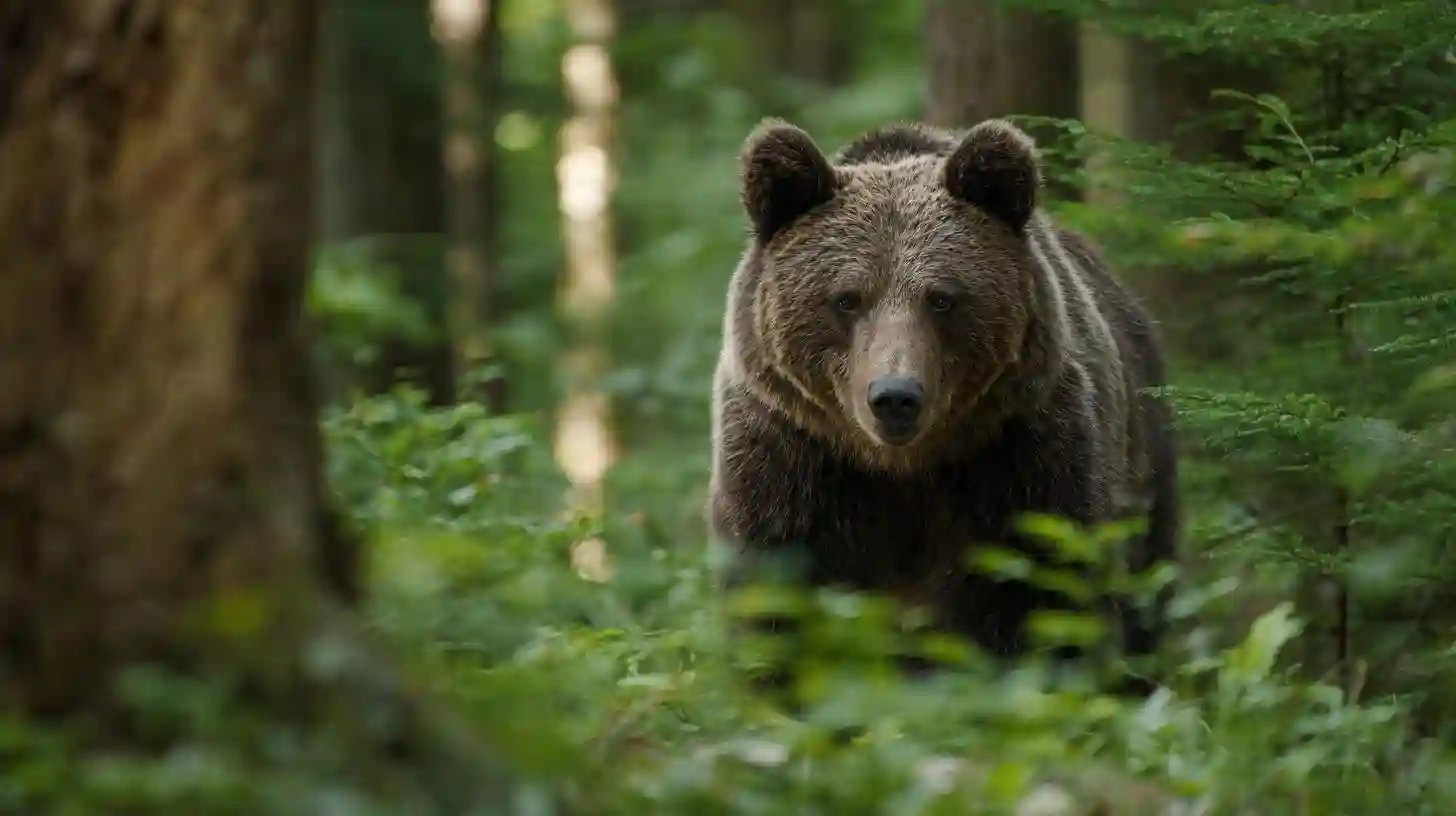
Brown bears are one of the most powerful and influential species in forest ecosystems, occupying an essential role in maintaining the balance and health of their environment. Their presence in the wild is not only a symbol of wilderness but also a critical factor that shapes the structure and functioning of forest habitats. With their varied diet, large range, and complex behaviors, brown bears affect many aspects of the ecosystems they inhabit, from the vegetation to the populations of other wildlife.
As apex predators, brown bears have a significant impact on the food web. They are opportunistic feeders, meaning they consume a wide variety of foods, from berries and roots to fish and small mammals. By foraging for different types of food, brown bears help control the populations of plants, animals, and insects in their surroundings. For instance, their feeding habits can influence the growth and spread of certain plants, as they often uproot plants while digging for roots or consuming large quantities of berries. This, in turn, affects the vegetation composition and overall plant health in the area. Through their varied diet, brown bears maintain a dynamic relationship with the environment that benefits many species of flora and fauna.
In addition to their role as consumers, brown bears contribute significantly to nutrient cycling within forest ecosystems. When bears scavenge carcasses or consume large amounts of fish, they disperse nutrients throughout the forest. For example, bears that fish in streams often drag their catch into the forest, where they consume part of it and leave the remains behind. This decaying organic matter provides nourishment for other organisms, such as insects, fungi, and scavengers, which feed on the leftovers. These nutrients then enter the soil, enriching it and supporting plant growth. Without brown bears, these important nutrient cycles would be disrupted, leading to a decline in ecosystem health.
Brown bears also have a significant impact on the populations of other species, both directly and indirectly. As top predators, they help regulate the numbers of other animals, such as deer and smaller carnivores, keeping their populations in check. This predator-prey dynamic prevents certain species from becoming overabundant, which could lead to overgrazing or depletion of resources. For example, by hunting smaller mammals and scavenging carcasses, brown bears reduce competition for food among other carnivores, such as wolves or foxes. Furthermore, by consuming deer or other herbivores, brown bears prevent these populations from becoming too numerous, which could lead to overgrazing of vegetation and loss of plant biodiversity.
The presence of brown bears also influences the behavior of other species in the forest. Many animals, especially smaller mammals, have evolved strategies to avoid bears and reduce competition for resources. The scent of a bear, for instance, can cause smaller animals to relocate to different areas, thus reducing their overlap with bear territories. This shifting behavior can help maintain a diverse array of species in the ecosystem. Moreover, bears, by occupying their place at the top of the food chain, set the stage for a balanced distribution of species, where each has its niche, and the entire ecosystem remains more resilient to environmental changes.
Another way brown bears influence the ecosystem is through their denning behavior. During the winter months, brown bears hibernate in dens that they have carefully selected and prepared in the forest. The act of denning itself can affect the surrounding area, as the bears often choose sites that provide shelter and protection for other animals. These dens, which are often located in remote, quiet areas, can provide refuge for a variety of species during harsh conditions. The presence of a bear den may even foster biodiversity in certain regions, as the surrounding environment becomes a safer habitat for smaller creatures to inhabit.
The ecological importance of brown bears is also reflected in the way their absence or decline can disrupt entire ecosystems. In areas where brown bears have been overhunted or have disappeared, researchers have observed a rise in the populations of other predators, such as wolves, or an increase in herbivore numbers. These shifts can lead to imbalances in vegetation growth, soil quality, and animal populations. In some cases, the loss of brown bears can even affect plant species that rely on the dispersal of seeds or nutrients by the bears. Thus, maintaining a healthy population of brown bears is essential for the stability of forest ecosystems.
Overall, the dominance of brown bears in the forest is not just a testament to their physical strength but also to their crucial role in the web of life that sustains the health of the ecosystem. Their activities, whether through their diet, interactions with other species, or influence on nutrient cycles, create a complex balance that ensures the survival of numerous organisms within the forest. By protecting these majestic creatures, we are also safeguarding the intricate systems they help maintain, ensuring that the forests they inhabit continue to thrive for generations to come.