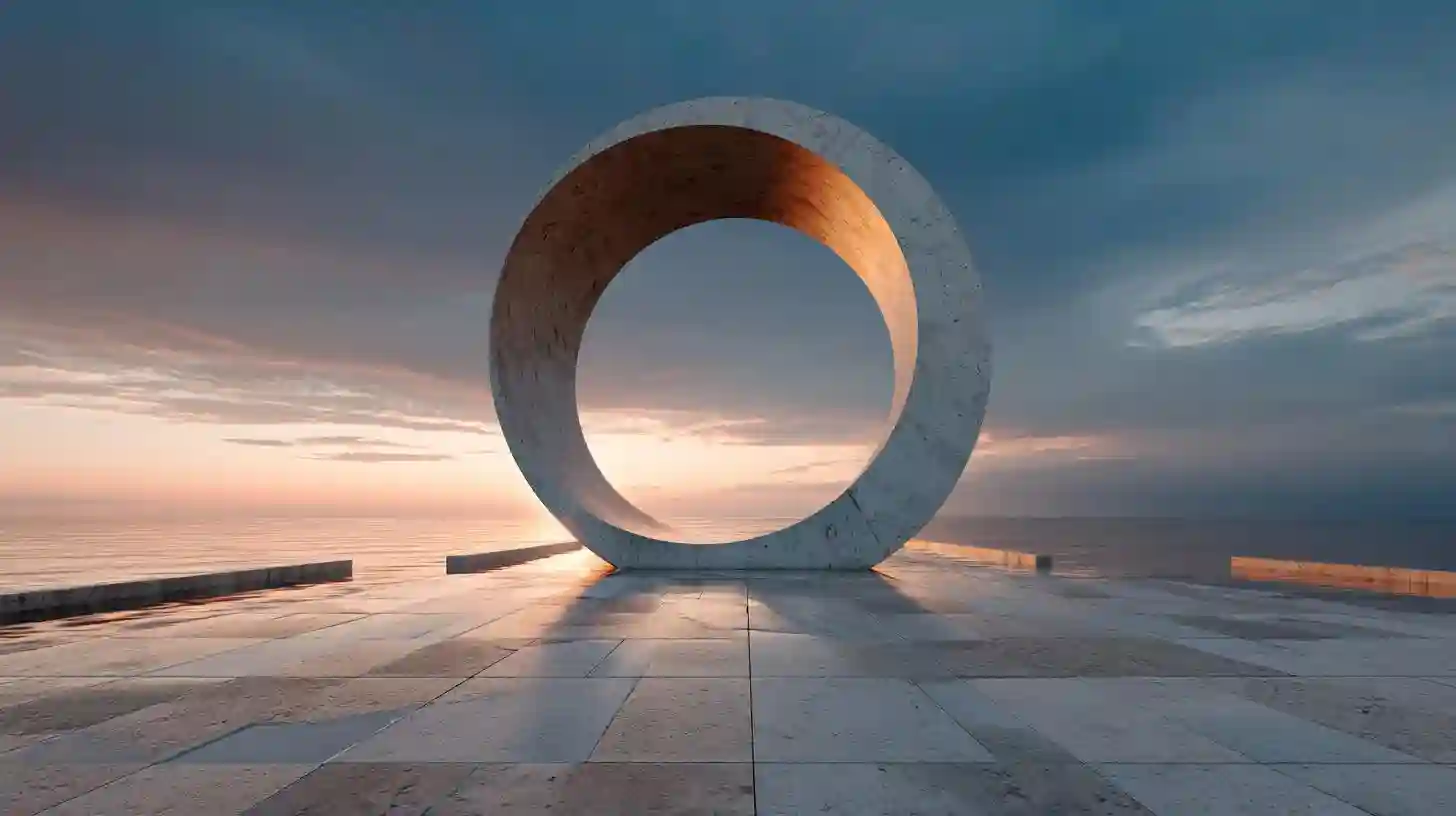
Long exposure photography is reshaping the landscape of visual art by offering a unique way to capture time and movement in a still image. Traditional photography often freezes a moment, presenting a single, fleeting instant. Long exposure, on the other hand, stretches that moment, allowing the photographer to convey a sense of time, atmosphere, and motion in a single frame. This method requires using a slow shutter speed, often spanning several seconds or minutes, and can transform everyday scenes into dreamlike compositions.
One of the primary advantages of long exposure photography is its ability to capture the passage of time. When photographing moving elements such as water, clouds, or traffic, the camera records the movement, creating a ghostly, fluid effect that contrasts with the stillness of the surrounding environment. For example, the smooth, ethereal look of a waterfall or the sweeping lines of car lights in the dark not only depict the subject but also evoke a feeling of motion and transformation that a standard photograph could never express. This ability to transform mundane scenes into surreal, time-altered compositions is what makes long exposure photography so compelling to both the artist and the viewer.
The technique also opens up new possibilities for playing with light. By leaving the shutter open for extended periods, photographers can capture light trails created by artificial sources like streetlights, stars, or even the headlights of a passing car. This manipulation of light is essential in many long exposure shots, where the photographer seeks to highlight contrasts between illuminated areas and dark spaces. Urban environments, in particular, offer a playground for experimenting with light, where long exposures can turn a busy, chaotic scene into something serene and otherworldly.
Long exposure photography also challenges conventional perceptions of time and space. By extending the moment captured, the technique creates a bridge between the present and an imagined past or future. This is particularly true in landscape photography, where the photographer can create a sense of timelessness, as though the scene has been perpetually in motion, or perhaps frozen in an eternal moment. The changing light and shifting weather conditions also play a vital role in the final image, adding layers of depth and mystery to the composition. For example, a long exposure of a sunset may show the sky as a sweeping gradient of colors, while clouds drift by in a soft blur, creating a profound sense of peace and fluidity.
This approach to photography is not just about technical expertise; it is a philosophical shift in how artists approach their medium. It encourages patience and foresight, as the photographer must envision the final image and anticipate how the elements will unfold over time. The process requires a deep understanding of light, motion, and timing, as well as a willingness to embrace the unexpected. Long exposure images can be unpredictable, as variations in weather, lighting, and even slight camera movements can dramatically alter the outcome. This element of chance adds an element of spontaneity and creativity that is both exciting and liberating for artists.
Moreover, the rise of digital cameras and advanced editing software has further revolutionized long exposure photography. These tools allow photographers to experiment with longer exposures in real-time, while also enabling them to manipulate the final image in ways that were once impossible with film. The ability to adjust and fine-tune exposures, light balances, and even remove or add elements after the shot has been taken gives artists unprecedented control over their work. It also means that what was once a niche technique reserved for a select group of enthusiasts has now become accessible to a broader audience, including amateurs and hobbyists who can experiment without the steep learning curve.
The accessibility and flexibility of long exposure photography have also led to a surge in creative applications. Artists are increasingly using this technique not only in traditional settings like nature and urban landscapes but also in portraiture, abstract photography, and even conceptual art. Long exposure allows photographers to capture movement within a static subject, transforming human figures into a blur of motion or creating haunting, surreal representations of emotion and identity. The technique has also found a place in digital art and mixed media, where photographers combine long exposure images with other forms of expression, such as painting or video, to explore the intersection of time and experience in novel ways.
Ultimately, long exposure photography is not merely a technical skill or a passing trend but a profound tool for artistic expression. It empowers photographers to tell stories about time, memory, and the unseen forces that shape the world around us. Whether capturing the stillness of a night sky, the motion of the ocean, or the busy pulse of a city, long exposure opens up an entirely new dimension of creativity and imagination. It challenges both the artist and the viewer to see the world differently, reminding us that time is not static and that moments can hold far more than what appears on the surface.