Capturing breathtaking landscape photos requires more than just a camera; it requires an understanding of light, composition, timing, and technique. One of the first steps in taking stunning landscape photos is choosing the right location. The best landscapes are often those that showcase the beauty of natural surroundings, from sweeping mountain ranges to tranquil lakes or dense forests. Before heading out, it's important to research potential locations to find the best vantage points and the most dramatic scenes. Websites, photography forums, and apps that track weather and lighting conditions can help identify ideal spots.
When it comes to equipment, a DSLR or mirrorless camera will provide the most control over your settings and offer the highest quality results. However, even a good smartphone with a quality camera can be used to take impressive landscape photos. The key is knowing how to use the camera's settings and understanding what conditions produce the best results. Lenses also play a critical role. A wide-angle lens is often the go-to choice for landscape photography as it allows for expansive shots that encompass a large area. This lens works well for capturing sweeping vistas, giving the image depth and perspective. A longer focal length lens can be used to isolate specific elements of the landscape, such as a distant mountain peak or a lone tree.
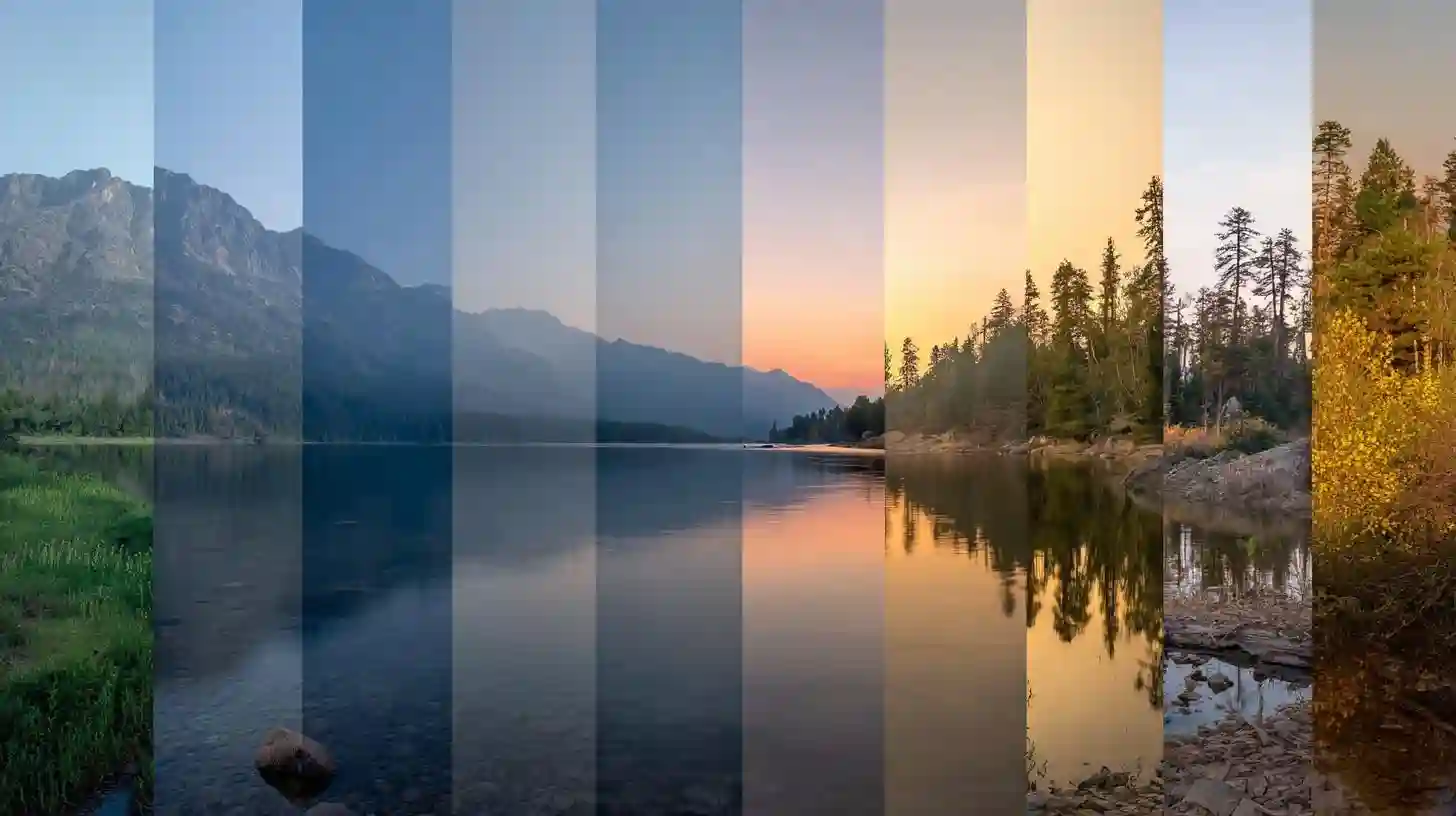
The time of day is another crucial factor when it comes to landscape photography. The golden hours, just after sunrise and just before sunset, provide soft, warm light that adds depth and dimension to the scene. The light at these times is diffused, meaning shadows are softer, and highlights are not as harsh, which gives the image a more balanced and natural feel. The blue hour, the time just before sunrise or after sunset, also offers dramatic lighting that can enhance the mood of a photo. Shooting during midday can result in harsh lighting, but it can also produce high-contrast images that emphasize textures and shapes.
A key element of landscape photography is composition. One of the most important techniques is using the rule of thirds, where the image is divided into a 3x3 grid, and the main elements of the photo are placed along these lines or their intersections. This technique can make an image more dynamic and pleasing to the eye. It’s also important to think about leading lines. These can be natural elements such as rivers, roads, or fences, or they can be created by the contours of the land. Leading lines help draw the viewer's eye into the photograph and give the image a sense of depth and movement.
Foreground interest is another important consideration. Including a strong foreground element in your composition can help anchor the image and create a sense of scale. Whether it’s a rock, a patch of flowers, or a weathered fence, the foreground helps guide the viewer’s eye through the frame and adds context to the scene. In addition, varying the levels in your composition, such as using a hill in the foreground and distant mountains in the background, can add layers to the image and make it feel more three-dimensional.
The use of filters can also elevate your landscape photography. A polarizing filter can reduce glare from water or wet surfaces and help enhance the colors in the sky and foliage. This is especially useful when shooting in bright sunlight. A graduated neutral density filter can help balance exposure in scenes where the sky is much brighter than the foreground, ensuring that both the sky and the land are properly exposed.
Focus is an essential component in landscape photography. Often, landscape photos require a wide depth of field to keep everything in focus from the foreground to the background. To achieve this, use a smaller aperture, such as f/8 or f/11. This will increase the depth of field and ensure that most of the scene is sharp. Be mindful of hyperfocal distance, which is the closest distance at which you can focus while keeping everything in the frame sharp. Using a tripod is a good practice, especially in low light conditions, to ensure that your images are sharp and free from motion blur.
Post-processing can significantly enhance the final outcome of a landscape photo. Even the best photographers use editing software to fine-tune their images. Subtle adjustments to contrast, saturation, and exposure can make the colors pop and add depth. For instance, enhancing the blue of the sky or increasing the vibrancy of the greenery can make the landscape appear more vivid and lively. It’s important to avoid over-processing, as this can make the image look unnatural. The goal of post-processing should always be to bring out the beauty of the landscape, not to create an artificial look.
Lastly, patience is a key ingredient in capturing stunning landscape photos. Nature can be unpredictable, and the perfect shot may require waiting for the right moment when the light, weather, and conditions align. Being prepared to adapt to changing conditions, whether it’s adjusting settings on the fly or waiting for a passing cloud to enhance the scene, is part of the artistry of landscape photography.