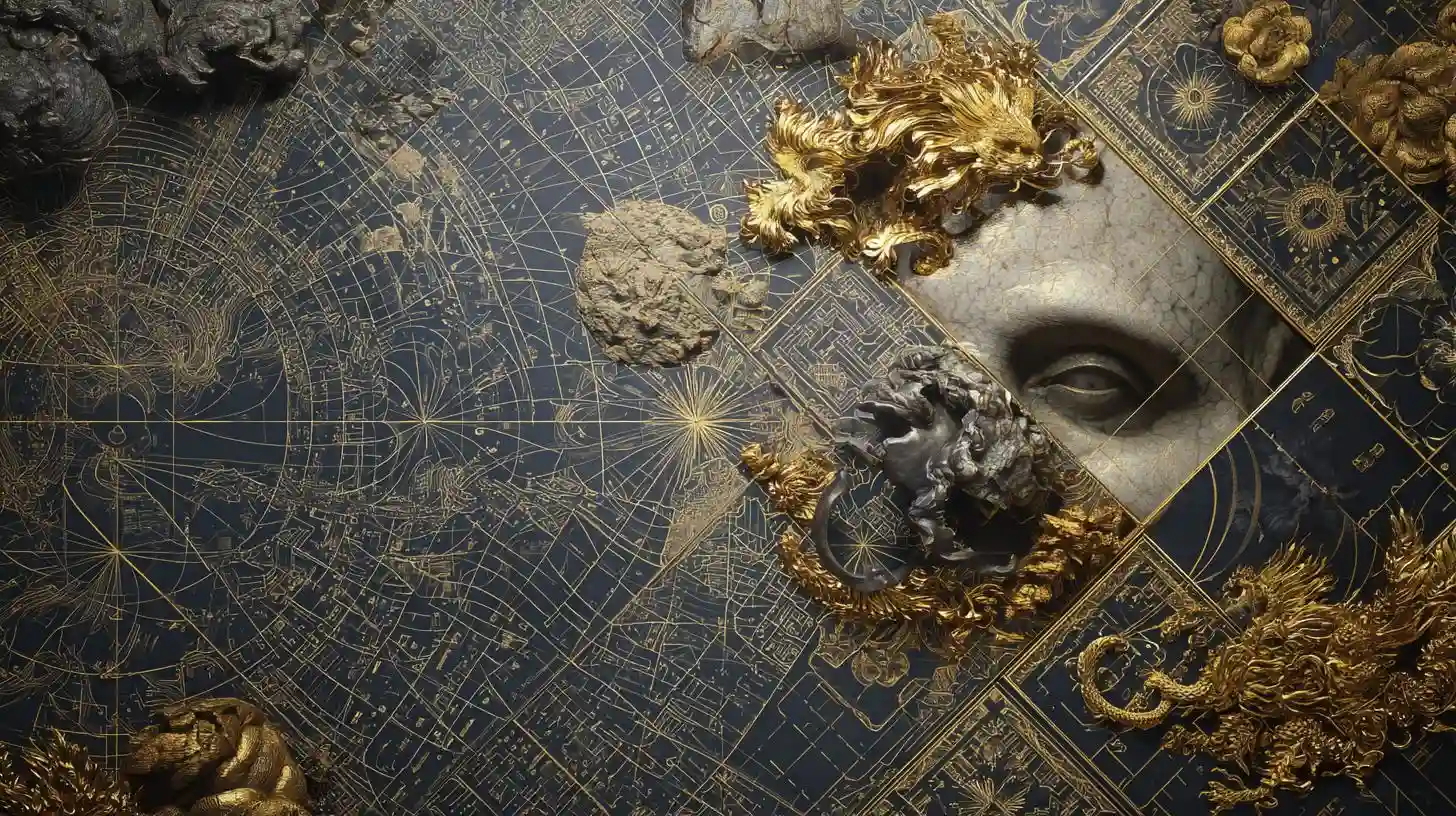
The visual arts encompass a wide range of artistic expressions, each offering its unique approach to creativity and visual storytelling. From the most traditional forms, such as painting and sculpture, to newer mediums like digital art and installation works, the diversity within the visual arts is remarkable. Artists have used various techniques and materials throughout history to convey their ideas, challenge perceptions, and evoke emotions.
One of the most prominent styles in art history is realism, which aims to depict subjects as accurately and truthfully as possible. Realism emerged in the mid-nineteenth century, with artists like Gustave Courbet and Jean-François Millet at the forefront of this movement. These artists rejected the idealized representations often seen in earlier art and instead focused on everyday life, portraying peasants, workers, and common people with dignity and honesty. Realism was not just a style but a philosophical stance, embracing the idea that art should reflect the true nature of the world, without idealization or exaggeration.
On the other side of the spectrum, impressionism marked a radical departure from traditional techniques. Pioneered by Claude Monet, Pierre-Auguste Renoir, and Edgar Degas, impressionism focused on capturing fleeting moments, especially the effects of light and color. The goal was not to create precise representations but rather to convey the artist’s immediate perception of a scene, often using loose brushstrokes and vibrant colors. The Impressionists often painted outdoors, taking advantage of natural light, which led to a more spontaneous and less controlled style. This movement revolutionized the art world and paved the way for modern art.
Cubism, developed by Pablo Picasso and Georges Braque in the early twentieth century, took abstraction to new heights. This style broke down objects into geometric shapes and multiple viewpoints, challenging the traditional perspective and representation. Instead of showing a subject from a single, fixed viewpoint, cubism aimed to present multiple angles simultaneously, creating a fragmented but dynamic image. The result was a visually complex yet fascinating style that forced viewers to engage with the artwork in a more analytical way, questioning how we perceive space, time, and form.
Fauvism, another influential art movement, is characterized by bold, exaggerated colors and strong brushwork. Henri Matisse and André Derain were the leading figures in this movement, which sought to express emotions through the use of vivid, non-naturalistic color. Fauves, or "wild beasts," as they were called, rejected the subdued palettes of their predecessors, using color not just to represent the world but to convey mood and emotion. Fauvism was short-lived, but it had a significant impact on the development of modern art, influencing movements like expressionism and abstract art.
Surrealism, a movement that emerged in the 1920s, took visual art in yet another direction, this time into the realm of the unconscious mind. Led by artists such as Salvador Dalí, René Magritte, and Max Ernst, surrealism sought to explore the irrational, the dreamlike, and the bizarre. Artists used distorted imagery, unexpected juxtapositions, and strange landscapes to evoke the power of the subconscious. Surrealism sought to break free from the constraints of reality and logic, embracing the freedom of imagination and the strange beauty of the unreal.
Pop art, a movement that emerged in the mid-twentieth century, brought everyday consumer culture into the realm of high art. Led by figures like Andy Warhol, Roy Lichtenstein, and Jasper Johns, pop art used popular imagery—such as advertisements, comic strips, and mass-produced goods—as subjects for artistic exploration. Pop artists challenged the boundaries between fine art and popular culture, questioning the value and meaning of mass-produced images. Warhol’s famous Campbell's soup cans and Lichtenstein’s comic-inspired works are just two examples of how pop art transformed everyday objects into iconic pieces of art.
In addition to these traditional and modern styles, the digital age has brought about new forms of visual art, such as digital painting, 3D modeling, and video art. Digital artists use software and technology to create works that can be displayed on screens or printed onto various materials. These pieces can range from abstract digital compositions to interactive installations that allow the viewer to engage with the artwork in real-time. The possibilities for digital art are endless, and it continues to expand the boundaries of what is considered art.
Beyond the different movements and styles, visual art has always had the ability to captivate, challenge, and inspire. Fun facts about art reveal just how fascinating this world can be. For instance, did you know that the Mona Lisa’s smile is often said to change depending on the angle from which you view it? Or that the world’s most expensive painting, Salvator Mundi by Leonardo da Vinci, was sold for over four hundred million dollars in 2017? These fun facts highlight the enduring appeal and cultural significance of visual art, showing how art continues to provoke thought, emotion, and admiration.
Throughout history, art has evolved and adapted to reflect the changing world, and the future promises even more innovation and exploration in the visual arts. Whether it’s through the lens of realism, the abstraction of cubism, the emotional intensity of expressionism, or the technological advances of digital media, the world of visual art remains as vibrant and diverse as ever, constantly pushing the boundaries of human creativity.