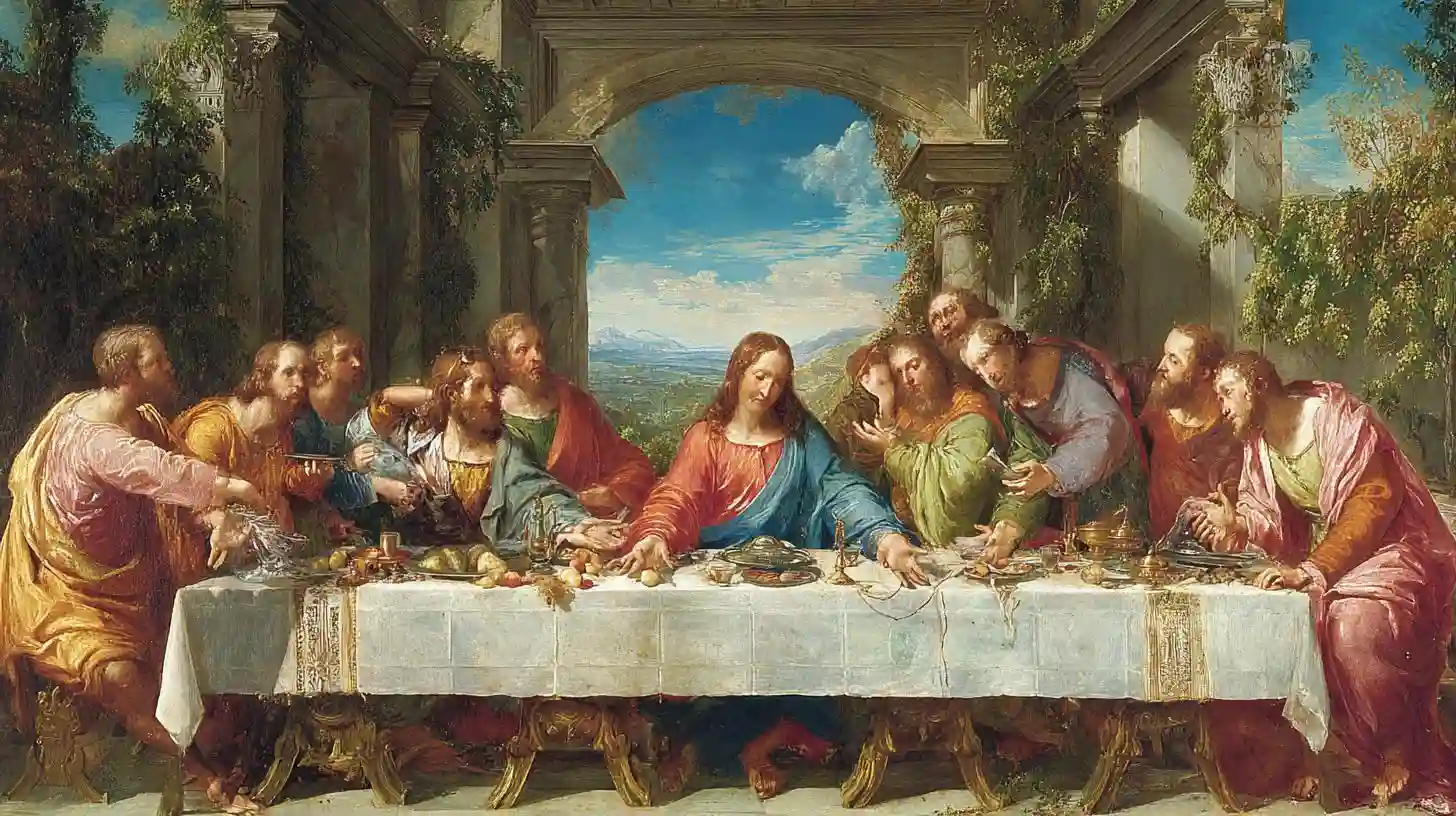
Throughout the centuries, art has served as both a reflection of human culture and an expression of profound emotions, capturing moments in time and leaving lasting impressions on the world. Some works of art have transcended the boundaries of their time and place, becoming icons that are revered across the globe. These paintings, with their unique styles, rich histories, and enduring legacies, have not only shaped the course of art but have also influenced entire generations of artists and viewers alike.
One of the most universally recognized paintings is the enigmatic portrait of a woman by Leonardo da Vinci. Known for her mysterious smile, the "Mona Lisa" has captivated audiences since its creation in the early 16th century. Displayed in the Louvre Museum in Paris, the painting is notable not just for its beauty, but for the sense of intrigue it evokes. The subtle play of light and shadow, the sophisticated use of sfumato, and the elusive expression of the subject make it one of the most analyzed artworks in history. Its fame is augmented by its story of theft in 1911, which only heightened its mystique.
Another masterpiece that has endured for centuries is Vincent van Gogh's "Starry Night," painted in 1889. The swirling sky, vibrant hues, and dramatic contrasts of light and shadow create an otherworldly atmosphere that seems to pulse with energy. Van Gogh's unique brushwork and emotional intensity captured in this piece have made it one of the most beloved paintings of the post-impressionist movement. Today, it resides in the Museum of Modern Art in New York, drawing visitors from all over the world who are moved by its beauty and melancholy.
In a completely different vein, Pablo Picasso’s "Guernica," painted in 1937, is a haunting symbol of the horrors of war. This large-scale mural, filled with distorted figures and chaotic imagery, was created as a response to the bombing of the Spanish town of Guernica during the Spanish Civil War. Picasso’s cubist style and his use of monochrome tones reflect the devastation and suffering caused by the attack. "Guernica" is not just a painting; it is a powerful political statement that resonates with the trauma of war and has become an emblem of peace and resistance.
For centuries, "The Persistence of Memory" by Salvador Dalí has intrigued viewers with its surreal landscapes and warped timepieces. Painted in 1931, this masterpiece is often considered one of the defining works of surrealism. Dalí’s ability to merge the dream world with the real world through distorted, melting clocks and a barren, almost alien landscape challenges our perception of reality. The painting invites viewers to ponder the nature of time, memory, and existence, themes that Dalí explored throughout his career.
The "Girl with a Pearl Earring" by Johannes Vermeer is another painting that has intrigued art lovers for centuries. Painted around 1665, the work portrays a young woman in an exotic, almost mysterious pose, with a strikingly large pearl earring as the focal point. Vermeer’s mastery of light and shadow, combined with his delicate portrayal of the subject’s gaze, gives the painting an air of timeless beauty. The identity of the girl remains a mystery, and this uncertainty adds to the allure and intrigue surrounding the painting, which is housed in the Mauritshuis in The Hague.
One cannot discuss iconic paintings without mentioning "The Birth of Venus" by Sandro Botticelli. Painted in the late 15th century, this mythological work captures the moment when Venus, the goddess of love, emerges from the sea. Botticelli’s use of flowing lines, graceful figures, and delicate color palette creates a sense of ethereal beauty that has made this piece a symbol of Renaissance art. The painting, which hangs in the Uffizi Gallery in Florence, captures both the classical ideals of beauty and the humanist spirit of the time.
Michelangelo’s "Creation of Adam," part of the Sistine Chapel’s ceiling frescoes, is one of the most iconic religious images in art history. The image of God reaching out to touch the finger of Adam is an emblem of divine creation and human potential. The painting's composition, with its powerful figures and intricate details, is a pinnacle of Renaissance art, demonstrating Michelangelo’s extraordinary skill in rendering the human form and his deep understanding of theology.
One of the most influential works of the 20th century is "The Scream" by Edvard Munch, a striking representation of existential anguish and inner turmoil. Created in 1893, this expressionist painting depicts a figure on a bridge, its mouth open in a silent scream, set against a tumultuous sky. Munch’s bold use of color and distortion evokes a sense of anxiety and alienation, making it a defining work of modern art that speaks to universal feelings of anxiety and despair.
Among the most famous works of art in history is "The Night Watch" by Rembrandt. Painted in 1642, this massive group portrait of a Dutch militia company is notable for its dramatic use of light and shadow, known as chiaroscuro. Rembrandt’s ability to capture the personalities and interactions of his subjects, combined with his mastery of texture and detail, elevates this painting to a level of storytelling rarely seen in portraiture.
Finally, Claude Monet’s "Water Lilies" series, created between 1914 and 1926, represents the pinnacle of impressionist landscape painting. The series, depicting Monet’s own water garden in Giverny, captures the fleeting beauty of light and color as it reflects off the surface of the water. The soft brushstrokes and vibrant colors create a sense of movement and tranquility, transforming an everyday scene into a mesmerizing study of nature’s impermanence.
These works of art, from the subtle to the bold, have left an indelible mark on the world of art and culture. Through their enduring beauty and timeless significance, they continue to inspire, provoke, and challenge the way we perceive the world around us.