If you’re just starting to play the guitar, it’s normal to feel overwhelmed by all the information out there. But with the right approach and some dedication, you can start playing like a pro. The key is to build strong foundations, practice consistently, and learn techniques that will improve your playing over time. The guitar may seem complicated at first, but as you start mastering its basics, everything will gradually click into place.
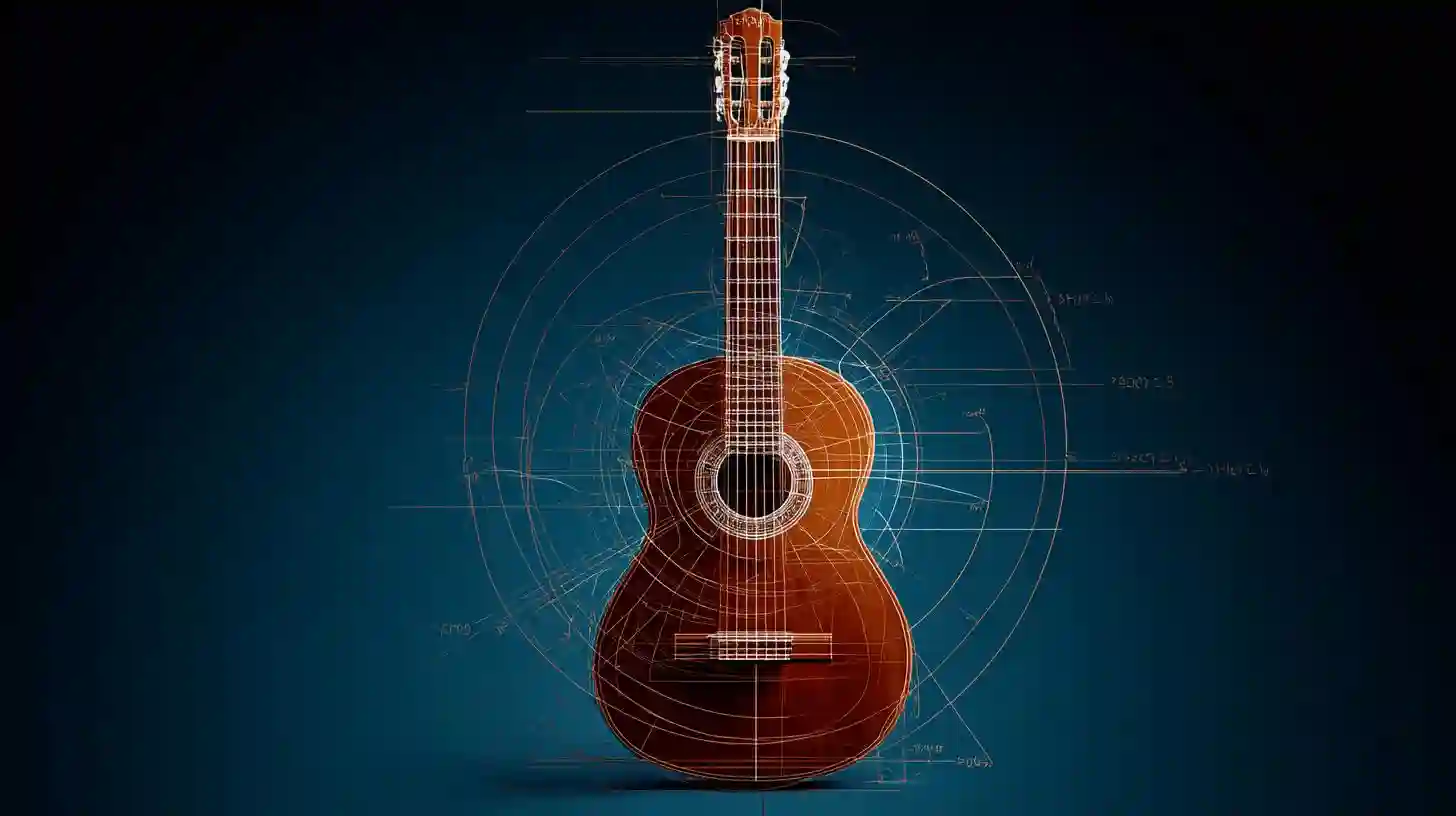
When you first pick up the guitar, understanding the parts of the instrument is crucial. The guitar consists of several components, such as the neck, body, fretboard, strings, and headstock. Familiarize yourself with each of these elements. The strings are numbered from the thinnest to the thickest, and each one produces a different sound depending on its tension. The fretboard is where you press the strings to create different notes. This is important because knowing where to press will allow you to play different chords and scales. Your ability to navigate the fretboard will significantly impact your proficiency.
One of the first skills you should learn is how to tune your guitar. A guitar that is out of tune will sound off, no matter how well you play. You can use a tuner to help you get the pitch right. Each string must be tuned to a specific note, and getting used to tuning your guitar will quickly become second nature as you play more. This is an essential habit for any guitarist, as a guitar that is always in tune will make your practice sessions much more effective.
After tuning, the next step is learning the basic open chords. These are the foundational chords that all beginners should start with. Some of the most common chords include C major, G major, D major, A minor, and E minor. You should aim to learn the proper finger positioning for these chords and practice transitioning between them. At first, it may feel awkward to place your fingers on the fretboard, but with time, you will build muscle memory, and it will become much easier.
Once you are comfortable with the basic chords, it’s important to work on your strumming technique. Strumming is what gives rhythm to your playing and helps bring songs to life. You’ll want to start with simple downstrokes, and then move on to more complex strumming patterns as you progress. To get the feel of rhythm, try playing along with songs that you enjoy. This will help you get used to the tempo and rhythm of different styles of music. Focus on making each strum even and controlled. As you gain confidence, you can incorporate upstrokes, and eventually, you will be able to combine both upstrokes and downstrokes seamlessly.
Next, learn how to read guitar tabs. Guitar tabs are a simplified way of writing music that allows you to see exactly where to place your fingers on the fretboard. Unlike traditional sheet music, guitar tabs show you the specific strings and frets to play. This can be very helpful when learning songs, especially if you’re not familiar with standard notation. Guitar tabs also help you learn scales, solos, and riffs.
As you continue to progress, it’s important to practice regularly. Consistency is key when learning an instrument. Try to set aside time each day for practice, even if it’s just for a short period. Start with a warm-up session, then focus on the techniques you want to improve. You can also challenge yourself by learning new songs, experimenting with different styles, and pushing your limits. Remember that slow and steady progress is better than rushing ahead. It’s okay to make mistakes along the way; they’re part of the learning process.
Another important technique to master is fingerpicking. Fingerpicking involves plucking the strings individually with your fingers rather than using a pick. This technique is essential for playing more intricate and melodic parts of songs. Start by learning the basic fingerpicking patterns. As you become more comfortable, you can begin incorporating fingerpicking into your chord progressions. Practice slowly at first, focusing on accuracy and control. Over time, you’ll be able to play with greater speed and precision.
If you want to take your playing to the next level, start learning scales. Scales are the building blocks of melodies and solos. The most common scale in Western music is the major scale, but there are also minor scales, pentatonic scales, and blues scales. Learning scales helps you understand music theory, and it gives you the ability to create your own melodies and solos. Start with the basic major and minor scales, and practice them in different positions on the fretboard. As you get more comfortable, you can explore more complex scales and modes.
As you continue to grow as a guitarist, remember to explore different genres and styles of music. The guitar is a versatile instrument that can be used in many musical contexts, from rock and pop to classical and jazz. Experiment with different techniques, such as bending notes, sliding, tapping, and hammer-ons/pull-offs. The more you explore, the more you will develop your unique sound and playing style.
Lastly, don’t forget to have fun. Playing the guitar is all about expressing yourself through music. Don’t get too bogged down by technical details. While technique is important, playing the guitar should be an enjoyable and rewarding experience. Whether you’re jamming with friends, playing in a band, or simply strumming for yourself, always remember why you started playing in the first place. Enjoy the journey of learning and let your passion for music drive you to keep improving.