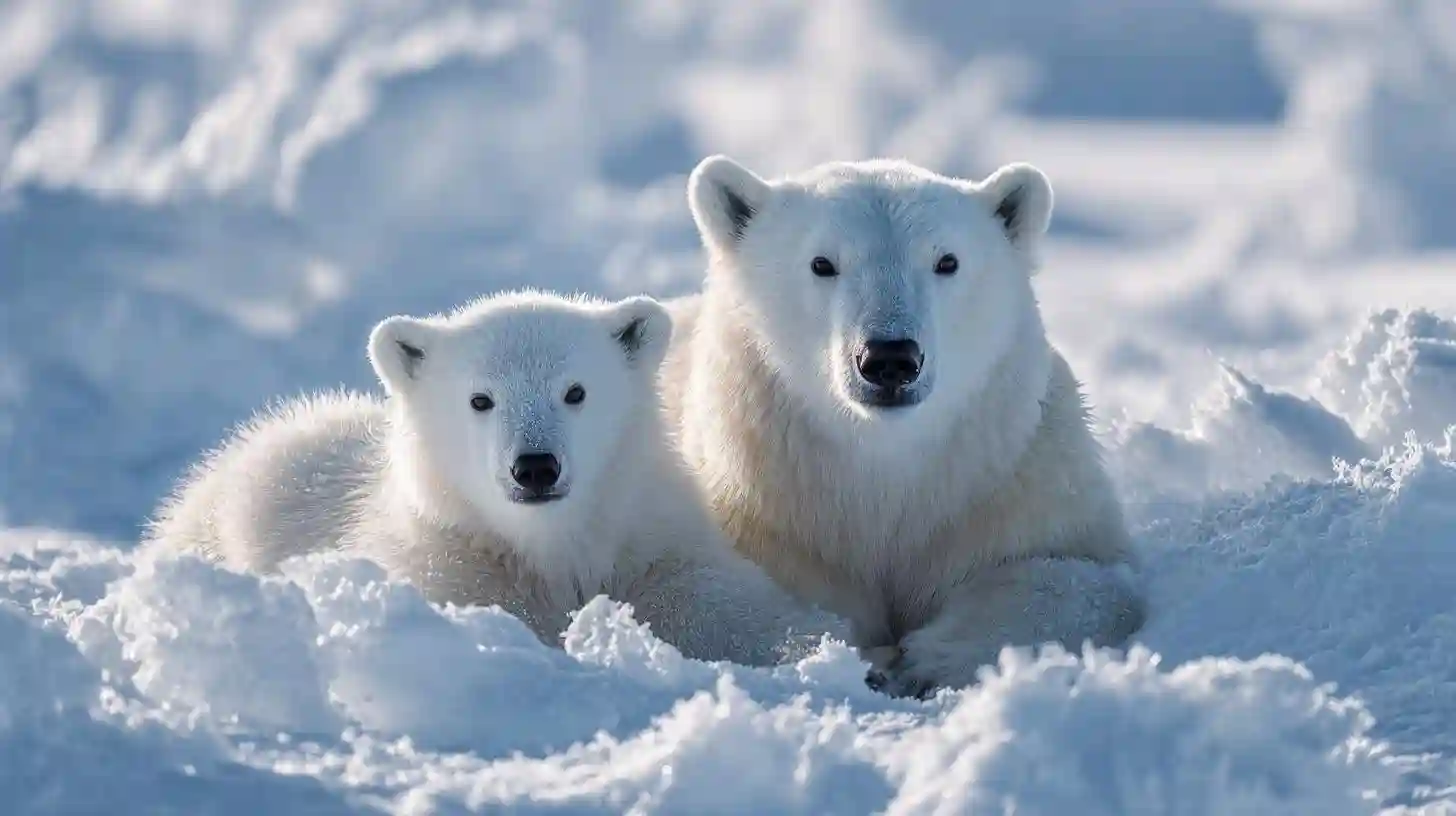
Polar bears are iconic creatures of the Arctic, often symbolizing the fragility of the environment. These majestic animals are uniquely adapted to their harsh, frozen habitat, with thick fur, large paws, and a layer of fat that insulates them against the frigid temperatures. However, as the Arctic warms at an alarming rate, polar bears are increasingly finding themselves in danger. Their survival is tightly linked to the sea ice that they depend on for hunting and breeding. As the ice melts, their hunting grounds are disappearing, and with it, their ability to find food. The loss of sea ice is not just an environmental issue but a humanitarian and ethical concern as well. Efforts to protect polar bears are crucial for the future of these majestic animals, and there are several approaches being undertaken to help them adapt and survive in an ever-changing world.
One of the primary threats facing polar bears is the rapid loss of sea ice due to climate change. As temperatures in the Arctic rise, the ice that covers the ocean melts earlier in the spring and forms later in the fall. This shortened ice season means polar bears have less time to hunt seals, their primary food source. Without enough time to hunt, polar bears are forced to venture farther inland in search of food, putting them at greater risk of conflict with humans and encountering unfamiliar environments that may not provide the nutrition they need. Their long migration patterns are disrupted, and the energy they burn searching for food in new, less familiar places can leave them malnourished or even starving. To combat this, many conservationists and researchers are working on ways to mitigate the effects of climate change, such as lobbying for reduced carbon emissions, which would slow the rate of warming and give the polar bears a fighting chance.
The conservation of polar bears also involves creating and enforcing protected areas where they can live and hunt without disturbance from human activity. Many organizations are calling for the establishment of more marine protected areas in the Arctic, ensuring that critical habitats for polar bears are off-limits to activities like oil drilling, shipping, and commercial fishing. These zones would provide safe spaces where the bears can hunt seals and raise their cubs without the added stress of human interference. Additionally, by reducing human presence in key areas, the risk of polar bear deaths due to vehicle collisions, poaching, or other human-related activities can be minimized.
Another aspect of the rescue efforts for polar bears involves studying their behavior and health in response to the changing environment. By closely monitoring the health of polar bear populations, scientists can better understand how climate change and habitat loss are affecting them. This information is essential for informing conservation strategies and policies. Some researchers are even exploring the use of satellite tracking to better understand the movements of polar bears and the specific areas they rely on for hunting and breeding. By gathering this data, conservation groups can advocate for stronger protections for these areas and ensure that polar bears are given the best chance to adapt to a rapidly changing world.
Education and public awareness also play a vital role in polar bear conservation. Raising awareness about the threats polar bears face and the urgent need for action can inspire individuals and communities to get involved in protecting the Arctic environment. Through campaigns, documentaries, and educational programs, organizations are striving to engage the public and encourage them to make sustainable choices, such as reducing their carbon footprints, supporting wildlife protection efforts, and lobbying governments for stronger climate policies. When people understand the link between their own actions and the survival of polar bears, they are more likely to take steps that help protect these incredible creatures.
Some conservation efforts are also aimed at assisting polar bears directly in the short term, particularly as they struggle to find enough food. Research into innovative solutions, such as providing supplemental feeding or creating artificial platforms that mimic sea ice, is being explored. While these measures may provide temporary relief, they are not a long-term solution. The ultimate goal of conservation efforts must be to protect and restore the polar bears’ natural habitat so that they can thrive without reliance on human intervention.
Rescue efforts for polar bears are a race against time. As the ice continues to melt and the Arctic warms, the challenges for these magnificent creatures grow more severe. By taking action on multiple fronts, from reducing greenhouse gas emissions to creating protected areas and raising public awareness, we can give polar bears the best chance of survival in a rapidly changing world. Only through collective effort and a deep commitment to preserving the Arctic environment can we hope to protect these giants of the north for future generations.