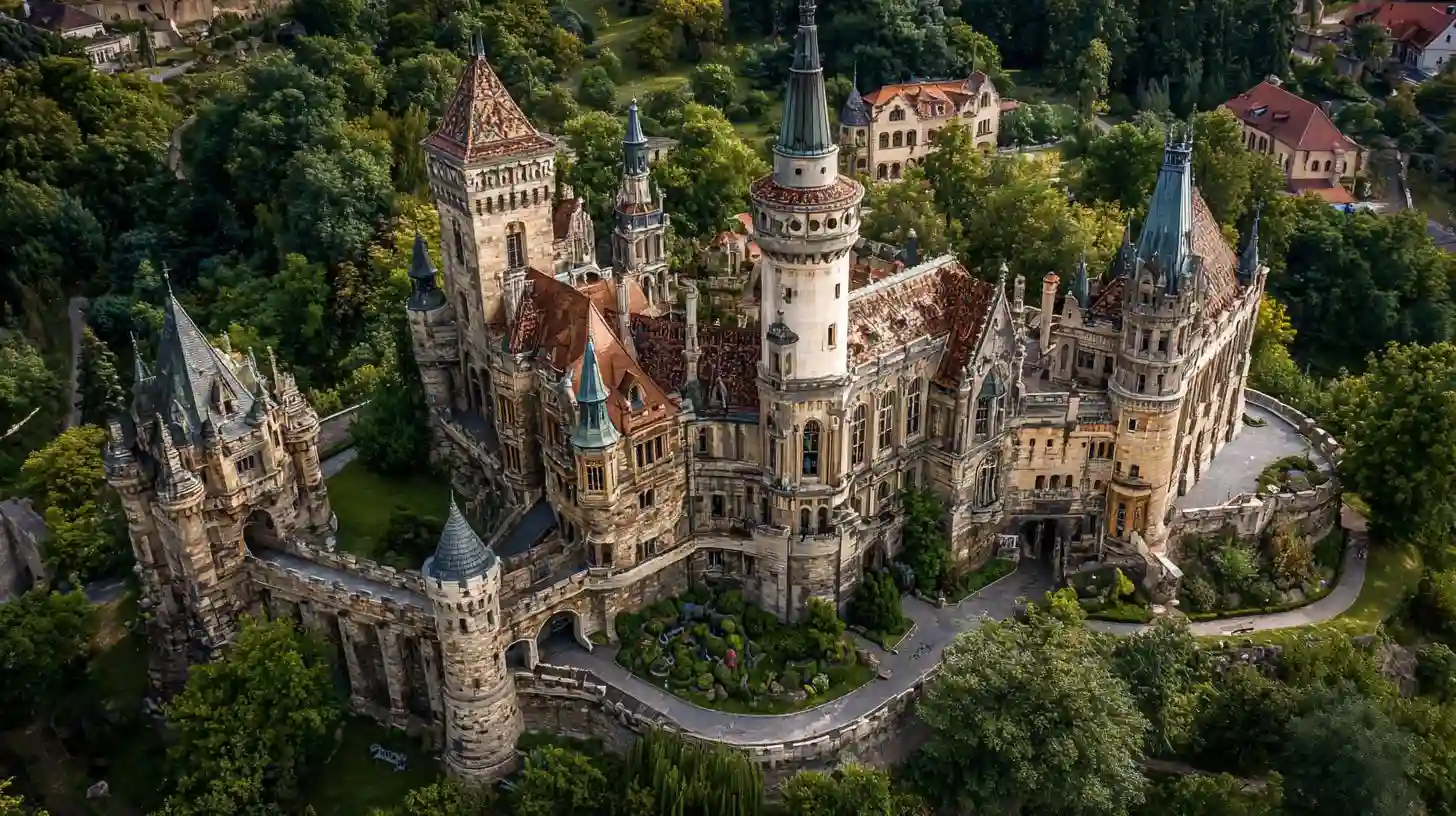
Europe is home to some of the most magnificent castles in the world, each standing as a testament to centuries of history, power, and architectural grandeur. These castles, often perched on dramatic hilltops or nestled against the backdrop of vast landscapes, offer a glimpse into a time when kings, queens, knights, and nobles ruled vast territories. From the elaborate designs of medieval fortresses to the opulent palaces of the Renaissance, the art and architecture of Europe's castles are as diverse as the regions they inhabit.
One of the most captivating aspects of European castles is their architectural diversity. In the north, castles often had a practical function, designed for defense and protection. The rugged castles of Scotland, such as Edinburgh Castle, stand as strongholds against the elements and the history of constant warfare. Built into rocky outcrops, these castles were designed to be almost impenetrable, with thick stone walls and narrow windows for archers. The austere, functional nature of these fortresses contrasts sharply with the more ornate castles of the south, such as the Château de Chambord in France. This castle, with its Renaissance architecture, blends medieval strength with elegance, featuring a distinctive French-style roofline and grand staircases designed by the famed architect Leonardo da Vinci. The symmetrical design and exquisite detailing in the stonework speak to the wealth and sophistication of the French monarchy at the time.
In Central Europe, castles like Neuschwanstein Castle in Germany demonstrate the height of romanticism. This fairy-tale castle, set against the Bavarian Alps, inspired Disney's Sleeping Beauty Castle. With its soaring spires and whimsical architecture, Neuschwanstein evokes a sense of magic and fantasy. The interiors of such castles often featured richly decorated rooms, filled with tapestries, intricate woodwork, and stunning frescoes that told stories of mythology and legend. These castles were not only military fortifications but also places of courtly life, filled with elaborate banquets, dances, and celebrations.
In Spain, the Alhambra in Granada showcases a different side of European castle architecture. This Islamic palace is a masterpiece of Moorish art, with its intricate stucco decorations, courtyards filled with fountains, and geometric tile work. The Alhambra’s architecture is a fusion of Islamic, Christian, and Jewish influences, reflecting Spain’s diverse history. The graceful arches and delicate carvings speak of a period of cultural flourishing in Spain, making the Alhambra not just a castle but a symbol of artistic and intellectual achievement. Its gardens, with their flowing water and fragrant flowers, enhance the feeling of peace and tranquility that the space evokes.
The castles of Eastern Europe are similarly rich in history and design. In Romania, Bran Castle, often linked to the Dracula legend, is an iconic symbol of gothic architecture. Perched high on a cliff, the castle's dark stone walls and towering turrets give it an eerie, mysterious aura. Inside, the narrow hallways and medieval chambers transport visitors back to the days of the Wallachian kings. The architecture of Bran Castle, with its labyrinthine layout, was designed to confuse invaders and protect its inhabitants from any potential threat. This type of defensive design is common in castles throughout the region, where invasions were frequent, and the need for strategic planning was paramount.
In Italy, castles often served as luxurious retreats for wealthy nobles. The Castello Sforzesco in Milan, for example, was a fortress transformed into a palace, combining military function with noble comfort. Inside, the castle's courtyard is adorned with Renaissance-era art, and the interior rooms contain impressive frescoes and sculptures. The blending of fortification and artistry in Italian castles reflects the country's artistic heritage and the power of the ruling families during the Renaissance. Similarly, the Palazzo Ducale in Venice offers a glimpse into the lavish lifestyle of Venetian rulers, with its intricate architecture and ornate decorations.
The artistry of European castles is not just limited to their exteriors. The interior design and artwork found within many of these castles are equally remarkable. In many castles, the rooms are filled with intricate wood paneling, tapestries, frescoes, and paintings that tell the stories of the families who once inhabited these majestic structures. In the halls of Vienna’s Hofburg Palace, for instance, ornate furniture and chandeliers reflect the wealth and power of the Habsburg monarchy. The grandiosity of these interiors was meant to showcase the wealth and taste of the nobility, and many of the castles feature art collections that rival those of the finest museums.
Whether it is the practicality and ruggedness of the castles in the British Isles or the elegance and opulence of the palaces in France and Italy, Europe’s castles remain some of the most enchanting and awe-inspiring structures in the world. These majestic buildings, with their incredible attention to detail, serve as powerful symbols of the past, evoking images of kings and queens, battles fought, and lives lived within their walls. Each castle tells its own unique story, one of power, beauty, and the eternal human desire to leave a mark on the landscape for future generations to admire. As visitors wander through their halls and gaze at their towering spires, it is easy to see why these castles continue to captivate the imagination.