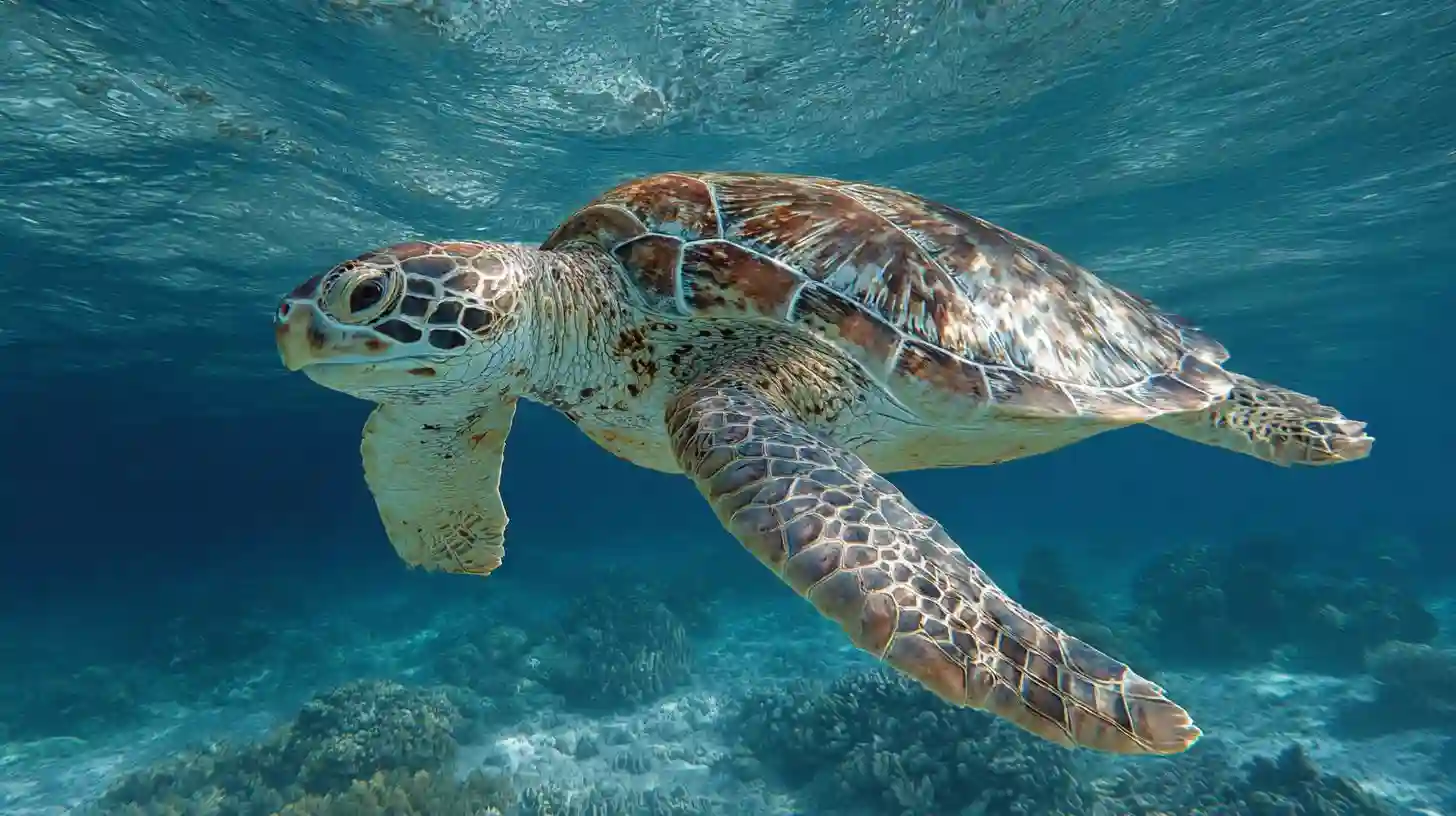
Turtles, often referred to as the elders of the ocean, have long been symbols of wisdom and resilience. These ancient creatures have roamed the Earth for over 200 million years, surviving the challenges of changing ecosystems, predators, and natural disasters. Their longevity and adaptability have earned them a revered place in both human culture and the natural world. Yet, despite their remarkable endurance, turtles face an increasingly perilous future, with their populations dwindling due to human activities and environmental degradation. The plight of these oceanic elders has become a rallying point for global conservation efforts, inspiring a wide array of initiatives aimed at preserving not only turtle species but also the broader ecosystems they inhabit.
The role of turtles in ocean ecosystems is profound. As both predators and prey, they contribute significantly to maintaining the health of marine environments. Sea turtles, for example, play a crucial role in controlling jellyfish populations, which in turn helps to balance the food web. Green sea turtles are known to graze on seagrass meadows, promoting the growth of these vital underwater grasslands that serve as nurseries for many marine species. By maintaining the balance of marine ecosystems, turtles indirectly support the survival of countless other species. This interconnectedness has made their conservation a priority for scientists and environmentalists alike.
The decline in turtle populations can be traced to several factors, many of which are linked to human activity. Overfishing, habitat destruction, climate change, and pollution have all contributed to the decline of sea turtle numbers. In particular, the destruction of nesting sites due to coastal development and the ingestion of plastic waste by turtles have posed significant threats to their survival. Climate change has also had an impact, as rising ocean temperatures affect the sex ratio of hatchlings, with warmer sands producing more females than males, leading to potential long-term population imbalances. Moreover, turtles often get caught in fishing nets or become entangled in discarded fishing lines, which can lead to injury or death.
The loss of turtle populations is not only a tragedy for the animals themselves but also a signal of the broader degradation of marine ecosystems. As keystone species, turtles help maintain the health of the oceans, and their decline often reflects a deeper environmental crisis. The loss of these creatures would not only affect marine biodiversity but also harm local economies that depend on healthy seas for fishing and tourism. Recognizing the interdependence of all life forms in the oceans, many conservation organizations have turned their focus to turtle protection as a means to protect the larger marine environment.
In recent years, efforts to conserve turtles have gained momentum, with governments, non-governmental organizations, and local communities joining forces to protect these iconic creatures. A wide range of conservation initiatives has been implemented worldwide, from beach patrols to prevent poaching of turtle eggs to the establishment of marine protected areas where turtles can nest and feed safely. Many countries have enacted laws to protect nesting sites and restrict activities that harm turtle populations, such as illegal hunting and the destruction of habitats. Additionally, public awareness campaigns have been launched to educate communities about the importance of turtle conservation and the threats they face.
Technological advances have also played a role in turtle conservation. Satellite tracking devices now allow scientists to monitor the movements of individual turtles, providing valuable data about their migration patterns and behavior. This information has been instrumental in identifying critical habitats, such as feeding grounds and migration routes, that need to be protected. Additionally, innovative fishing gear that minimizes the risk of turtle bycatch is being developed, offering hope for reducing the unintended harm caused by commercial fishing.
Turtles have become powerful symbols of conservation and environmental stewardship. Their long life spans, incredible migration journeys, and the challenges they face resonate with people around the world. By protecting turtles, we are not only ensuring the survival of a single species but also safeguarding the health of the oceans for future generations. The commitment to turtle conservation serves as a reminder that the health of our planet is interconnected and that every species, no matter how small or seemingly insignificant, plays a vital role in the delicate balance of nature.
As we continue to face global environmental challenges, the turtle’s enduring spirit offers hope. Through collective action, dedication, and a shared sense of responsibility, we can help ensure that these ancient creatures continue to roam the oceans for generations to come. In doing so, we are also protecting the oceans themselves, ensuring that future generations can experience the same wonder and awe that these remarkable creatures have inspired in people for centuries.