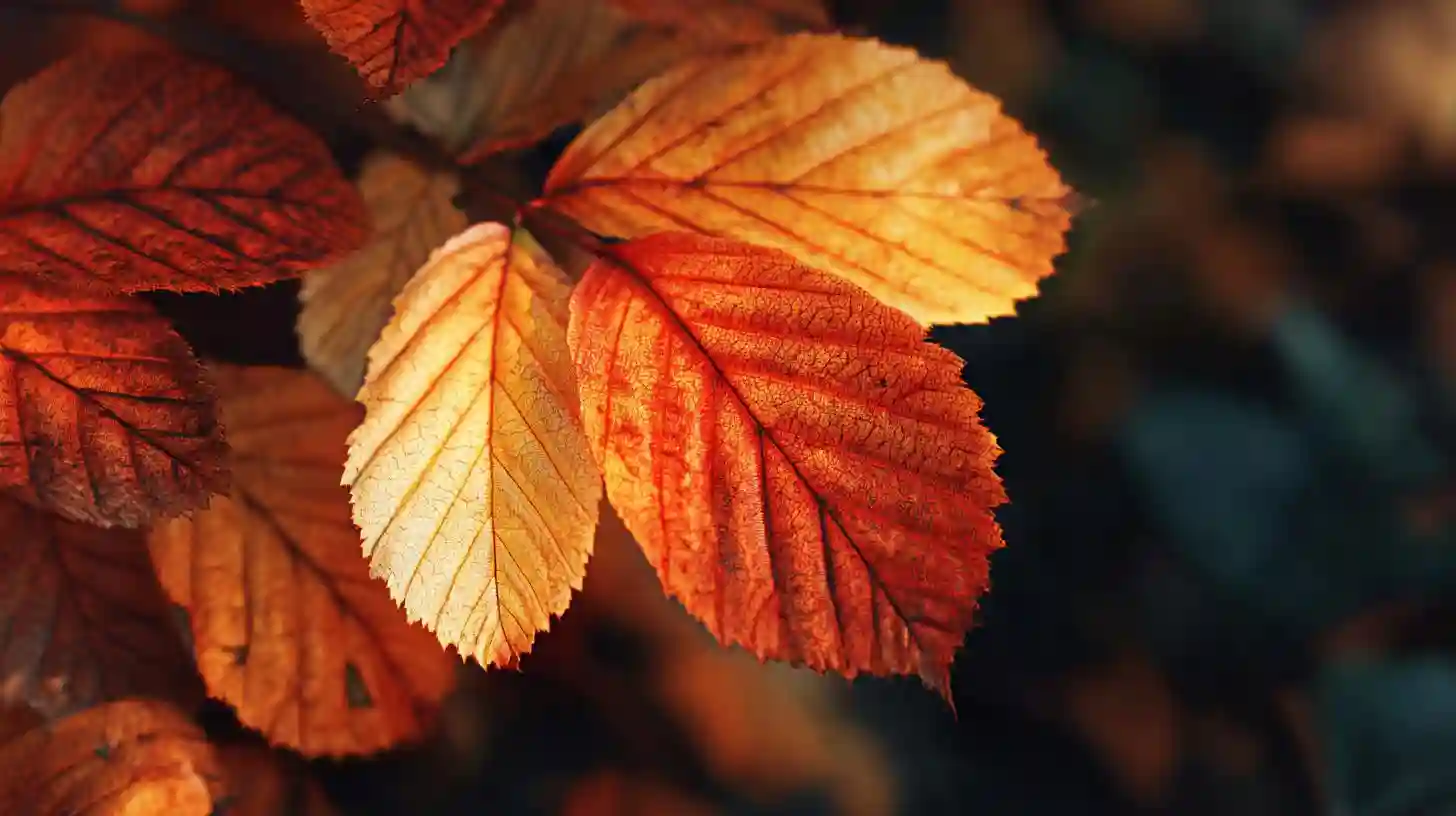
As autumn arrives, the once lush green leaves of trees begin to transform into vibrant hues of red, orange, yellow, and brown. This dramatic change in color is not only a striking sight but also a natural process that happens for several reasons. To understand why leaves change color in the fall, it's essential to dive into the science behind it.
The green color of leaves is due to a pigment called chlorophyll, which plays a key role in photosynthesis. Photosynthesis is the process by which plants convert sunlight into energy, and chlorophyll is crucial in absorbing light, especially the blue and red parts of the spectrum. During spring and summer, chlorophyll is continuously produced and broken down, and it remains abundant in leaves, giving them their characteristic green color.
However, as autumn approaches and the days become shorter, trees begin to prepare for the colder months ahead. This change in the environment triggers a reduction in chlorophyll production. As the chlorophyll breaks down and is not replaced, other pigments present in the leaves become more visible, resulting in the colorful display we see during the fall.
One of the key pigments responsible for autumn colors is carotenoids. These pigments are always present in leaves but are usually masked by the dominant green chlorophyll. Carotenoids produce yellow and orange colors and are found in a variety of plants, not just those with deciduous leaves. As chlorophyll diminishes, the yellow and orange hues from carotenoids become more apparent. This is why certain trees, such as birches and poplars, turn shades of yellow in the fall.
In addition to carotenoids, another important pigment that comes into play in the fall is anthocyanin. Unlike carotenoids, anthocyanins are not present in leaves throughout the growing season. These pigments are produced in the autumn, and their production is influenced by a variety of factors, such as temperature, light, and the chemical composition of the tree’s sap. Anthocyanins are responsible for the red, purple, and blue colors seen in leaves. The exact reason why trees produce anthocyanins in the fall is still a subject of research, but one popular hypothesis is that the pigment helps to protect the plant. Some scientists believe that anthocyanins may help to prevent damage caused by sunlight, reduce water loss, or even deter herbivores from eating the leaves.
The process of leaf color change begins when trees start to form a layer of cells at the base of the leaf stem called the abscission layer. This layer cuts off the flow of nutrients and water to the leaf, signaling the plant to stop producing chlorophyll. As this process continues, other pigments in the leaf become more prominent, creating the colorful display we associate with autumn. The exact timing and intensity of the color change can vary depending on factors such as tree species, weather conditions, and geographical location.
Weather plays a significant role in determining the intensity and quality of fall colors. A warm, sunny fall day followed by a cool night is ideal for the production of anthocyanins. The sunlight encourages photosynthesis during the day, while the cool night temperatures help to slow down the breakdown of chlorophyll and promote the production of anthocyanins. If the weather is too warm, the colors may not be as vivid, and if there is an early frost, it can damage the leaves before they have a chance to change color.
Different tree species also undergo different processes of color change. For example, maples are known for their striking red and orange leaves, while oaks tend to display more muted yellow and brown tones. The diversity in color is partly due to the varying levels of pigments each species contains, as well as the unique timing of their biological processes.
While the vibrant colors of autumn may seem like a beautiful accident, they are actually part of a complex series of chemical changes that prepare the tree for winter. In fact, the shedding of leaves, which usually follows the color change, is a survival strategy for the tree. By shedding its leaves, the tree minimizes water loss and conserves energy during the harsh winter months. The change in leaf color serves as a signal that the tree is entering a period of dormancy, which is essential for its long-term survival.
The phenomenon of leaves changing color is a reminder of the interconnectedness of nature’s cycles. It reflects the intricate relationship between plants, the environment, and the changing seasons. The fall foliage, though short-lived, offers us a glimpse into the wonders of the natural world and the fascinating processes that occur behind the scenes.