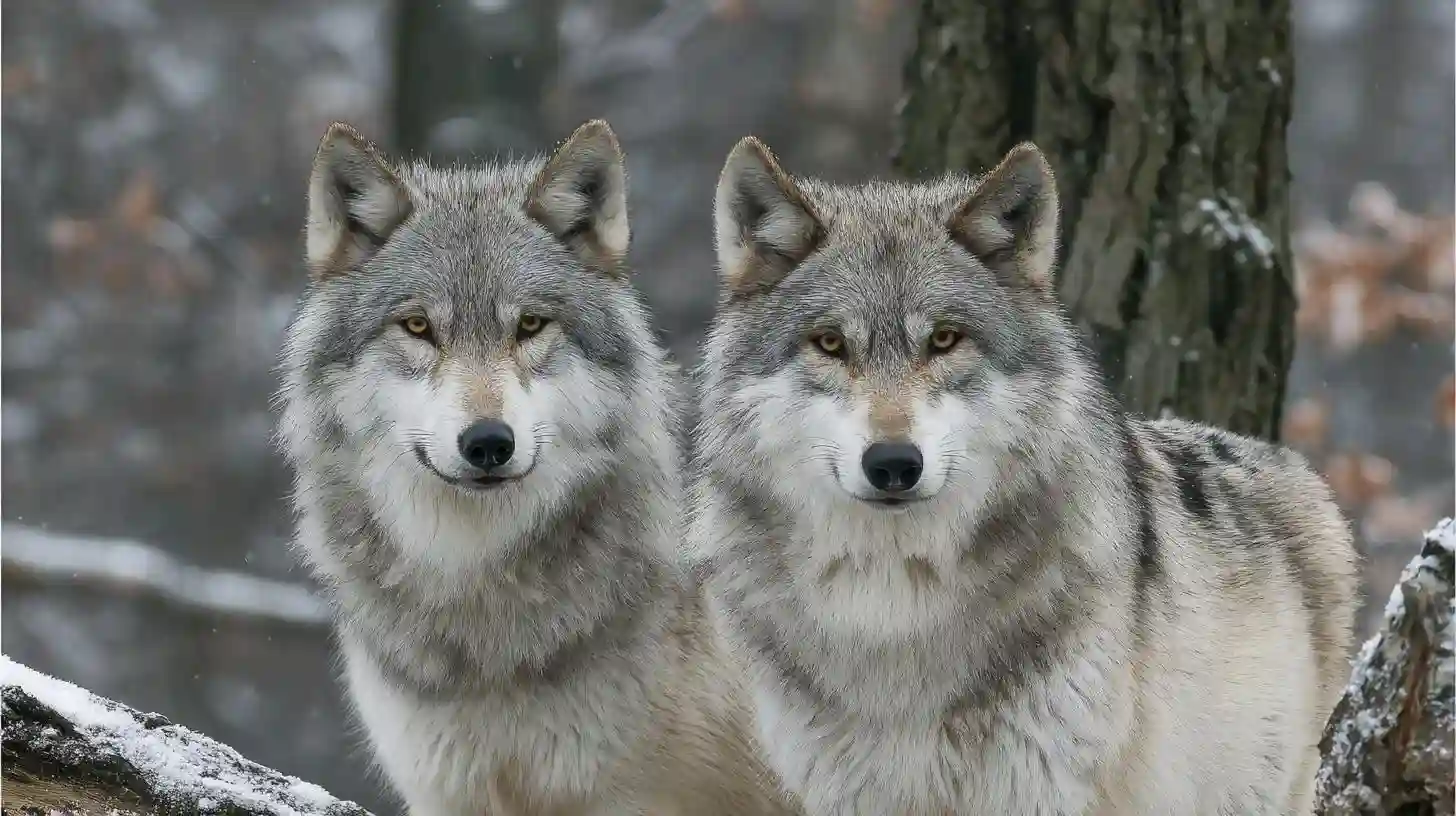
The gray wolf is a remarkable predator, renowned for its intelligence, adaptability, and social structure. Known scientifically as *Canis lupus*, this species has captured human fascination for centuries, symbolizing both fear and admiration in folklore, literature, and art. Gray wolves inhabit a wide range of environments, from dense forests and tundra to grasslands and deserts, demonstrating a remarkable ability to adapt to varying conditions. Their physical characteristics allow them to thrive in diverse climates; they possess thick fur that can change density with the seasons, helping them endure harsh winters and regulate body temperature during warmer months. Their sharp senses of smell, sight, and hearing make them formidable hunters, capable of tracking prey over long distances and detecting subtle changes in their surroundings.
Wolves are highly social animals, and their complex pack structure plays a critical role in survival. Packs are typically composed of a dominant breeding pair, known as the alpha male and female, and their offspring. Hierarchies within the pack are established through behaviors such as posturing, vocalizations, and subtle physical interactions. Cooperation and communication are essential, as wolves often hunt in coordinated groups to take down prey larger than themselves. This teamwork extends beyond hunting; packs share responsibilities such as caring for pups, guarding territory, and assisting injured members. Social bonds are reinforced through behaviors like grooming, nuzzling, and synchronized howling, which can also serve to communicate with distant pack members or assert presence in a particular area.
Hunting strategies of the gray wolf are sophisticated and showcase remarkable intelligence. Wolves often select prey based on age, health, and ease of capture, preferring weak or vulnerable individuals to conserve energy. They rely on stamina and endurance, sometimes chasing prey over long distances to exhaust it before making the kill. Their tactics are adaptable; they can adjust their approach based on the terrain, weather, and behavior of their prey. These predators consume a wide variety of animals, including large ungulates such as deer, elk, and moose, as well as smaller mammals like rabbits and rodents when larger prey is scarce. Their diet may also include fish, birds, and carrion, demonstrating flexibility that helps them survive in diverse habitats.
Reproduction and raising young are central aspects of wolf life. Breeding occurs seasonally, and after a gestation period, the alpha female gives birth to a litter of pups. All pack members participate in raising the young, bringing food, keeping them safe, and teaching essential survival skills. Pups develop rapidly, learning to hunt and communicate through play, which also strengthens social bonds. This collective care ensures the survival of the next generation and maintains the cohesion of the pack. Wolves may leave their natal pack as they mature, seeking to establish new territories and begin their own packs, which is a natural mechanism for dispersal and genetic diversity.
Despite their adaptability, gray wolves face numerous threats from human activity. Habitat destruction, hunting, and conflicts with livestock have significantly reduced their populations in many regions. Conservation efforts have focused on protecting natural habitats, implementing reintroduction programs, and educating communities about coexistence. Legal protections in various countries have allowed certain wolf populations to recover, illustrating the species’ resilience when given a chance. Wolves also play a crucial ecological role, regulating prey populations and maintaining the balance of ecosystems. Their presence can influence the behavior of herbivores, which in turn affects vegetation patterns, demonstrating their impact as keystone species.
The gray wolf’s relationship with humans is complex, encompassing fear, respect, and fascination. Throughout history, they have been depicted as cunning and dangerous, yet also admired for their intelligence and social organization. This duality continues in modern culture, where wolves are subjects of documentaries, conservation campaigns, and scientific studies. Observing their behavior in the wild offers insights into predator-prey dynamics, social behavior, and ecological balance. Wolves remind humans of the importance of coexistence with nature and the intricate connections that sustain life across ecosystems. Their resilience, intelligence, and social complexity make them enduring symbols of wildness and adaptability, inspiring both scientific inquiry and cultural reflection.