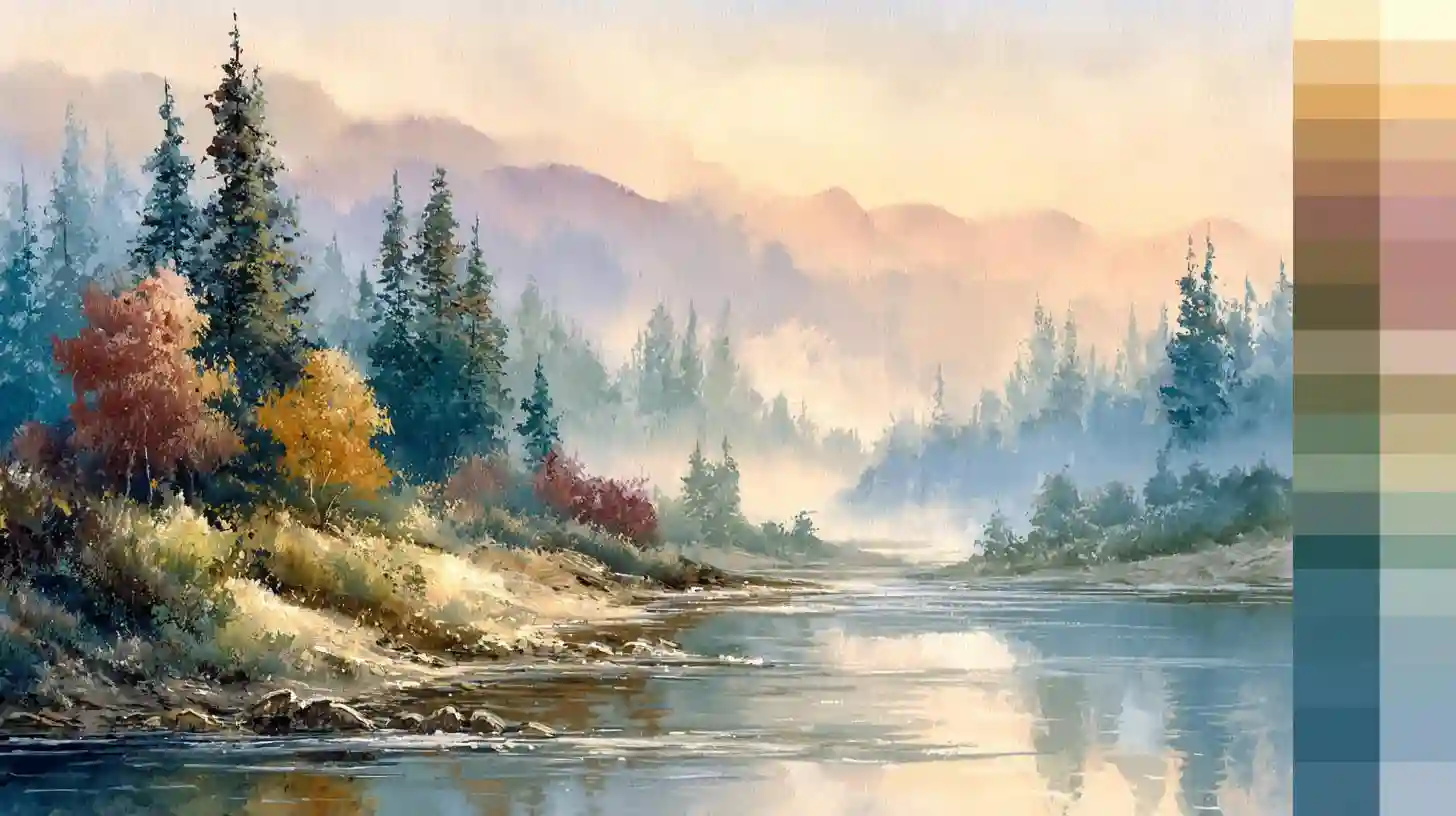
Painting landscapes with watercolors is a deeply rewarding artistic pursuit that allows you to capture the beauty and serenity of nature in a uniquely fluid and dynamic way. Whether you're a beginner or an experienced artist, learning how to use watercolor techniques to create stunning landscapes can open up a whole new world of creative possibilities. Watercolor offers a range of expressive qualities that other mediums can't quite replicate. The transparent nature of the paint, along with its ability to flow and blend effortlessly, makes it perfect for depicting the soft transitions of light, shadow, and color that you often see in natural landscapes. One of the key aspects of watercolor painting is understanding the way the paint behaves on paper. Unlike oils or acrylics, watercolors are applied in thin, transparent layers, and the water-to-paint ratio can drastically affect the final outcome. Experimenting with this ratio and understanding how much water is necessary to achieve different effects will help you achieve the desired results. For instance, using a lot of water results in soft, light washes that can create a dreamy, atmospheric feel, while a more concentrated amount of paint with less water can produce sharper, more defined details. When approaching a landscape, it’s important to begin by planning out the composition. Sketching lightly with a pencil allows you to map out the main elements of the scene, such as the horizon line, trees, mountains, rivers, or buildings. The composition should direct the viewer’s eye through the painting, so it’s essential to think about the balance and placement of the different elements. Watercolors often work best when you let the medium work with you rather than against it. It's often tempting to try and control the flow of the paint, but embracing the unpredictability of watercolors can lead to beautiful, spontaneous results. The fluid nature of watercolors means that colors can easily blend into one another, creating lovely gradients and transitions, which is especially useful for skies and distant landscapes where soft transitions between colors mimic atmospheric effects. Creating the sky is a key part of most landscape paintings, and watercolors are perfect for this due to their ability to produce soft, gradient-like effects. When painting the sky, begin with a light wash of color, using a large brush to cover the entire sky area. You can start with a pale blue, and gradually add deeper tones as you move towards the horizon. If you want to create a sunrise or sunset effect, using warm hues like yellows, oranges, and reds can add depth and vibrancy. The beauty of watercolors lies in their transparency, so it’s possible to build up subtle layers of color to create a realistic atmospheric effect. When it comes to painting trees, foliage, and other natural elements, a combination of wet-on-wet and wet-on-dry techniques can be extremely effective. Wet-on-wet involves applying paint onto wet paper, which causes the colors to spread and blend naturally. This is particularly useful for painting distant trees or soft foliage that you want to blend into the background. Wet-on-dry, on the other hand, allows for more precise detailing and is ideal for creating the texture of tree bark, the individual leaves, or other elements in the foreground. The key to capturing the texture of foliage is layering. Start with a light wash to define the basic shape of the trees or bushes. Then, as the paint dries, you can add darker tones and more detail, building up the texture and depth. For a realistic effect, make sure to vary the tones of green you use, as trees are rarely a single, uniform color. Incorporating highlights and shadows into your landscape adds dimension and realism. To create shadows, use a mix of darker colors, such as purples, blues, or browns, and paint them where the light doesn't hit directly. These shadows will help the objects in the painting stand out and give the impression of depth. Highlights, on the other hand, can be created by leaving certain areas of the paper untouched or by using a white gouache paint to gently add light accents to areas like the top of trees or the edges of buildings that are hit by sunlight. Watercolor landscapes often rely on subtle details to create a sense of realism. Small touches, like reflecting light in the water, adding birds to the sky, or capturing the play of light through the branches of trees, can elevate the overall quality of the painting. Be sure to step back from your work occasionally to assess the balance of the scene. It can be easy to get caught up in the details, but it’s important to ensure that the overall composition flows naturally. Every stroke you make should contribute to the landscape’s atmosphere, whether it’s capturing the soft light of a foggy morning or the bright intensity of midday sun. Watercolor painting is all about patience, practice, and observation. Take the time to truly study the landscape you're trying to capture, and remember that no two landscapes are ever the same. By experimenting with various techniques and paying close attention to the natural elements around you, you'll be able to bring your watercolor landscapes to life, showcasing the stunning beauty of the world through your unique artistic lens.