Finland has consistently topped global happiness rankings for several years, with factors contributing to its reputation as the happiest country in the world. The country’s high ranking is a testament to its unique social structure, well-being initiatives, and deep respect for individual freedoms. A closer look reveals that Finland’s happiness is rooted in a combination of cultural, economic, and environmental elements that create a society where people can thrive both individually and collectively.
The first aspect that stands out about Finland is the strong sense of community and social trust. Finnish society is built on a foundation of equality, where there is little to no gap between the wealthy and the less privileged. Finland’s social policies, such as universal healthcare and free education, ensure that citizens have access to essential services without financial strain. These policies contribute significantly to people’s well-being, as they remove many of the stresses associated with financial insecurity, providing a safety net that allows individuals to focus on their personal happiness rather than economic survival.
Another key factor is Finland’s high-quality education system. Finland’s approach to education emphasizes not only academic success but also the overall well-being of students. Finnish schools focus on a balanced curriculum that includes physical education, creative activities, and plenty of time for students to relax and socialize. This creates an environment where children grow up feeling supported and valued, and where learning is seen as a lifelong pursuit rather than a pressure-laden task. The Finnish education system fosters a culture of curiosity, independence, and personal growth, contributing to the overall happiness of individuals as they transition into adulthood.
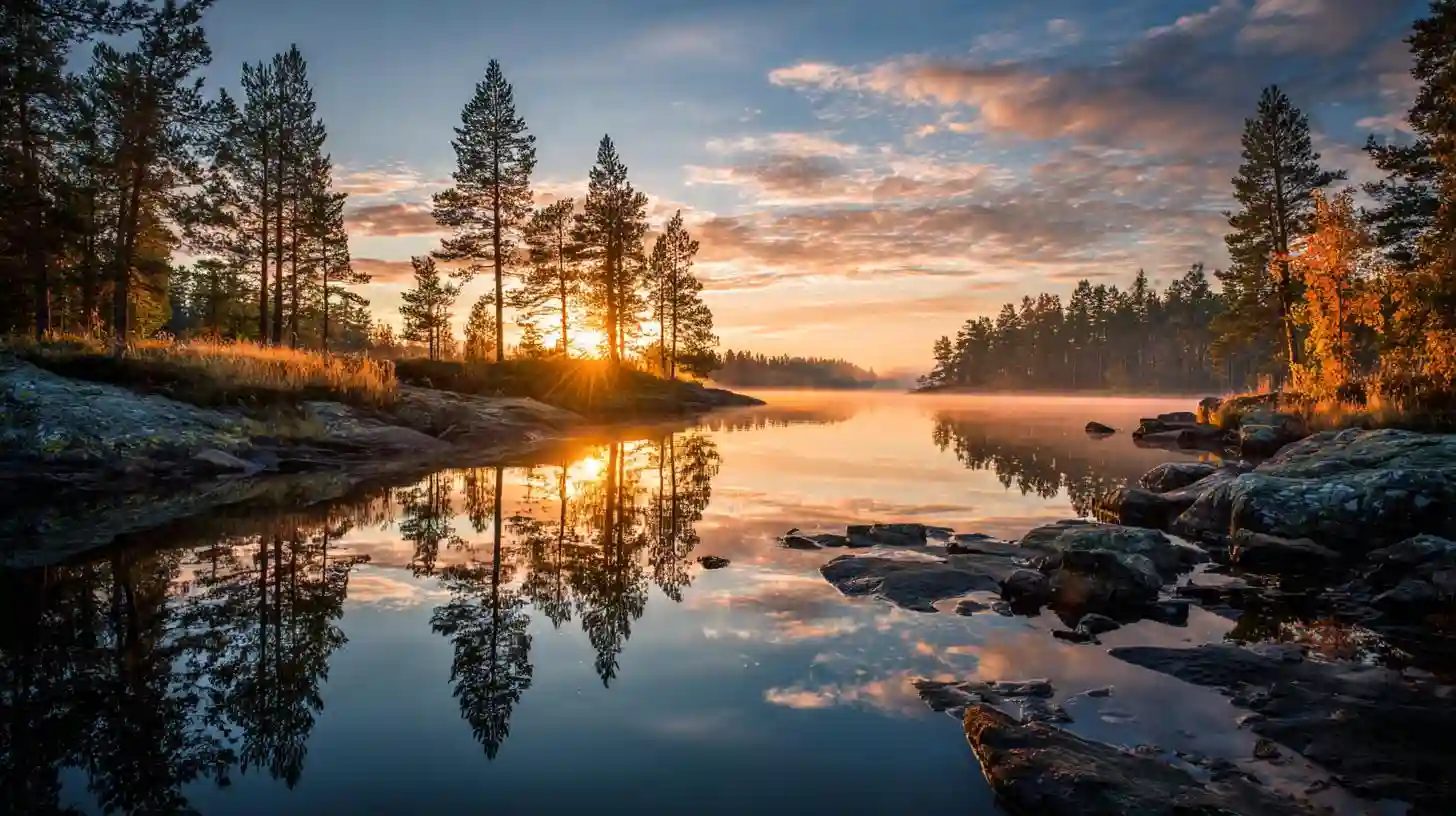
Finland’s natural environment also plays a significant role in the happiness of its people. The country is renowned for its stunning landscapes, which include vast forests, serene lakes, and an abundance of wildlife. Finnish people have a deep connection to nature, and outdoor activities such as hiking, skiing, and swimming are part of everyday life. The concept of “sisu,” a Finnish word that embodies perseverance and resilience, is closely linked to the country’s connection with nature. Spending time outdoors and engaging with nature is a way for Finns to recharge mentally and physically, and this sense of harmony with the natural world contributes to their overall sense of well-being.
Social cohesion and the emphasis on work-life balance are also central to Finnish happiness. In Finland, the concept of balancing personal life with professional obligations is deeply ingrained in the culture. Finnish workers are typically afforded generous vacation time, flexible working hours, and the opportunity to spend quality time with family and friends. The Finnish work culture values productivity over long hours, meaning that employees are not expected to sacrifice their personal lives for career advancement. This balance allows people to pursue hobbies, engage in meaningful relationships, and enjoy their leisure time without the constant pressure of work.
Additionally, Finland’s high levels of safety and low levels of crime contribute to a sense of security that enhances the well-being of its citizens. The country has one of the lowest crime rates in the world, and its police force is trusted by the public. People feel safe in their communities, which fosters a sense of trust and cooperation among individuals. This social trust is a crucial element of happiness, as it allows people to feel secure in their environment and confident in their interactions with others.
Finland’s commitment to sustainability and environmental consciousness also plays a role in the happiness of its citizens. The country is at the forefront of addressing climate change and promoting eco-friendly practices. Many Finns live in energy-efficient homes, use public transportation, and participate in recycling and waste reduction programs. This sense of responsibility toward the environment not only benefits the planet but also creates a collective sense of pride and purpose among the population. When individuals feel that they are contributing to the greater good, it enhances their overall sense of satisfaction and happiness.
Lastly, Finland places a strong emphasis on mental health and well-being. The Finnish government and society recognize that happiness is not just about material wealth but also about emotional and psychological health. Finns are encouraged to prioritize self-care, and there are various mental health services and support networks available to those who need them. The stigma surrounding mental health is lower in Finland than in many other countries, and people are more likely to seek help when needed. This approach to mental health contributes to a society where individuals feel emotionally supported and less isolated.
All these elements combined—social equality, quality education, a strong connection to nature, a balanced work-life culture, safety, sustainability, and a focus on mental health—create a fertile ground for happiness in Finland. It is a country where people feel valued, supported, and free to live their lives to the fullest, which is why Finland continues to rank as the happiest country in the world.