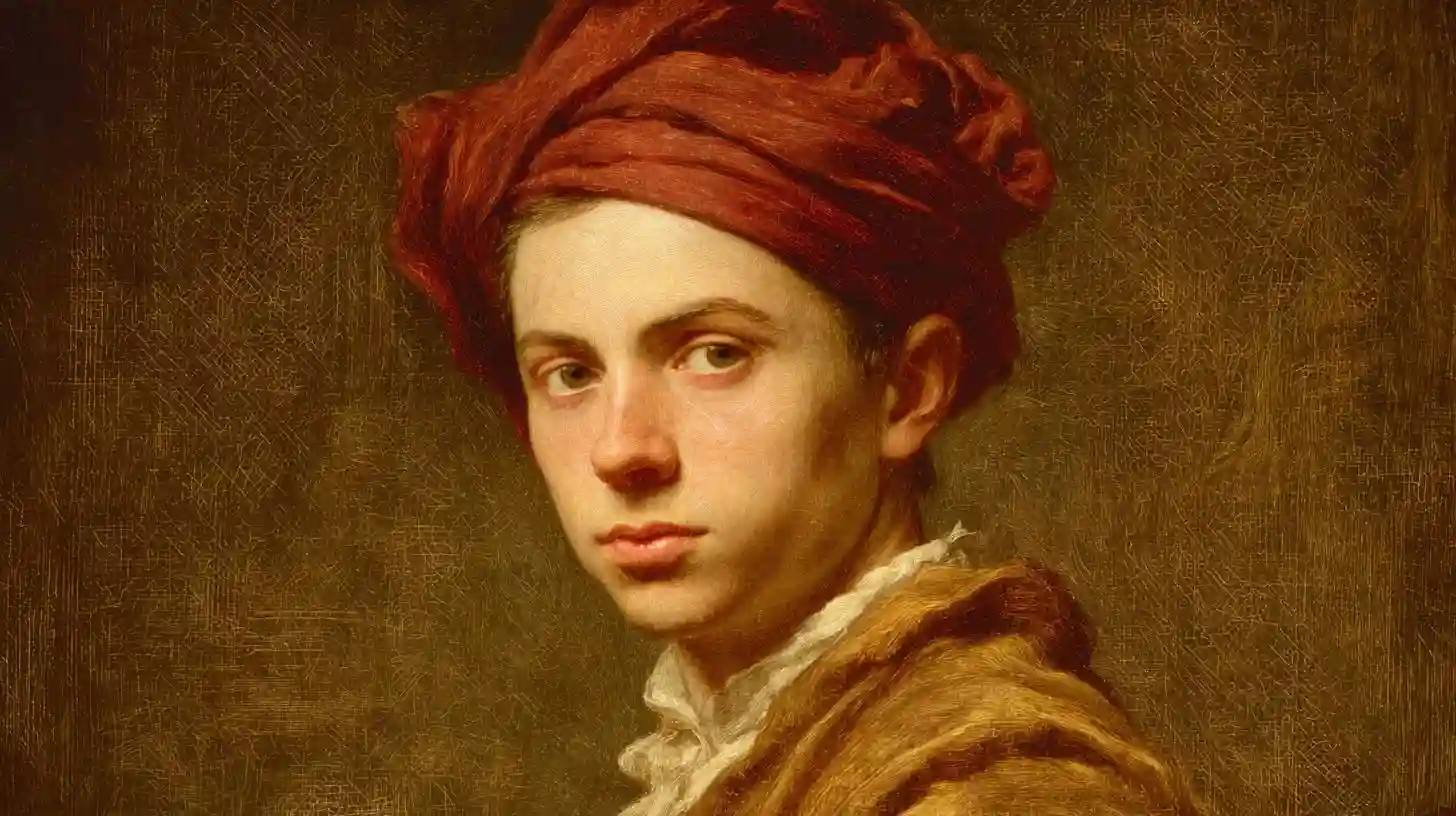
Throughout history, art has served as a powerful medium of expression, documenting the emotions, thoughts, and ideals of societies. Some paintings stand as symbols not just of their time but of a transformative shift in how art was perceived and understood. These masterpieces not only shaped their own eras but continue to inspire, challenge, and redefine art even today.
The Mona Lisa by Leonardo da Vinci is one of the most renowned and widely recognized paintings in the world. Her mysterious smile and captivating gaze have sparked endless interpretations. Painted in the early 16th century, this portrait exemplifies the technique of sfumato, where the transitions between colors and tones are so subtle that the contours of the face seem to dissolve into the background. Da Vinci’s use of light and shadow and the enigmatic expression of the subject have made the Mona Lisa a symbol of human curiosity and introspection.
Vincent van Gogh’s Starry Night remains a towering figure in modern art, embodying the emotional intensity and vivid color that became hallmarks of his style. Painted during his time at the Saint-Paul-de-Mausole asylum in 1889, the swirling skies and the bold, expressive brushstrokes reflect van Gogh’s inner turmoil and his fascination with the universe. The painting stands as a testament to the artist’s unflinching commitment to personal expression, making it one of the most beloved works in the world.
The Persistence of Memory by Salvador Dalí is one of the most iconic works of the surrealist movement. Painted in 1931, it introduces the world to Dalí’s bizarre yet captivating visions of melting clocks draped over the barren landscape of a desert. The surreal nature of the scene challenges the viewer’s sense of time and reality. The dreamlike imagery and meticulous technique exemplify Dalí’s exploration of the unconscious mind, memory, and the fluidity of time, placing it at the forefront of surrealist art.
The Creation of Adam by Michelangelo, painted on the ceiling of the Sistine Chapel between 1512 and 1514, is perhaps one of the most important works in the history of Western art. Depicting the biblical moment when God gives life to Adam, this fresco illustrates not only the artist’s mastery of human anatomy but also his ability to convey deep theological concepts. The image of God’s hand reaching out to Adam, just shy of touching, has become an enduring symbol of human potential and divine connection.
Pablo Picasso’s Guernica is a powerful political statement that remains one of the most poignant anti-war works of art. Painted in 1937, the painting responds to the Spanish Civil War and the bombing of the Basque town of Guernica. Through fragmented and distorted forms, Picasso conveys the chaos, suffering, and anguish brought on by war. The monochromatic palette and intense symbolism communicate the horrors of violence, making Guernica an icon of political resistance and a universal cry against inhumanity.
Edvard Munch’s The Scream, created in 1893, is an expressionist work that captures the universal feeling of existential dread. The agonized figure, set against a turbulent sky and distorted landscape, conveys a sense of inner turmoil and isolation. The Scream’s dramatic lines and vivid colors, along with its psychological intensity, have turned it into a cultural symbol of anxiety and alienation, resonating with generations of viewers around the world.
The Girl with a Pearl Earring by Johannes Vermeer, painted around 1665, has captivated audiences with its simple yet profound beauty. Often referred to as the "Mona Lisa of the North," the painting’s quiet elegance and the girl's direct gaze continue to intrigue viewers. Vermeer’s ability to capture light and texture, especially in the portrayal of the pearl earring, elevates this piece to an almost otherworldly status. The work exemplifies the Dutch Golden Age’s focus on domestic life and portraiture.
The Night Watch by Rembrandt van Rijn, created in 1642, is a striking example of baroque art that blends group portraiture with dynamic movement. The painting depicts a group of civic guards in Amsterdam, but rather than a static portrait, Rembrandt infuses the scene with energy and motion, showing the figures in action. The dramatic use of light and shadow, coupled with the complexity of the composition, makes The Night Watch a standout work of its time.
Diego Rivera’s Man at the Crossroads is a mural that was originally created in 1933 for the Rockefeller Center in New York. The mural depicted a worker at the intersection of technology and society, embracing a vision of collective human progress. However, the depiction of Lenin in the original work led to its destruction before it was completed. The mural’s rebirth in Mexico City as Man, Controller of the Universe, stands as a testament to Rivera’s commitment to social and political themes, particularly his belief in the power of the working class.
Claude Monet’s Water Lilies series, painted between 1896 and 1926, represents the culmination of his dedication to capturing nature’s fleeting moments. The tranquil scenes of water lilies floating on the pond of his Giverny garden exemplify his pioneering technique of impressionism. Monet’s loose brushwork and emphasis on light and color over detail invite viewers to experience the beauty of nature in a more abstract and emotional way, changing the trajectory of landscape painting forever.
Each of these paintings, in its own unique way, has left an indelible mark on the history of art. Through innovation, emotion, and vision, these artists transformed not just the art world but also how we understand the human experience. They continue to challenge viewers, provoke thought, and inspire countless artists and audiences alike.