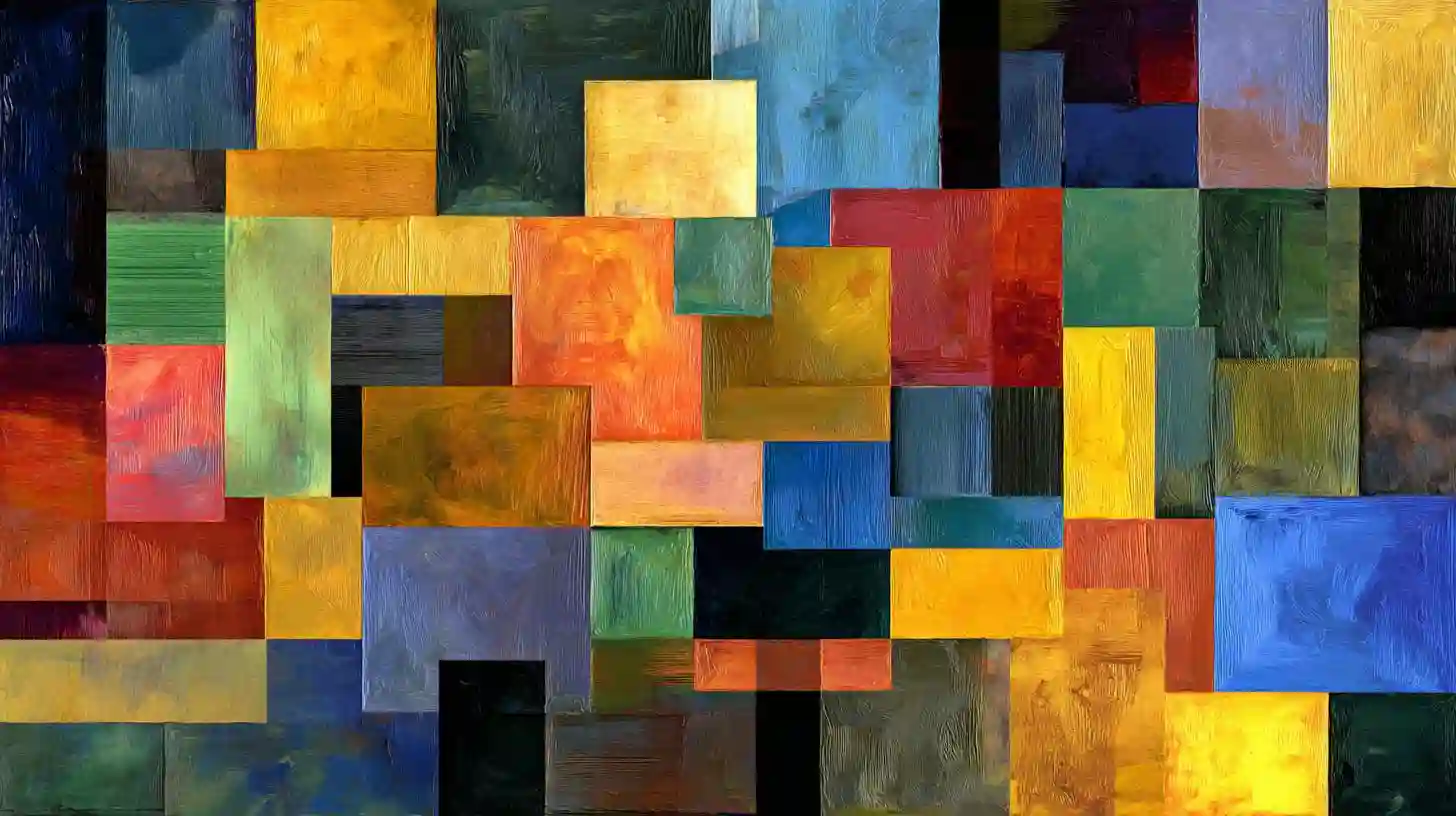
Art has always been a medium for self-expression, a way to explore the complexity of human emotions, thoughts, and experiences. Among the many styles and techniques, color block oil painting has emerged as a distinctive and captivating approach. It involves the use of bold, defined areas of color, often in geometric or irregular shapes, to create compositions that are visually striking and emotionally evocative. This technique focuses on the purity and intensity of color, employing oil paints to build up layers and textures that allow each hue to stand out and interact with the others.
The origins of color block painting can be traced to the early twentieth century when artists began experimenting with abstraction and minimalism. It was during this period that artists like Piet Mondrian and Kazimir Malevich began to move away from representational art and embraced geometric abstraction. While these pioneers didn't specifically use the term "color block," their work laid the foundation for the style. Mondrian, for example, used a grid of primary colors, black, white, and gray to create harmony and balance. This approach to simplifying forms and focusing on pure color would go on to influence many other artists, especially those working with oil paints.
Oil paint, with its rich texture and ability to layer colors, is a perfect medium for color block painting. Unlike other paints, oil has the unique ability to blend smoothly, creating subtle transitions or maintaining sharp, distinct edges. When applied in thick layers, oil paint also lends a sense of depth and volume to the work. This is especially useful in color block painting, where artists use varying thicknesses of paint to create contrast and emphasize certain blocks of color. The slow drying time of oil paints allows artists to work more leisurely, refining edges or adjusting tones until they achieve the desired effect.
Color block oil painting can vary greatly in terms of its color choices and compositions. Some artists opt for large, bold sections of a single color to evoke a sense of calm or intensity, while others use a combination of contrasting colors to create dynamic tension within the piece. The juxtaposition of colors within these blocks often serves as the focal point of the work, drawing the viewer's eye and guiding them through the piece. The arrangement of the blocks also plays a significant role in how the painting is perceived. Whether the blocks are arranged in a grid-like pattern, in a more freeform manner, or in a more complex interplay of shapes, the organization of color can evoke different feelings and reactions from the audience.
One of the fascinating aspects of color block oil painting is the way in which the different blocks of color interact with one another. The boundaries between the colors are often sharp and well-defined, allowing each color to maintain its own identity, while simultaneously creating an overall sense of cohesion within the piece. When colors are placed next to each other, they can either complement one another, creating harmony, or contrast sharply, generating tension. This relationship between colors is one of the key elements that make color block paintings so visually engaging and intriguing. The careful selection and placement of colors, as well as the consideration of their psychological and emotional impact, are crucial to the success of this style.
As with any art form, color block oil painting has evolved over time. Contemporary artists continue to explore and push the boundaries of the technique, experimenting with different materials, formats, and methods of application. Some artists incorporate textures or mixed media elements into their color block works, while others expand the concept to include larger-scale installations or digital works. The principles of color block painting, however, remain constant: the use of bold, distinct blocks of color to create a composition that is visually impactful and conceptually rich.
The appeal of color block oil painting lies in its simplicity and complexity at the same time. The use of large, flat areas of color gives the works a sense of clarity and directness, while the nuanced interplay between colors, shapes, and textures invites deeper contemplation. It’s a style that allows both the artist and the viewer to engage with the painting in an active way, exploring how color can communicate emotion, structure, and meaning. Whether in a gallery setting or in a private collection, color block oil paintings continue to captivate audiences with their ability to convey powerful messages through the most fundamental elements of art: color and form.