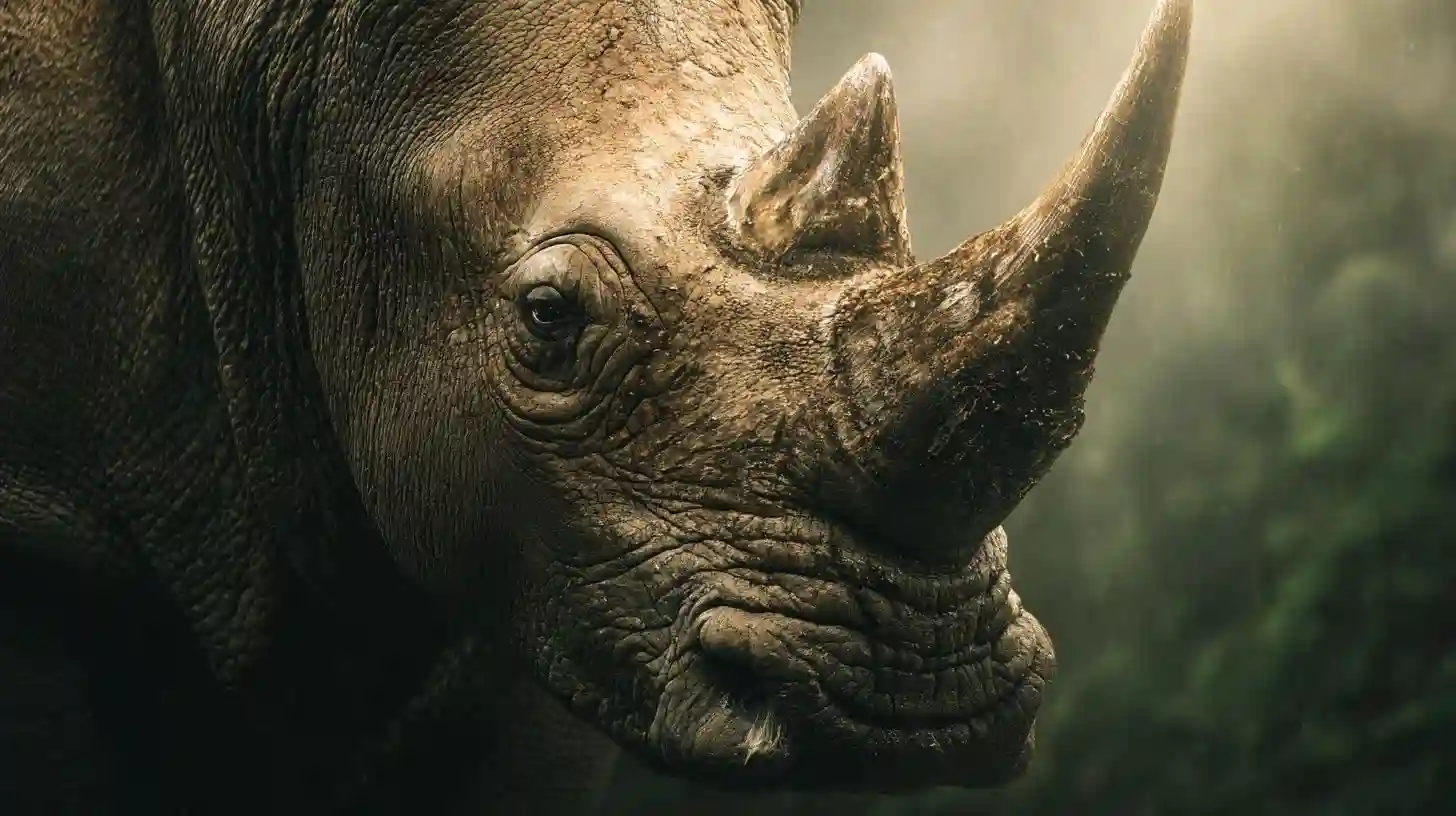
The protection of endangered animals is a pressing issue that requires immediate action to prevent the irreversible loss of biodiversity. Many species across the globe are at risk of extinction due to factors such as habitat destruction, poaching, pollution, and climate change. Preserving these animals not only helps maintain the delicate balance of ecosystems but also safeguards the services these ecosystems provide to humanity, such as clean air, water, and food. To save the most endangered species, we need comprehensive, coordinated efforts involving governments, conservation organizations, local communities, and individuals.
Efforts to save endangered animals must begin with habitat preservation. Many of the species facing extinction have lost their natural habitats due to deforestation, urbanization, and agricultural expansion. Protecting and restoring these habitats is critical for the survival of these species. Establishing national parks, wildlife reserves, and protected areas is an effective strategy. These areas provide safe spaces where endangered animals can live, reproduce, and thrive without the constant threat of human interference. In some cases, restoring degraded habitats by reforesting or rehabilitating wetlands can help create suitable conditions for endangered species to return.
In addition to habitat protection, addressing the threat of poaching is another key aspect of animal conservation. Many species, such as elephants, rhinoceroses, and tigers, are targeted for their valuable body parts, such as tusks, horns, and pelts. Strengthening anti-poaching laws, increasing penalties for illegal hunting, and ensuring effective enforcement are essential measures. Moreover, raising awareness about the devastating effects of poaching on wildlife populations and local communities can help reduce demand for illegal wildlife products. International collaboration is also crucial in this regard, as wildlife trafficking often crosses borders, and global cooperation is needed to dismantle illegal trade networks.
Another critical step in saving endangered species is to address the impacts of climate change. Rising global temperatures, changing precipitation patterns, and increased frequency of extreme weather events threaten the survival of many animals by altering their habitats and food sources. For example, coral reefs, which support a diverse range of marine life, are particularly vulnerable to warming ocean temperatures. To protect animals from the effects of climate change, we need to reduce greenhouse gas emissions and implement climate adaptation strategies. This could include creating wildlife corridors to allow species to migrate to more favorable environments and enhancing the resilience of ecosystems to climate change.
Captive breeding and reintroduction programs have proven successful in saving certain species from extinction. These programs involve breeding endangered animals in controlled environments, such as zoos or wildlife sanctuaries, and then reintroducing them into the wild once their populations have stabilized. This strategy has helped save species such as the California condor and the Arabian oryx. However, captive breeding is not a long-term solution on its own; it must be accompanied by efforts to improve habitat protection and reduce threats in the wild.
Another important aspect of conservation is the role of local communities. Engaging local people in conservation efforts can lead to more sustainable and effective outcomes. When communities are directly involved in protecting endangered species, they are more likely to take ownership of conservation initiatives. Providing alternative livelihoods, such as eco-tourism or sustainable agriculture, can help reduce the pressures on local wildlife. Additionally, educating communities about the importance of preserving biodiversity and the economic and social benefits of conservation can foster a culture of stewardship.
One of the most crucial things that can be done to protect endangered animals is the establishment of global conservation frameworks and policies. International agreements such as the Convention on International Trade in Endangered Species (CITES) and the Convention on Biological Diversity (CBD) play vital roles in coordinating conservation efforts across borders. By working together, countries can create laws and policies that safeguard endangered species and their habitats. Furthermore, providing adequate funding for conservation initiatives and supporting scientific research are essential for long-term success. Governments, private sectors, and international organizations must invest in the future of biodiversity to ensure that endangered species have a fighting chance.
Finally, public awareness and involvement are essential for the success of conservation efforts. The more people understand the plight of endangered animals, the more likely they are to support conservation initiatives. Social media, documentaries, and educational programs can all play significant roles in spreading awareness. By fostering a sense of connection to wildlife, we can inspire individuals to take action, whether by donating to conservation organizations, reducing their environmental impact, or advocating for stronger policies. Saving endangered animals is not only about protecting the species themselves but also about preserving the beauty and complexity of the natural world for future generations.
Each endangered animal represents a unique piece of the puzzle in maintaining the health of our planet. Their survival is intrinsically tied to the overall well-being of ecosystems, which in turn sustains human life. As we continue to face unprecedented environmental challenges, it is essential that we work together to protect the most endangered species.