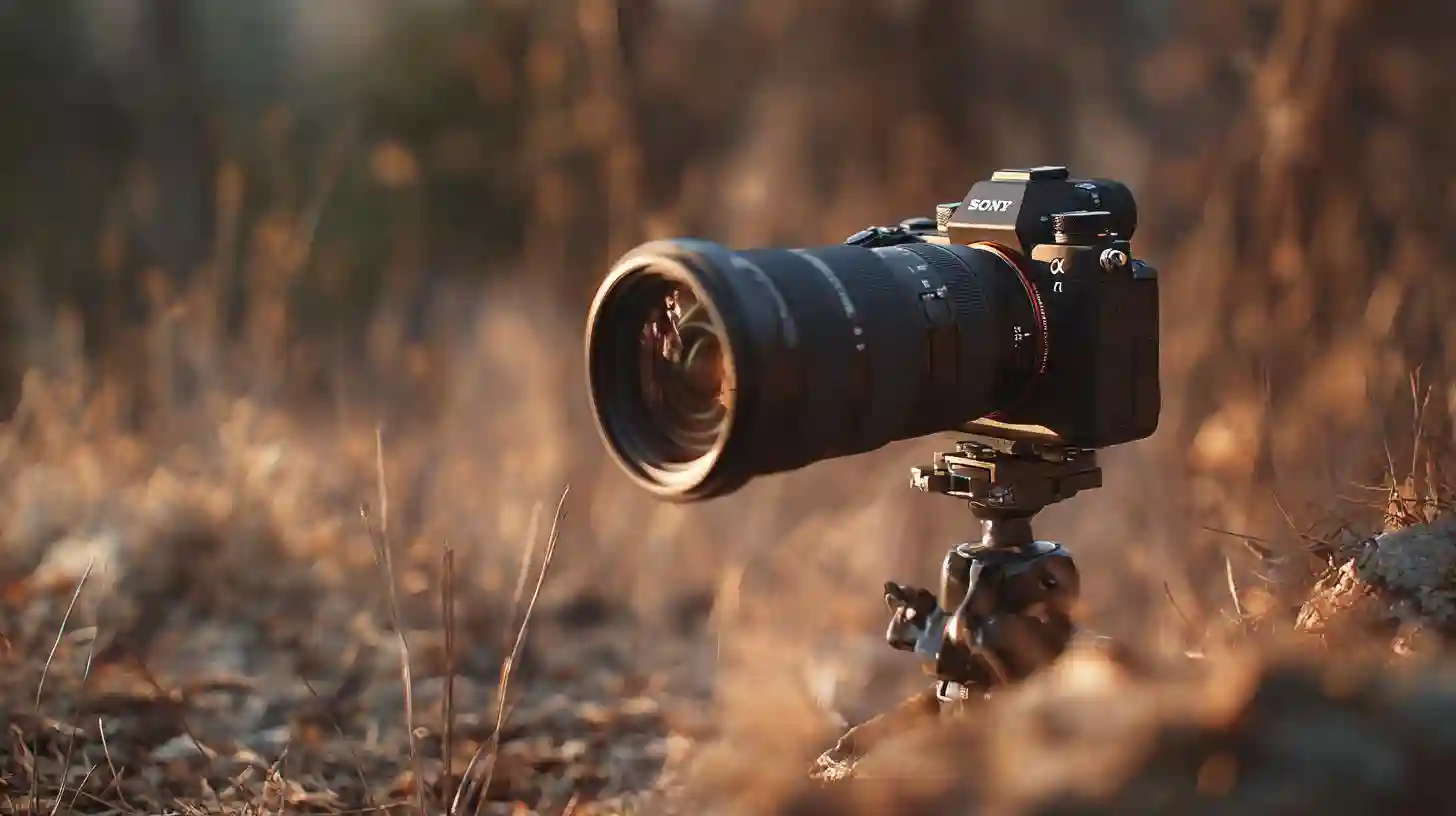
To master photography, it's essential to understand the fundamental principles that make every shot stand out. Whether you're using a professional camera or a smartphone, the key to great photography is not just about having the best gear but knowing how to use it to capture the world around you in a meaningful way.
The exposure triangle, comprising aperture, shutter speed, and ISO, is the foundation of all photographic work. Aperture controls the depth of field, which determines how much of the scene appears in focus. A wide aperture (low f-stop number) creates a shallow depth of field, making the subject stand out sharply against a blurred background, ideal for portraits. A narrow aperture (high f-stop number) increases the depth of field, ensuring that everything in the frame remains sharp, which works well for landscapes.
Shutter speed, on the other hand, dictates how motion is captured in your frame. A fast shutter speed freezes motion, which is excellent for action shots or sports photography. A slow shutter speed captures motion blur, making it perfect for conveying a sense of movement in images such as flowing water or busy city streets. The key is finding the right balance between aperture and shutter speed to achieve the look you want, depending on the lighting conditions.
ISO refers to the sensitivity of the camera's sensor to light. A lower ISO value, such as 100 or 200, results in clearer images with minimal noise, making it suitable for shooting in bright light or when you want high image quality. However, in low-light situations, increasing the ISO allows for faster shutter speeds and proper exposure, though it may introduce more grain or noise. The trick is to use the lowest ISO possible to maintain image clarity while balancing exposure with aperture and shutter speed.
Understanding light is another crucial aspect of taking professional-level photos. Natural light is often the best option, particularly during the golden hours just after sunrise or before sunset. The soft, warm glow of this light is ideal for portraits and landscape photography. When shooting in bright midday light, harsh shadows can be softened using reflectors or diffusers, or you can find shaded areas to avoid unflattering contrasts. In low light conditions, such as indoors or at night, using a tripod can help prevent camera shake and produce sharp images, even with slower shutter speeds.
Composition is a vital element in crafting visually appealing photographs. One of the most popular compositional techniques is the rule of thirds, which involves dividing the image into nine equal parts using two horizontal and two vertical lines. Placing your subject at the intersection points or along the lines creates a balanced, pleasing composition that guides the viewer’s eye through the image. However, while the rule of thirds is a helpful guideline, breaking the rule can sometimes lead to more dynamic and interesting compositions.
Leading lines are another powerful compositional tool. These are natural or man-made lines in the scene, such as roads, rivers, or fences, that draw the viewer's eye into the frame. Leading lines can help direct attention to the main subject, create a sense of depth, or provide a sense of movement within the image. Experimenting with angles and perspectives can also dramatically alter the impact of the lines in your photos.
Another compositional technique involves framing your subject within elements of the scene, like doorways, windows, or branches. This technique helps isolate the subject and creates a sense of depth and context. It also adds a layer of creativity, turning an ordinary scene into something extraordinary.
Focus is critical in ensuring that the subject of your photo stands out. Modern cameras, both in smartphones and digital SLRs, often come with autofocus features, but understanding how to use manual focus can be beneficial in situations where autofocus may struggle, such as low-light conditions or when shooting through glass. Selective focus, achieved through a shallow depth of field, is an excellent technique for emphasizing specific parts of a scene while blurring out distractions in the background.
Another technique to enhance your photography is experimenting with different lenses. Wide-angle lenses are great for capturing sweeping landscapes or fitting more into the frame when shooting in tight spaces. Telephoto lenses allow you to zoom in on distant subjects without losing clarity, making them perfect for wildlife photography or portraits from afar. Macro lenses are designed for capturing small details with great clarity, ideal for photographing insects or textures.
Post-processing is where photographers can further refine their images and bring their creative vision to life. Basic adjustments such as cropping, straightening the horizon, or tweaking exposure levels can improve an image significantly. Advanced editing techniques include adjusting contrast, enhancing colors, or using filters to create a specific mood. It's important not to overdo the edits, as the goal should always be to enhance the natural beauty of the scene rather than distort it. Many photographers also use software to remove distractions, such as power lines or unwanted objects in the frame, to create a cleaner, more focused composition.
Lastly, practicing patience and being observant is essential to becoming a great photographer. Take your time to study the light, environment, and subject before you press the shutter. Sometimes the best shot doesn’t come immediately, and being ready to capture the moment when everything aligns is a key skill. Whether you're photographing a fleeting expression or waiting for the perfect light, patience can make the difference between a good photo and a great one. Keep experimenting with different techniques, angles, and settings to continuously improve your craft. Photography is an evolving skill, and the more you practice, the better you’ll become at capturing moments that tell powerful stories.