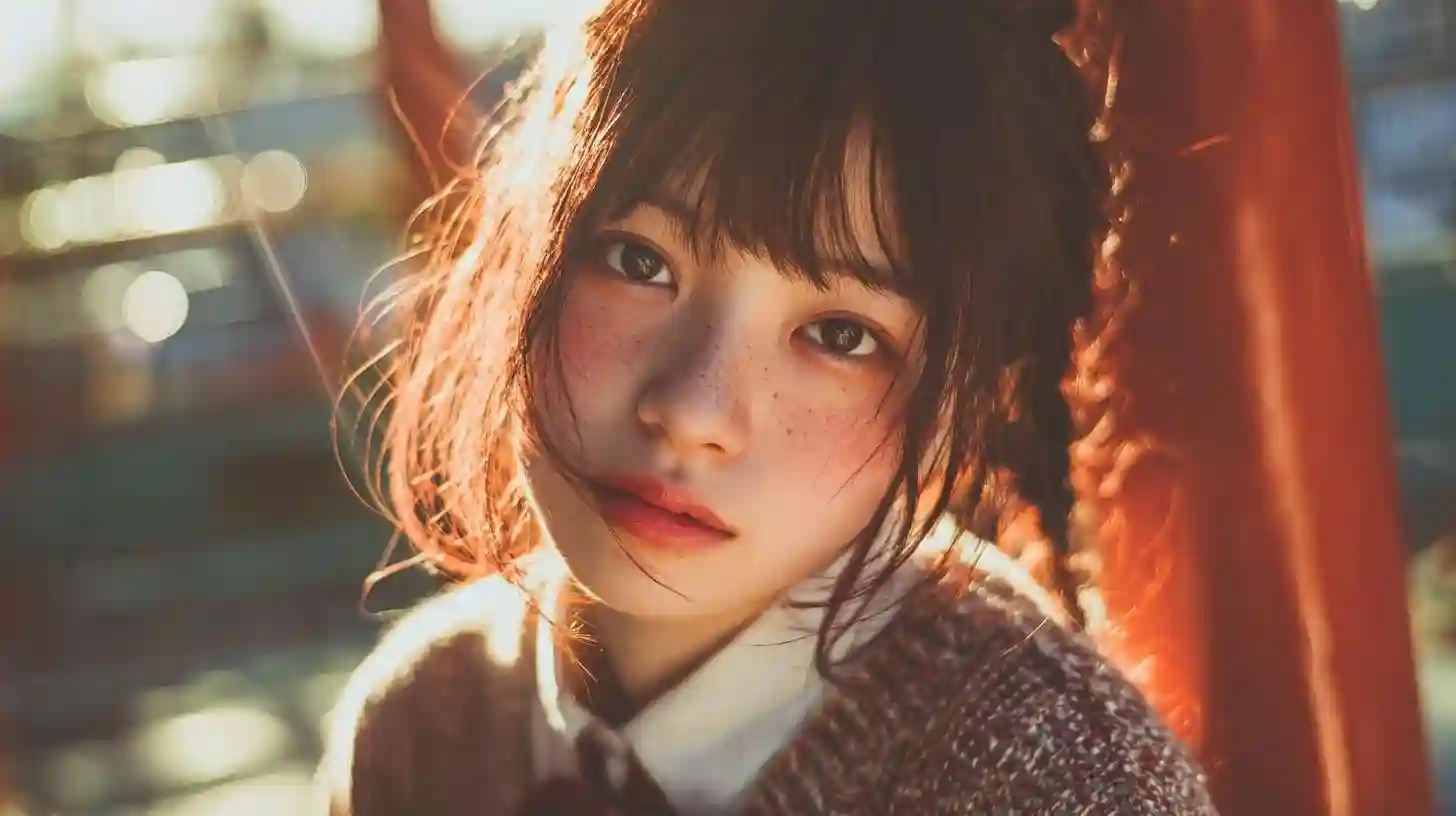
Japanese cute girl style, often referred to as “kawaii” style, is a deeply ingrained cultural phenomenon in Japan. The concept of "kawaii," which means "cute" or "adorable," permeates various aspects of Japanese fashion, from everyday wear to high fashion runways. This style is characterized by a youthful and innocent aesthetic, drawing inspiration from a mix of childhood memories, anime culture, and a playful sense of femininity. The essence of the kawaii look is about embracing softness, innocence, and a sense of charm, creating an overall aura of girlish appeal.
The fashion associated with Japanese cute girl style is diverse but often revolves around key elements such as oversized clothing, pastel colors, frills, bows, and lace. These details contribute to the overall girly and playful vibe. One of the most iconic features of kawaii fashion is its emphasis on making the wearer look youthful and innocent, blurring the line between childhood and adulthood. This can be seen in the frequent use of accessories like headbands, hairpins, and oversized socks, which add a whimsical and slightly nostalgic touch.
One of the popular substyles within the kawaii fashion category is "Harajuku style," named after the Harajuku district in Tokyo. This area is known as a hub for vibrant, eclectic street fashion, where young people experiment with bold, often exaggerated combinations of clothing and accessories. Harajuku style is not afraid to mix and match patterns, textures, and colors, resulting in an attention-grabbing look that is both unique and experimental. A key feature of Harajuku fashion is the willingness to embrace elements that might traditionally be seen as childish or over-the-top, like oversized bows, cartoon-themed prints, and playful characters.
In contrast, "Lolita fashion," another well-known kawaii-inspired style, draws inspiration from Victorian-era clothing. This subculture revolves around intricate dresses, lace, ribbons, and petticoats, all of which combine to create a look that is elegant, refined, and childlike in its innocence. The clothing is often paired with accessories like knee-high socks or stockings, bonnets, and lace gloves, further enhancing the style's vintage-inspired aesthetic. Lolita fashion is known for its emphasis on modesty and grace, offering a modern reinterpretation of the Victorian ideals of femininity, with a touch of youthful fantasy.
Another prominent influence in the Japanese cute girl style comes from the world of anime and manga. Characters from these forms of media often embody idealized versions of cuteness, sporting exaggerated features like large eyes, round faces, and small, delicate features. This visual language has heavily influenced both the fashion and beauty standards associated with kawaii culture. Cosplay, the practice of dressing up as favorite anime or manga characters, further blurs the line between fantasy and reality. It has become a prominent aspect of kawaii culture, with fans using clothing and accessories to recreate the looks of their beloved characters, whether it be in a literal or artistic interpretation.
Makeup plays a significant role in completing the cute girl look. Japanese makeup trends often focus on achieving a youthful, soft appearance, with emphasis on large, bright eyes. This is achieved using soft, natural shades for eyeshadow, bright blush to give the cheeks a subtle glow, and false eyelashes or circle lenses to make the eyes appear larger. The idea is to create an innocent and approachable look, enhancing natural features without appearing too bold or dramatic. This aligns perfectly with the overall kawaii aesthetic, which prioritizes subtlety and gentleness.
The cute girl style also integrates elements of Japanese pop culture, where idols, influencers, and celebrities often promote this look. In Japan, idols are often seen wearing kawaii-inspired fashion, helping to solidify the style's popularity. The idols embody the youthful innocence and charm that kawaii fashion seeks to represent, making them an essential part of the style’s cultural identity. Their influence has helped to spread the aesthetic beyond Japan, with fashion enthusiasts around the world adopting elements of kawaii style into their own wardrobes.
In many ways, Japanese cute girl style represents more than just a fashion choice; it is a reflection of a cultural desire to maintain youthfulness, innocence, and playfulness in the face of a rapidly modernizing world. It acts as a counterbalance to the pressures of adulthood and conformity, offering an escape into a world of softness and charm. Through its emphasis on cute, delicate, and whimsical aesthetics, the kawaii style has become a symbol of the unique and ever-evolving creative spirit that defines contemporary Japanese fashion.