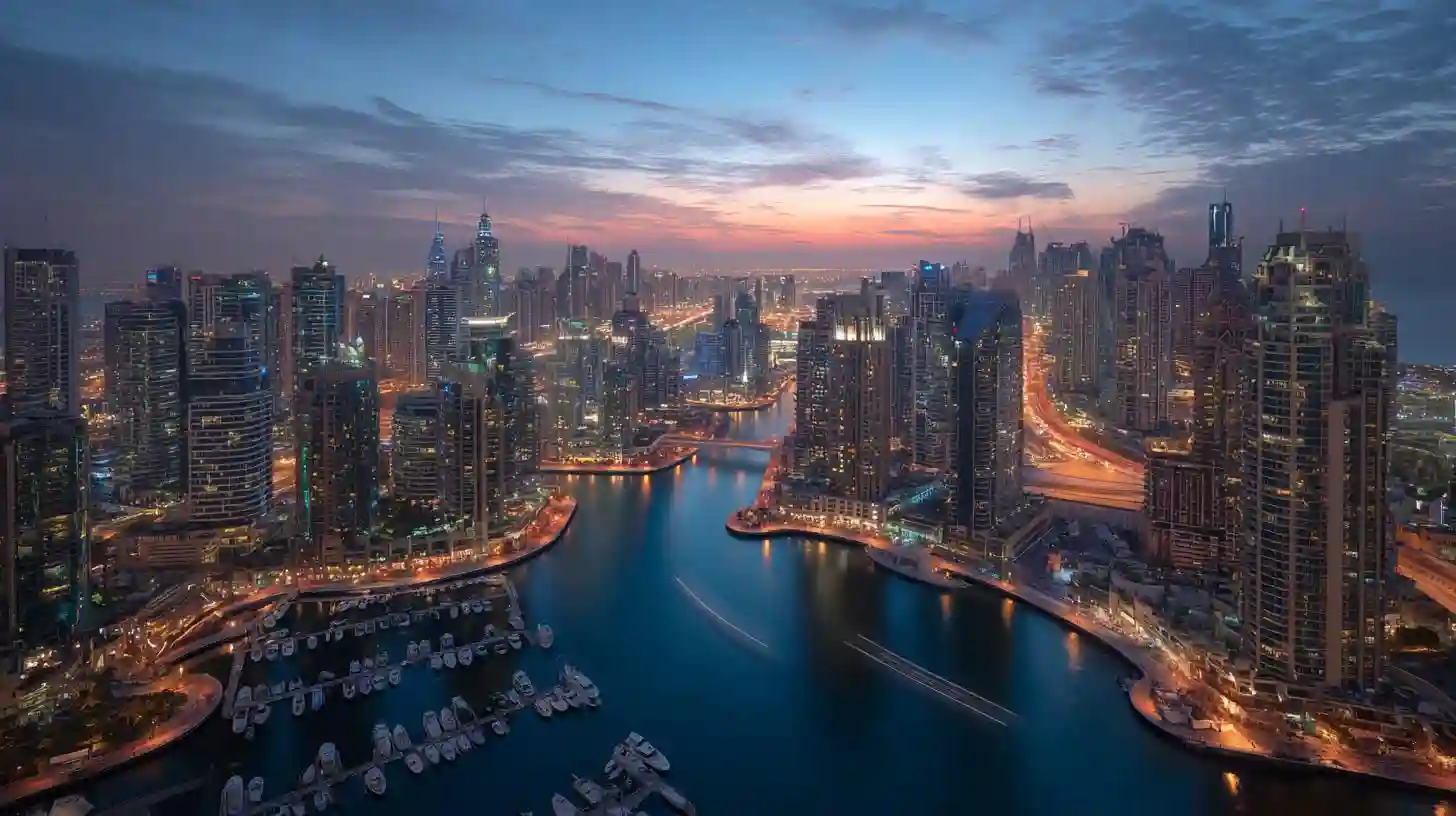
Long exposure photography is a technique that opens up a world of possibilities, turning ordinary scenes into mesmerizing works of art. The ability to capture the movement of time in a single frame is a concept that excites photographers and viewers alike. Cityscapes and nature landscapes are among the most popular subjects for this type of photography, and when done right, they reveal a hidden beauty that often goes unnoticed in real-time. By using longer exposure times, photographers are able to transform dynamic, fast-paced environments into something ethereal and peaceful, while nature scenes become softened and dreamy.
In a cityscape, the long exposure technique is often used to capture the movement of traffic. A simple street scene can become a glowing river of light as car headlights and taillights streak across the frame. The resulting image shows a striking contrast between the static elements of the city, such as buildings and streetlights, and the fluid motion of the vehicles. The buildings may appear sharp and detailed, frozen in time, while the vehicles blur into long, luminous lines, illustrating their speed and movement. This effect is particularly dramatic at night, where artificial lights become the subject of the composition, casting a soft glow across the city streets. The combination of natural darkness and the brightness of city lights is what makes long exposure so effective in these urban environments. The stillness of the city juxtaposed with the bustling motion of the cars, people, and even pedestrians walking by creates an almost dreamlike quality to the image, as if the city is alive with energy, but also calm and silent at the same time.
Nature, on the other hand, offers a different set of challenges and rewards when it comes to long exposure photography. Natural elements such as water, clouds, and trees are ideal subjects for capturing the passage of time. Waterfalls, for example, are often photographed with long exposures to create the silky, smooth effect of flowing water. When a photographer uses a long exposure to capture a waterfall, the water becomes a soft blur that contrasts with the hard, sharp rocks and surrounding scenery. The effect is mesmerizing, turning a powerful natural force into something calm and gentle. Similarly, seascapes benefit greatly from long exposure techniques. The ocean, with its constant motion, becomes a serene and almost glassy surface when captured in this way, giving the viewer a sense of tranquility that they might not experience if they were simply observing the scene in real life.
Clouds, too, are transformed under long exposure. A cloudy sky, especially on windy days, can become a swirling mass of soft streaks, as if the clouds are moving in a slow dance across the sky. This gives the landscape a sense of movement, even though the photographer has captured a moment frozen in time. It is one of the most compelling aspects of long exposure photography — the paradox of capturing motion while creating a static image. Long exposure of nature scenes also allows the photographer to manipulate light in a unique way. For instance, during sunrise or sunset, the light slowly changes in color and intensity, offering a golden or soft, cool palette that can be captured with long exposures, adding depth and atmosphere to the photograph.
While the effects of long exposure in cityscapes are often associated with artificial light and motion, nature long exposure photography relies more on the natural flow of elements. It creates images that are both hauntingly beautiful and timeless. These photos allow the viewer to experience a fleeting moment that would otherwise be invisible to the naked eye. The movement captured in these images reminds us that the world around us is in constant flux, even when it appears still.
The magic of long exposure photography lies in its ability to show the passage of time in a way that we, as humans, can’t perceive with our eyes. The ability to transform the mundane into something extraordinary — whether it’s the traffic of a busy city or the gentle flow of water in a quiet forest — is what makes this technique so captivating. It brings a new layer of interpretation to both urban environments and natural landscapes, revealing a beauty that is often hidden from view. The contrast of motion and stillness, light and dark, sharp and blurred elements create an atmosphere that resonates long after the viewer has looked away. It is an art form that allows photographers to tell stories through time, offering a unique perspective on the world we live in.