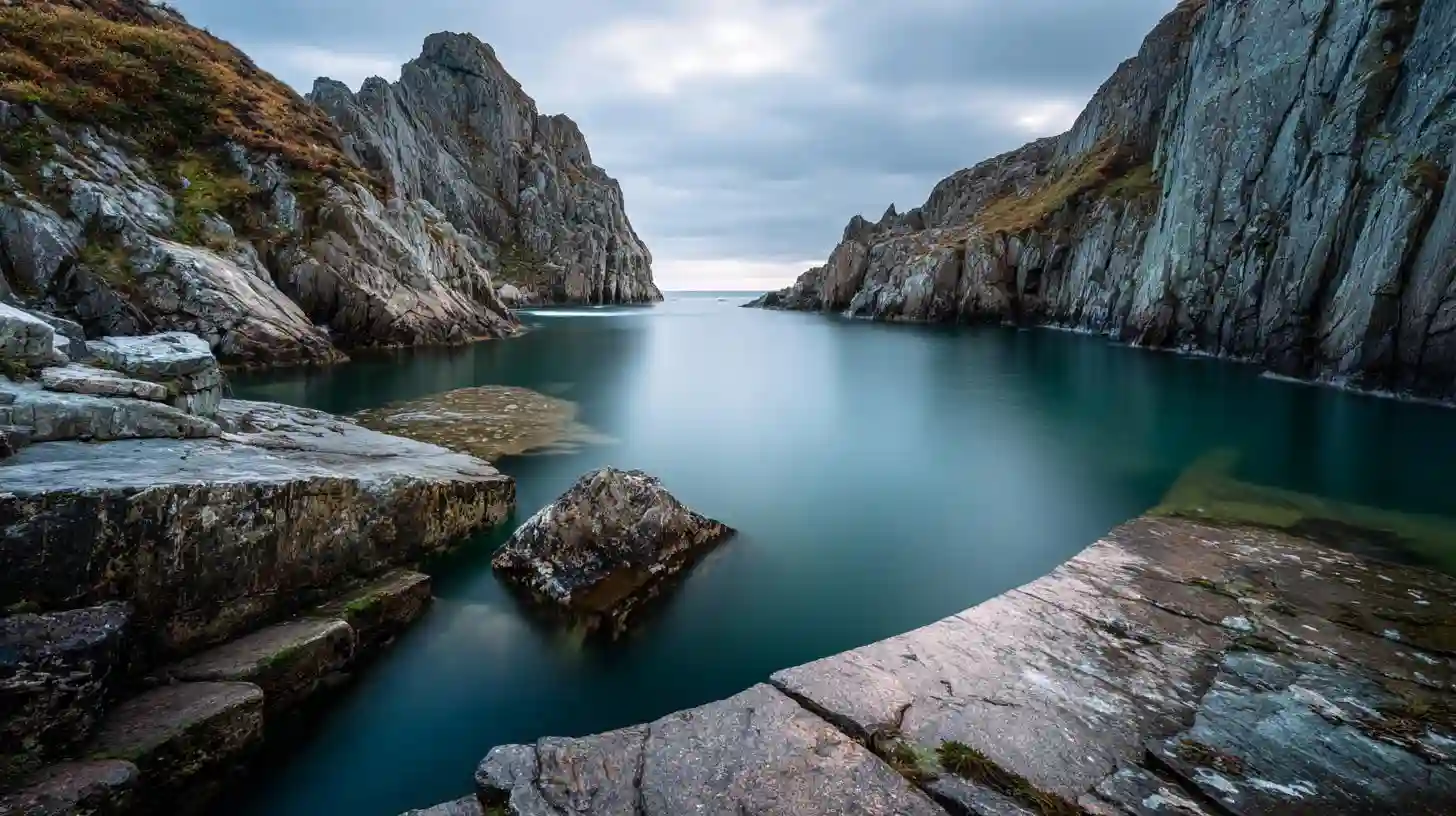
Long exposure photography is a captivating technique that allows photographers to capture moments in time that would otherwise be invisible to the naked eye. By keeping the camera's shutter open for an extended period, photographers can create stunning images that convey movement, light, and emotion in a unique and artistic way. This technique is often used in landscapes, cityscapes, and nighttime photography, but it can be applied to virtually any subject matter. Whether you're a beginner looking to experiment or an experienced photographer aiming to improve your skills, understanding the fundamentals of long exposure photography and the methods to master it will elevate your work and help you create awe-inspiring images.
To begin, one of the most important aspects of long exposure photography is understanding how the exposure time affects the final image. The longer the shutter is open, the more light is captured, and this results in a smoother, more dynamic representation of moving objects. Waterfalls become soft, misty flows, while clouds streak across the sky in sweeping lines. Traffic lights leave trails of red and white, transforming busy streets into scenes of motion. The key is to find the perfect balance between the amount of light that enters the camera and the desired effect you want to achieve.
A tripod is an essential tool for long exposure photography. Since the camera needs to remain perfectly still for a prolonged period, even the slightest movement can cause blurring or distortion. A sturdy tripod ensures that your camera stays in position and allows you to achieve sharp, clear images. If you're shooting in low light conditions, a tripod will also help you avoid camera shake and maintain sharpness throughout the exposure time.
Another crucial element in long exposure photography is the use of filters. Neutral density (ND) filters, for example, are commonly used to reduce the amount of light entering the lens. This allows you to use longer exposure times during the day, even in bright conditions, without overexposing the image. ND filters come in various strengths, with higher numbers offering a greater reduction in light. Graduated ND filters can also be helpful when photographing landscapes, as they allow for a balanced exposure across the frame, particularly when there's a significant difference in brightness between the sky and the foreground.
When setting up your camera for a long exposure shot, you'll want to use a small aperture to ensure a deep depth of field. A higher f-stop number, such as f/8 or f/11, will allow you to keep more of the scene in focus, from the foreground to the background. However, it’s important to note that very small apertures can introduce diffraction, which can soften the image. This is where experimentation and finding the sweet spot for your lens come into play.
The camera’s ISO setting should be kept as low as possible, ideally around ISO 100 or 200, to avoid introducing noise into the image. Since the exposure time is long, the camera will have plenty of time to capture the light, so you don't need to increase the ISO. Keeping the ISO low ensures the final image remains clean and sharp.
Shutter speed is one of the most important settings to control when doing long exposure photography. To achieve the desired effect, such as the smoothness of water or the light trails of cars, you’ll need to adjust the shutter speed to match the scene. For example, if you're photographing a waterfall, you might need an exposure time of several seconds or even minutes to capture the flow of water in a soft, ethereal manner. Conversely, if you're photographing light trails from cars, you’ll want to adjust the exposure to several seconds to capture the movement of the lights.
In addition to these technical aspects, the composition of the image plays a vital role in creating striking long exposure photographs. Pay attention to the elements within the frame, and think about how movement can add to the visual impact of the image. For instance, positioning yourself at the edge of a lake while capturing the reflection of a tree can create a symmetrical image that’s enhanced by the blurred movement of the water. Leading lines, such as roads or rivers, can also draw the viewer’s eye through the photograph and add depth to the scene.
The time of day and the lighting conditions are also significant factors in long exposure photography. Early morning or late afternoon light often provides soft, diffused lighting that is ideal for this type of photography. Golden hour can add a warm, ethereal glow to your shots, while nighttime photography opens up possibilities for capturing city lights, star trails, and light painting. The key is to understand how different lighting conditions will affect the exposure time and the final look of your image.
Another technique that enhances long exposure photography is light painting. This involves moving a light source, such as a flashlight or sparklers, within the frame during a long exposure. By moving the light, you can create intricate patterns, shapes, and designs that add an artistic, almost magical element to your photos. This technique can be used in both indoor and outdoor settings, allowing for creative expression while experimenting with long exposure times.
Ultimately, mastering long exposure photography comes down to practice and experimentation. Try different exposure times, compositions, and lighting conditions to see how they affect the final image. Don’t be afraid to make mistakes, as they often lead to the most interesting and unique photographs. With patience and a willingness to experiment, you’ll develop your own style and be able to create breathtaking long exposure images that showcase the beauty of time and movement in a way that few other techniques can.