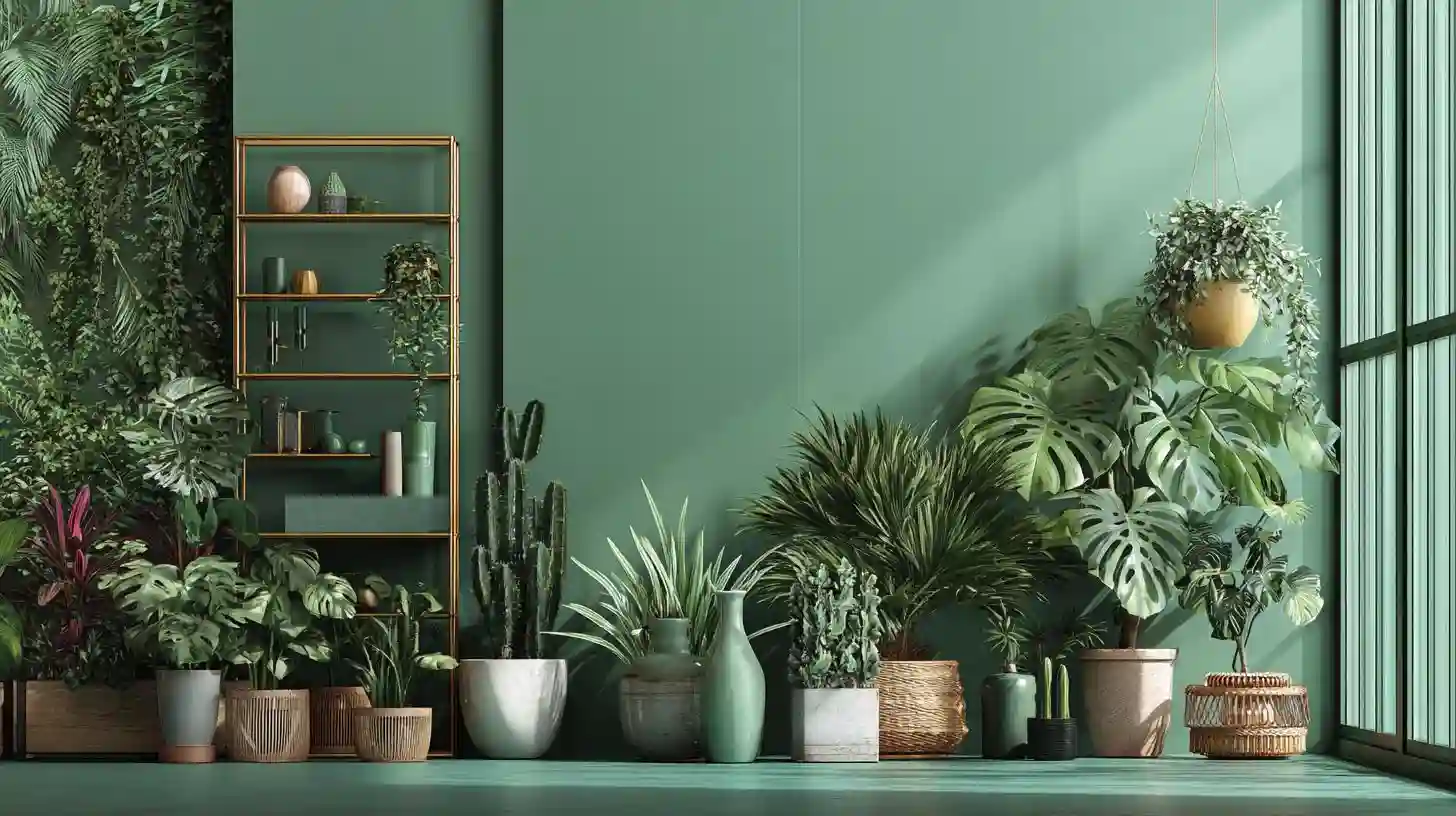
Potting and caring for indoor plants is a rewarding experience that can transform your living space into a serene, natural environment. With the right techniques and knowledge, indoor plants can thrive even in less-than-ideal conditions. Whether you are new to plant care or looking to refine your skills, expert tips can help ensure your plants remain healthy and vibrant.
When selecting a pot for your indoor plant, size matters. It is important to choose a pot that is just slightly larger than the plant's root ball. Too large a pot can lead to overwatering and root rot, as the soil will retain excess moisture. Conversely, if the pot is too small, the plant may become root-bound, which can stunt its growth and lead to nutrient deficiencies. Additionally, ensure the pot has drainage holes. Without proper drainage, water can accumulate at the bottom, causing the roots to drown. If you find a pot that does not have drainage holes, you can still use it, but you will need to be more careful about how much water you add.
The type of soil you use is another key factor in ensuring the success of your indoor plants. Many plants thrive in well-draining potting mix, which prevents water from accumulating around the roots. It is essential to select the right soil for the specific type of plant you are potting. For example, succulents and cacti require a sandy, well-draining mix, while tropical plants prefer a more moisture-retentive soil. For most plants, a general-purpose indoor potting mix works well. Always check the plant's needs before deciding on the type of soil, as each species has its unique requirements.
When potting the plant, start by adding a layer of soil at the bottom of the pot to create a base. Carefully remove the plant from its nursery pot, being mindful of the roots. If the plant is root-bound, gently loosen the roots before placing it in the new pot. Position the plant in the center of the pot and fill around it with soil. Make sure to firm the soil gently but avoid packing it too tightly, as the roots still need to be able to spread and breathe. Leave a small gap between the soil surface and the rim of the pot to allow room for watering. After potting, water the plant thoroughly to settle the soil around the roots.
Indoor plants need to be watered regularly, but the frequency depends on the type of plant, the season, and the environment. Overwatering is a common mistake that can lead to root rot and other issues. It is better to let the soil dry out slightly between waterings than to keep it constantly soggy. To determine when to water, stick your finger into the soil. If it feels dry an inch or two down, it's time to water. On the other hand, if it still feels moist, wait a few days before checking again. Always water the plant thoroughly until water flows from the drainage holes, ensuring that all the roots receive moisture. Avoid letting plants sit in standing water, as this can lead to root rot.
In addition to watering, indoor plants require appropriate light to thrive. Most plants do well in bright, indirect light, but some plants, like succulents, may need more direct sunlight to grow healthily. Conversely, low-light plants such as snake plants or pothos can tolerate dimmer conditions but still need some light to survive. When placing plants in your home, consider the lighting conditions of each room. If your space doesn't have sufficient natural light, you may need to supplement with grow lights. Keep in mind that excessive sunlight can also cause damage, leading to scorched or discolored leaves. Observe your plants closely, and adjust their placement based on how they respond to light.
Temperature and humidity are also essential for plant health. Most indoor plants prefer temperatures between sixty-five and seventy-five degrees Fahrenheit. Dramatic temperature fluctuations can stress plants, causing them to drop leaves or stop growing. Keep plants away from heat sources like radiators, air conditioners, or drafty windows. Humidity is another factor that can affect plant growth. Many indoor plants, particularly tropical varieties, thrive in higher humidity levels. If your home is dry, consider placing a humidifier nearby or grouping plants together to create a microenvironment with higher humidity. Alternatively, you can mist the leaves occasionally, though this may not be sufficient for plants that require consistent moisture in the air.
Fertilizing your indoor plants is another important aspect of plant care. Plants need nutrients to grow, and while potting soil typically provides enough for the first few months, regular feeding is essential as the plant continues to grow. Choose a balanced, water-soluble fertilizer suitable for your plant's needs, and follow the manufacturer's instructions for application. Generally, plants are fertilized during their growing season, which is usually in spring and summer, and less frequently during the dormant fall and winter months.
Pruning is also crucial for keeping indoor plants healthy and aesthetically pleasing. Regularly remove dead or yellowing leaves, as well as any spent flowers, to encourage new growth and prevent disease. Some plants may benefit from more extensive pruning to maintain their shape or control their size. For example, a leggy plant may need to be trimmed to encourage fuller growth. Always use clean, sharp scissors or pruning shears to avoid damaging the plant.
Finally, be vigilant for pests that may invade your indoor plants. Common pests include spider mites, aphids, and mealybugs. If you notice small holes in leaves, sticky residue, or webs on your plants, inspect them closely for signs of pests. In most cases, a mild insecticidal soap or a mixture of water and dish soap can effectively remove pests. For more persistent infestations, you may need to consult a professional or use a stronger treatment. Regularly cleaning your plants and inspecting them for pests will help keep them healthy and free of unwanted invaders.
Caring for indoor plants requires attention and patience, but the rewards are well worth the effort. With the right potting technique, proper watering, sufficient light, and regular maintenance, your indoor garden can flourish, adding beauty and a sense of tranquility to your home.