Across the globe, festivals hold a special place in the hearts of millions, offering a chance to celebrate culture, history, religion, and art. These events, often marked by grand parades, colorful decorations, music, and food, draw people from all corners of the world, showcasing the rich diversity of human tradition. Some festivals have grown so famous that they attract tourists in the millions, becoming iconic symbols of their countries.
One of the most widely known festivals is the Carnival in Rio de Janeiro. Held annually in Brazil, it is famous for its extravagant parades, samba dancers adorned in feathers, and massive street parties. The energy and spectacle of Rio’s Carnival are unmatched, drawing millions of visitors who come to immerse themselves in the vibrancy of the city’s culture. This festival marks the beginning of Lent in the Christian calendar, but it has transformed over the years into a larger-than-life celebration of Brazilian identity.
In Spain, the Running of the Bulls in Pamplona captivates both locals and international visitors alike. Though the event is rooted in a centuries-old tradition tied to the Feast of St. Fermin, it has become more than just a religious observance. With participants racing ahead of charging bulls through narrow streets, the festival symbolizes courage, tradition, and a thrilling celebration of life. The combination of adrenaline, history, and boldness makes it a truly unique event in the world.
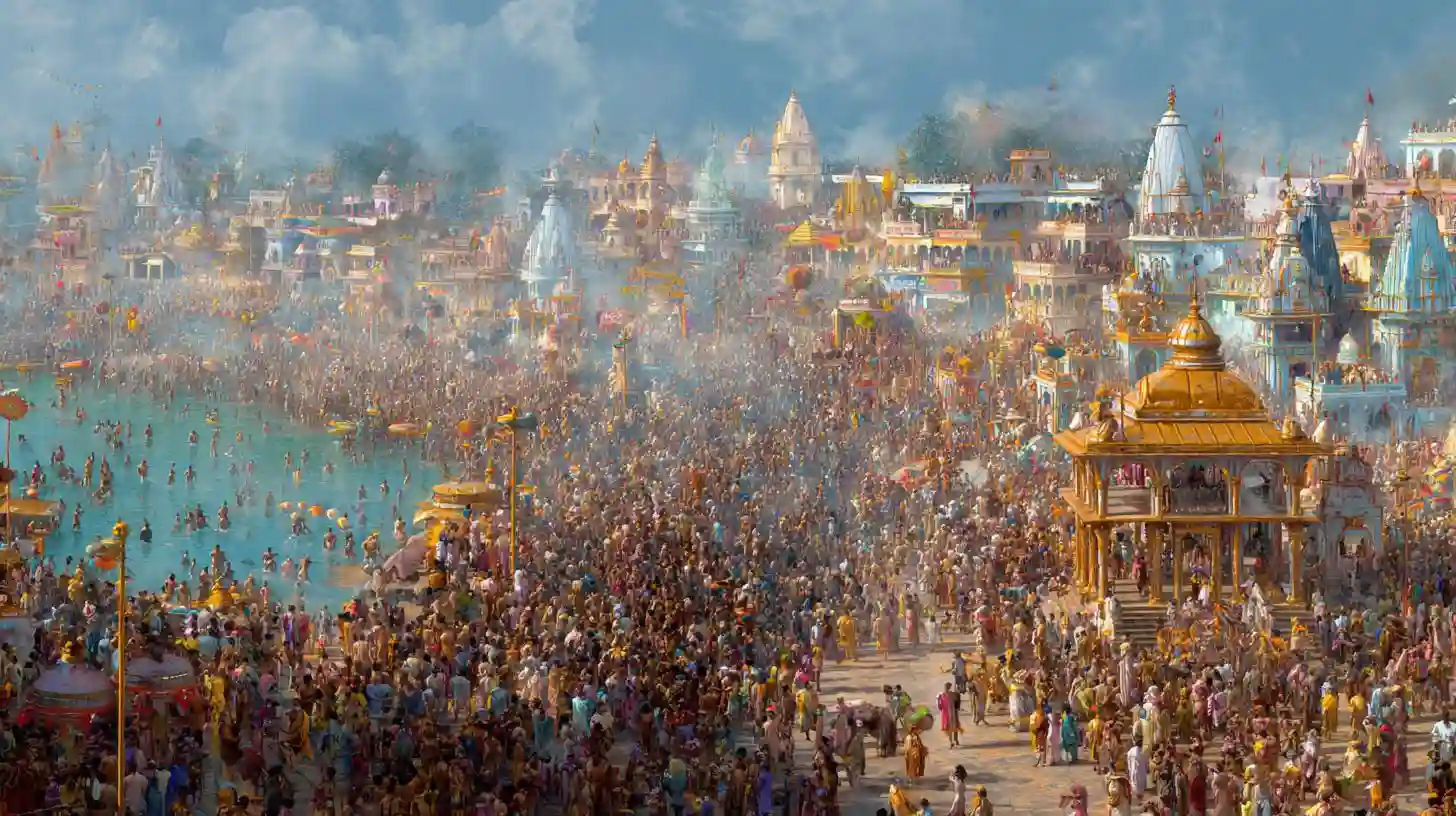
The Diwali festival in India is another of the world’s most celebrated occasions. Known as the Festival of Lights, Diwali honors the victory of light over darkness and good over evil, as well as the return of Lord Rama to his kingdom after 14 years of exile. The streets of India, particularly in cities like Delhi and Mumbai, come alive with stunning displays of fireworks, candle-lit homes, and intricate rangoli designs. The festival’s significance transcends religious boundaries, as it is celebrated by Hindus, Sikhs, Jains, and Buddhists alike, making it one of the most inclusive and vibrant festivals in the world.
Further east, Japan’s Cherry Blossom Festival, or Hanami, is celebrated each spring as people gather to witness the fleeting beauty of cherry blossoms in full bloom. The Japanese have long revered the sakura tree for its ephemeral nature, and the festival reflects a deeper cultural appreciation for the transient beauty of life itself. The sight of pink blossoms covering parks and temples, coupled with traditional Japanese food, makes this festival both serene and joyful.
In Mexico, the Day of the Dead (Día de los Muertos) is a unique celebration that honors deceased loved ones. This festival, deeply rooted in Aztec traditions, combines indigenous customs with Catholic influences. Families create altars filled with flowers, candles, and offerings to guide the souls of the departed back home. The festival's vibrant colors, festive music, and reverence for ancestors make it a deeply emotional and spiritually significant event.
In Scotland, the Edinburgh Festival Fringe is the largest arts festival in the world, showcasing a diverse array of performances, from theater and dance to comedy and music. Held every August, it transforms the city into a cultural hub, where thousands of performers and spectators come together to celebrate creativity and artistic expression. What started as a small gathering of theater groups has since become a global phenomenon, making it a must-visit for anyone passionate about the arts.
In Thailand, Songkran marks the traditional Thai New Year with a joyous water fight that has become world-famous. The festival, which takes place in April, sees people of all ages dousing each other with water in the streets, symbolizing the washing away of bad luck and welcoming a fresh start. Parades, street parties, and cultural performances add to the festive atmosphere, making it one of the most fun and widely anticipated events in Southeast Asia.
The Mardi Gras celebration in New Orleans is another renowned festival that draws millions of visitors each year. Known for its iconic parades, extravagant costumes, and masked balls, Mardi Gras marks the last day of indulgence before the fasting period of Lent. It is a celebration of exuberance, with floats throwing beads, the streets filled with music, and revelers dressed in purple, green, and gold. This festival has become synonymous with the spirit of New Orleans itself—vibrant, festive, and unrestrained.
The Venice Carnival in Italy, with its origins dating back to the 11th century, is a unique event where visitors and locals alike don elaborate masks and costumes. The carnival is known for its regal elegance and mystery, as people gather in the Piazza San Marco to attend masquerade balls and parades. The atmosphere is one of intrigue and enchantment, as masks hide identities and the line between reality and fantasy blurs. Venice, already a city of allure, is transformed into a magical world during this iconic celebration.
Finally, Oktoberfest in Munich, Germany, is a festival that celebrates Bavarian culture, especially its beer. It is the largest beer festival in the world, attracting millions of visitors each year to partake in drinking traditional German beer, savoring hearty foods, and enjoying folk music. The festival has become an integral part of German identity and is celebrated with great enthusiasm, not just in Munich, but in many parts of the world.
These festivals offer a glimpse into the hearts of their cultures, each one with its own unique traditions and charm. They captivate millions not just because of their grandeur, but because they provide an opportunity to experience the joy of shared human connection, and to participate in something greater than oneself. Whether through music, food, dance, or tradition, these festivals create a sense of unity, celebration, and remembrance that transcends borders and brings the world together.