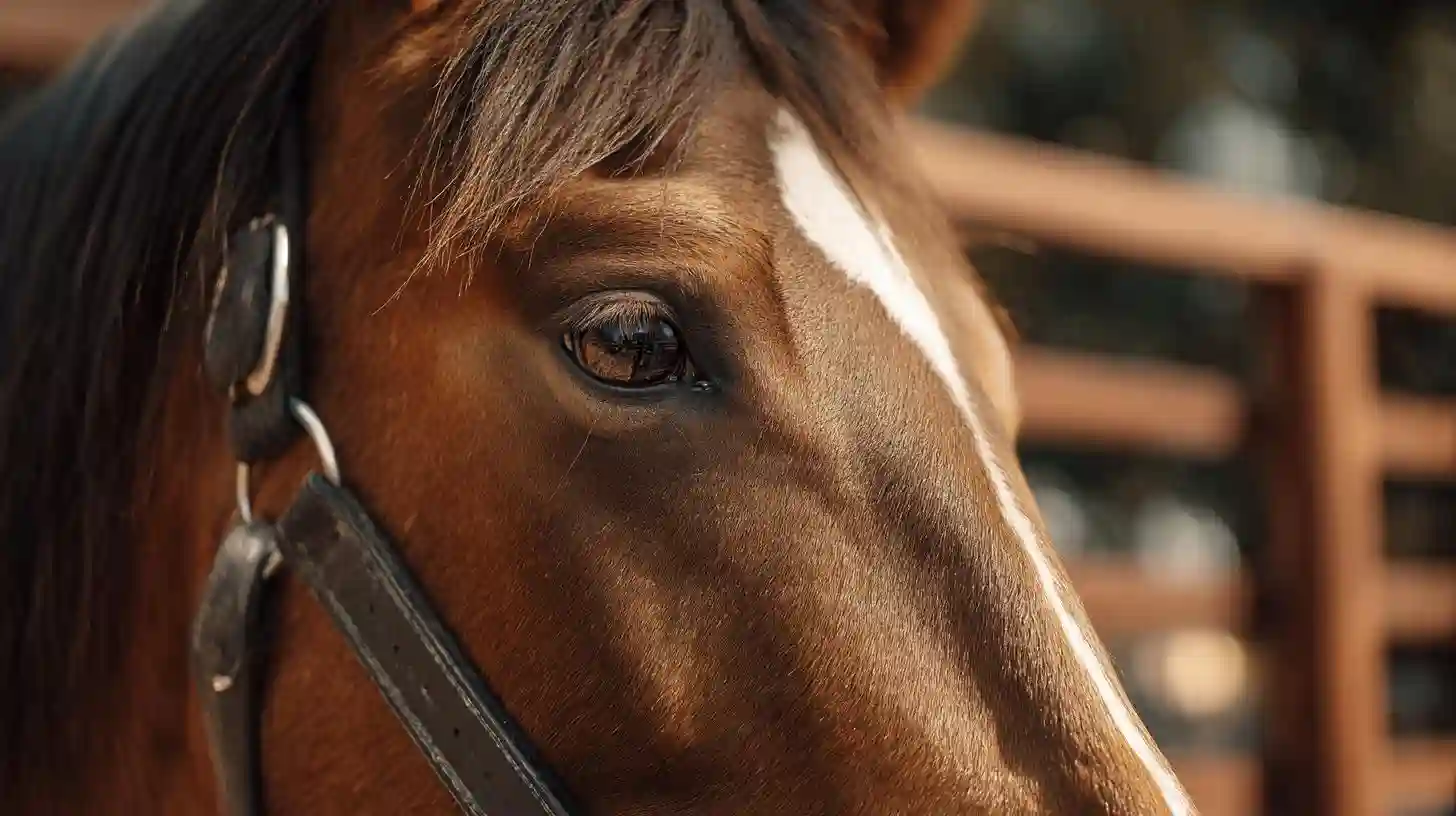
When evaluating the health and quality of a horse based on its appearance, there are several key factors that professionals look for. These elements give vital clues about the animal's overall well-being, physical condition, and potential for performance, whether it is a racehorse, a working horse, or one used for leisure riding. One of the most important aspects to examine is the horse's coat. A shiny, smooth coat is generally an indicator of good health. It reflects proper nutrition, good grooming, and a well-maintained immune system. Conversely, a dull, rough, or patchy coat might suggest underlying health issues such as poor nutrition, parasites, or even metabolic problems. Regular grooming can help promote a healthy coat, but the natural luster it maintains is often a sign of the horse's internal health. The skin beneath the coat should also be checked for any wounds, irritations, or signs of infection. Healthy skin is free from excessive scarring or lesions, and the absence of visible lumps or bumps indicates good health. Any unusual growths or bumps on the skin should be monitored closely, as they could signal skin tumors or other conditions that may require veterinary attention. Another critical area for evaluation is the horse’s body condition. A horse that is well-fed and in good physical condition will have a firm, muscled build with visible but not excessive fat deposits. This suggests the animal has been fed appropriately for its workload and health requirements. On the other hand, a horse that is too thin may suffer from malnutrition or be overexerted, while a horse that is overly fat may have metabolic issues or not be getting enough exercise. The ribs should be palpable but not protruding, and the spine should not be visible unless the horse is in poor condition. Examining the horse's eyes is also essential in assessing its health. Clear, bright eyes are often associated with a healthy, well-cared-for horse. Sunken or cloudy eyes could be a sign of dehydration or more serious health problems like infections, cataracts, or even equine metabolic disorders. It’s also important to check the horse’s pupils for signs of irregularity, as an abnormal pupil size or reaction can indicate neurological issues. Additionally, a horse's gait and movement reveal much about its physical well-being. A smooth, steady walk without any lameness or stiffness is an indicator of good joint health and proper muscle tone. If the horse shows signs of lameness, limping, or stiffness, this could suggest underlying problems in the hooves, joints, or muscles. Lameness in particular should not be ignored, as it can lead to further complications if not addressed quickly. When evaluating the hooves, the condition of the horse's feet provides insight into its overall health. Healthy hooves are hard, smooth, and well-shaped, with no cracks, abscesses, or signs of disease such as thrush. Hoof care is critical to a horse's ability to work or perform, as poor hoof health can lead to severe lameness and discomfort. Hooves should be trimmed regularly by a farrier to ensure proper alignment and support. The horse's posture also reveals important information. A horse that holds its head high and its body straight generally has a good frame and healthy skeletal structure. A dropped head or a slouched back could indicate discomfort or pain, possibly due to musculoskeletal problems. It is important to assess the horse’s general demeanor as well. A horse that is alert, responsive, and calm indicates good mental health. A horse that is lethargic, overly aggressive, or exhibits signs of depression may be dealing with stress, illness, or injury. Monitoring behavior over time allows caretakers to pick up on subtle changes that may signal health problems before they become more serious. The teeth are another significant indicator of health. A horse’s teeth can offer a lot of information about its age, diet, and overall health. Older horses may experience worn-down teeth, which can lead to difficulty eating and poor nutrition. Similarly, misaligned or broken teeth can cause pain and prevent the horse from eating properly, leading to weight loss and other complications. Regular dental care by a veterinarian is crucial to maintaining a horse's health. A horse's digestive system can also be evaluated through its eating habits and body condition. Horses that eat their feed in a healthy manner, with no signs of colic or digestive upset, are generally in good health. Any signs of excessive salivation, bloating, or discomfort after eating may point to gastrointestinal issues such as colic, ulcers, or other digestive disorders that require immediate attention. A thorough inspection of the horse’s overall appearance—its coat, body condition, eyes, hooves, and movement—provides a detailed picture of its health and well-being. However, it is always recommended to consult with a veterinarian for more in-depth examinations and regular check-ups. With a combination of careful observation and professional care, a horse can maintain its health and continue to perform at its best for many years.