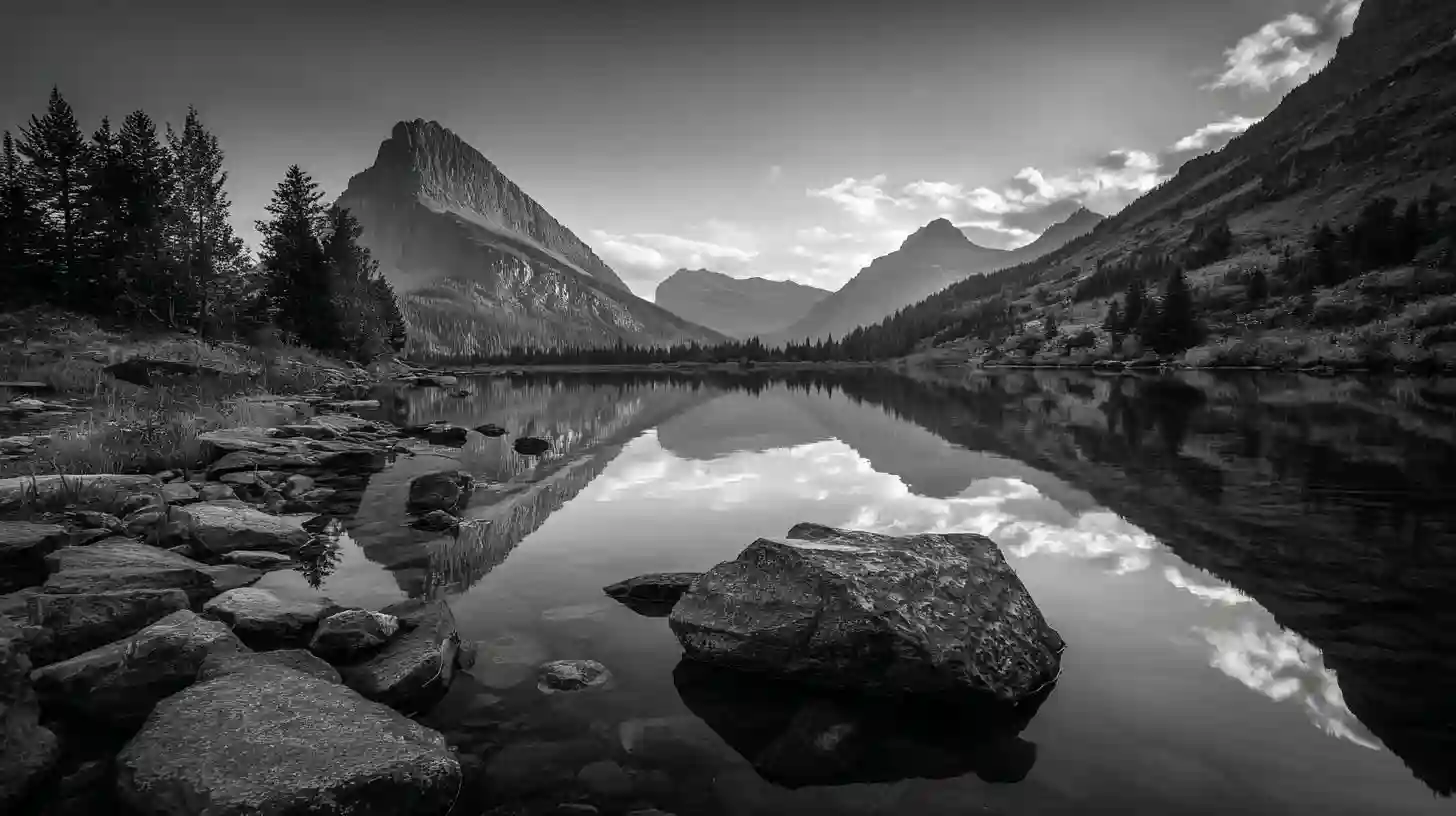
Black and white photography has long been celebrated for its timeless aesthetic and ability to capture the soul of an image. Many expert photographers agree that mastering this art form requires more than just the absence of color. It involves understanding light, texture, contrast, and the emotional weight that monochrome images can evoke. One of the first lessons shared by professionals is the importance of seeing the world differently. In black and white photography, contrast plays a pivotal role. It's not just about capturing a scene in shades of gray but about understanding the interplay between light and shadow. The way light falls on an object, how it carves out shapes and textures, is what creates the dramatic effect that black and white images are known for. Photographers recommend that when shooting in black and white, one should pay close attention to the natural lighting available. The light can add depth and dimension to the subject, enhancing its form without the distraction of color. Many experts suggest shooting during the golden hours, just before sunrise or after sunset, when the lighting is softer and more diffused. The way shadows stretch and wrap around subjects creates a rich contrast, which adds a sense of drama to the photograph. Texture also becomes more prominent in black and white photography. Without the diversion of color, the details in the surface of the subject, whether it’s the roughness of tree bark, the smoothness of a water surface, or the intricate folds of fabric, stand out more. Expert photographers often advise focusing on subjects that have distinct textures, as they will stand out strongly in black and white imagery. Black and white photography also encourages a deeper focus on composition. The balance between the elements of the image becomes essential. Photographers suggest practicing techniques like leading lines, framing, and the rule of thirds to create a harmonious image. These compositional techniques work well in color photography as well, but they become even more critical in monochrome photography because they direct the viewer’s eye without the assistance of color contrast. When working in black and white, photographers are advised to become experts at visualizing their images in grayscale before they even press the shutter button. While color photography is often intuitive, black and white photography requires a more thoughtful approach. Before taking a shot, an experienced photographer will consider how the colors in a scene will translate into various shades of gray. This exercise involves recognizing what the final image will look like and how to achieve a balanced range of tones from the purest blacks to the brightest whites. A key aspect of mastering black and white photography is post-processing. The digital age has made it easier than ever to shoot in color and convert to black and white afterward, but skilled photographers emphasize the importance of fine-tuning the image in editing. Techniques like adjusting contrast, dodging and burning, and carefully manipulating the tonal range can elevate the image far beyond a simple conversion. Some professionals even use filters in their editing process to adjust the intensity of certain tones, making the photograph more dynamic and impactful. Another common piece of advice from seasoned black and white photographers is to embrace minimalism. Without the distraction of color, a minimalist approach can often be more effective in creating powerful images. Focusing on one subject, reducing background clutter, and simplifying the scene can all help bring the viewer’s attention directly to the essence of the photograph. This can create an almost meditative quality in the work, drawing the viewer into the moment. The emotional power of black and white photography cannot be overstated. Many photographers emphasize the way monochrome images evoke a sense of nostalgia, mystery, or even melancholy. Because color is absent, the viewer’s attention is often drawn to the mood conveyed through the light, texture, and form of the image. This can create a more intimate connection between the viewer and the subject, evoking a stronger emotional response. Finally, expert photographers agree that developing a personal style is crucial. Black and white photography offers infinite possibilities for expression, from high-contrast, dramatic images to soft, ethereal works. The ability to experiment with different styles and techniques allows photographers to develop their unique approach to this art form. Whether one gravitates toward stark contrasts or subtle gradients, embracing this flexibility is what makes black and white photography an endlessly fascinating and evolving discipline. Photographers who have mastered the art of black and white photography often encourage beginners to experiment and learn by doing. The more time spent behind the camera, observing the play of light and shadow, and understanding how to translate the world into monochrome, the more confident a photographer becomes in their craft. It is an ongoing process of trial and error, creativity, and dedication that leads to true mastery in this striking visual medium.