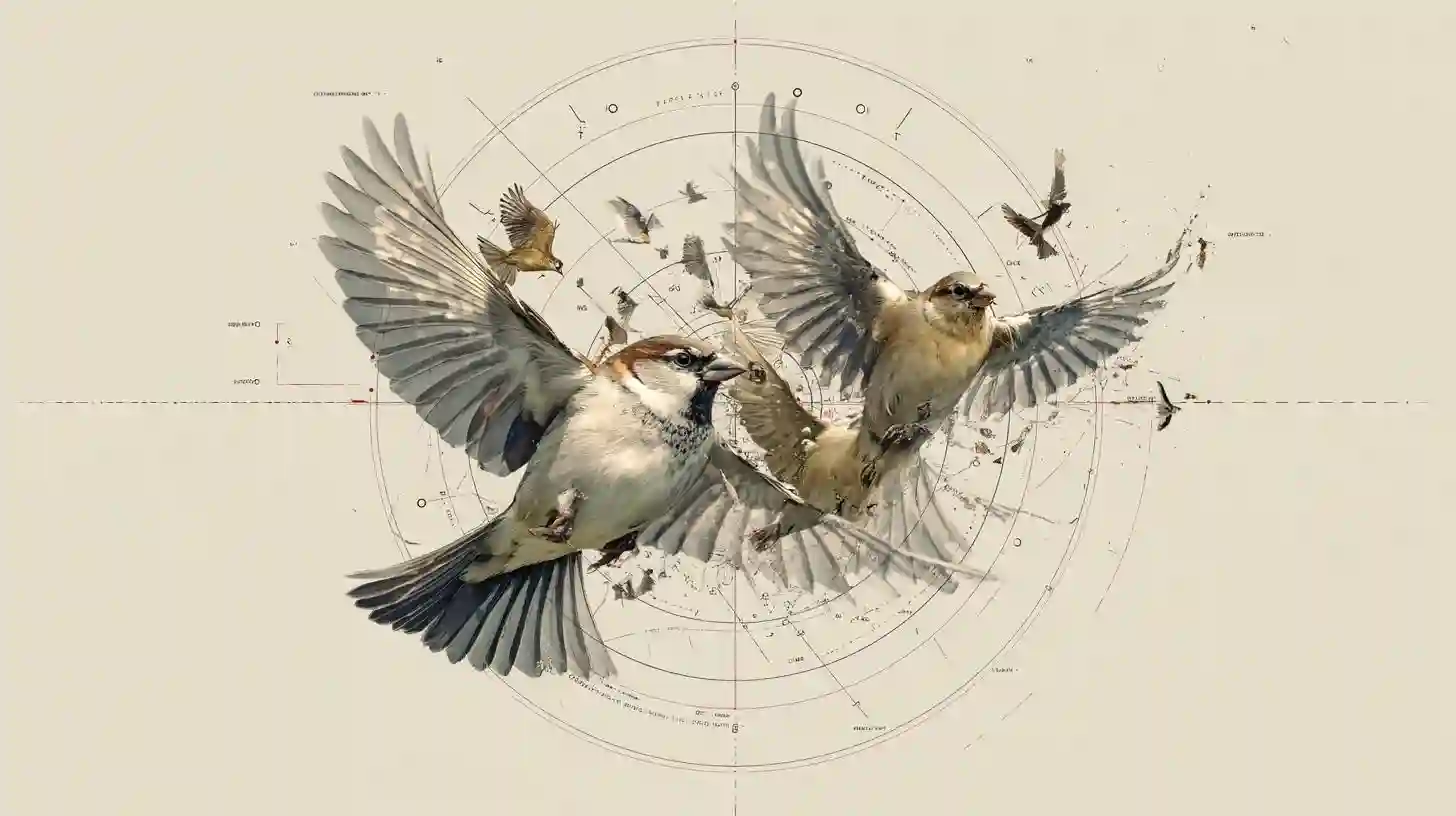
Bird migration is one of nature’s most fascinating phenomena, representing a combination of instinct, environmental cues, and evolutionary necessity. Birds undertake these extensive journeys to survive and reproduce, responding to shifts in food availability, weather conditions, and breeding opportunities. Seasonal changes often dictate the timing and direction of these movements, with many species traveling thousands of miles between their breeding and wintering grounds. The primary driver for migration is usually the search for food. As seasons change, the abundance of insects, seeds, fruits, and other nutritional resources fluctuates. In colder regions, winter can bring a scarcity of these essential resources, compelling birds to move to more hospitable climates where sustenance is readily available. This behavior is not only vital for individual survival but also ensures that offspring are raised in environments with ample resources. Reproduction plays a crucial role in migration patterns. Birds often travel to areas that provide optimal nesting sites, protection from predators, and abundant food for chicks. These areas may be distant from their usual habitats, necessitating long migratory journeys. The timing of migration is frequently synchronized with the peak availability of food, which maximizes the chances of successful reproduction. Climate and weather patterns also influence migratory behavior. Many species rely on temperature cues and daylight length to signal the appropriate time to move. Changes in wind patterns, storm systems, and other meteorological conditions can affect the routes birds take, sometimes leading to remarkable adaptations such as flying at higher altitudes or altering the timing of departure. These adjustments highlight the sensitivity of birds to environmental signals and the precision with which they navigate the natural world. Navigation during migration is a complex and astonishing process. Birds use a combination of innate instincts and learned behaviors to find their way across continents and oceans. Some species rely on the position of the sun or stars, while others detect the Earth’s magnetic field to maintain orientation. Visual landmarks such as rivers, mountains, and coastlines also guide their movements, demonstrating a remarkable integration of multiple navigational strategies. Social behavior influences migration as well. Certain birds travel in flocks, benefiting from collective knowledge of routes and the aerodynamic advantage of flying in formation. Flocking can reduce energy expenditure and increase the likelihood of survival during long journeys. Conversely, solitary migrants rely heavily on individual navigational skills and environmental cues to reach their destinations. Human activity has increasingly impacted migratory patterns. Urbanization, habitat destruction, and climate change alter the availability of stopover sites and food resources. Birds may be forced to modify traditional routes or extend their journeys, which can affect survival rates and reproductive success. Conservation efforts aim to mitigate these impacts by protecting critical habitats, establishing bird-friendly corridors, and monitoring populations to ensure the continuation of migratory traditions. Evolutionary biology provides insight into why migration persists despite its inherent risks. Birds that successfully migrate gain access to resources and breeding opportunities unavailable to non-migratory individuals, enhancing their overall fitness. Over generations, natural selection favors traits that support long-distance travel, such as efficient wing structures, energy storage mechanisms, and heightened navigational abilities. This evolutionary pressure has sculpted an extraordinary diversity of migratory behaviors adapted to specific ecological niches. Migration is not uniform across all species. Some birds undertake short, local movements while others traverse entire hemispheres. The distances covered, timing, and routes vary depending on ecological requirements, geographic distribution, and species-specific life histories. These variations illustrate the adaptability of birds to their environments and the intricate balance between risk and reward inherent in migration. Seasonal movements also serve broader ecological functions. Migrating birds can influence insect populations, seed dispersal, and nutrient cycling across ecosystems. Their journeys create connections between distant habitats, highlighting the interdependence of ecosystems across vast landscapes. Understanding these patterns offers valuable insight into the interconnectedness of life on Earth and the delicate equilibrium maintained by migratory species.