Birthday celebrations have been a significant part of human culture for centuries, with each region and country adding its own customs and traditions. The act of marking the anniversary of one’s birth is a universal practice, though the way it is celebrated varies greatly from one culture to another. The deep-rooted nature of birthdays in society shows how important they are as a marker of life, identity, and the passage of time. Birthdays offer a time for people to reflect, connect with loved ones, and celebrate the gift of life itself.
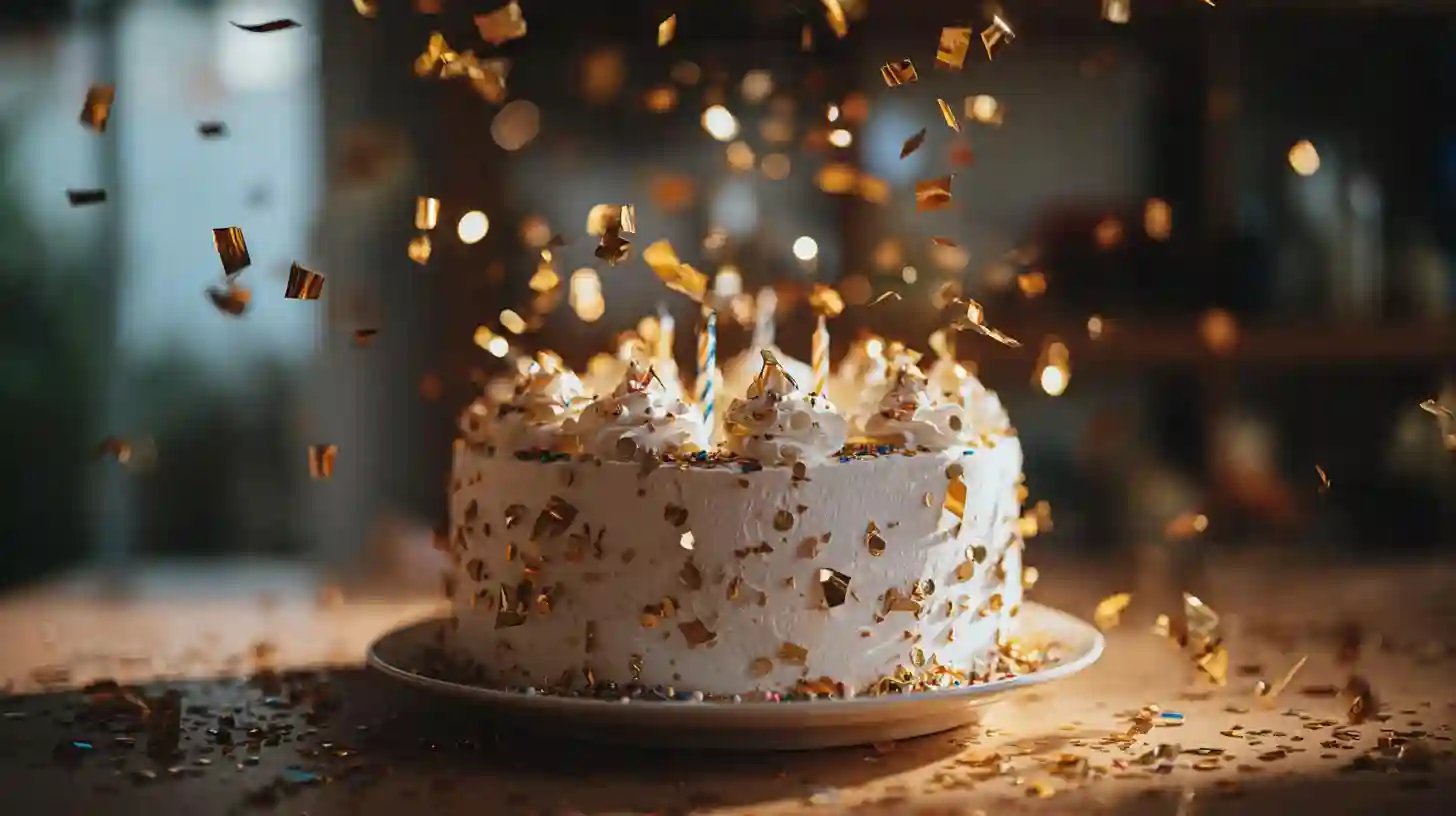
In many Western cultures, birthdays are celebrated with grand festivities, where friends and family gather to express their well-wishes. The cake, often decorated with candles representing the individual’s age, is a central element of the celebration. Blowing out the candles while making a wish is a widely recognized tradition, symbolizing hope and the desire for good fortune in the year to come. The custom of gift-giving also plays a significant role in many Western birthdays, where the act of giving is meant to show appreciation and love for the person whose birthday is being celebrated.
In certain parts of Europe, birthday celebrations are entwined with cultural customs that have been passed down through generations. For example, in the Netherlands, a person celebrating their birthday often receives a ‘congratulations’ from everyone they meet, including strangers. The Dutch emphasize the social importance of birthdays, making sure the individual feels supported and loved by their community. Meanwhile, in Germany, a birthday can be a more intimate occasion, where family and close friends gather to celebrate in a quiet but warm atmosphere. The German birthday cake, often a traditional layered sponge with cream, is another defining feature of the event.
In parts of Latin America, birthday celebrations are deeply entwined with religious and family values. In countries like Mexico, the ‘fiesta’ is often a large, joyful gathering, complete with music, dancing, and an abundance of food. A traditional aspect of these celebrations is the piñata, a brightly colored decoration filled with treats, which is broken open by the birthday person while blindfolded. This playful tradition is meant to symbolize the breaking of obstacles and the arrival of joy in the person’s life. Birthdays in Latin American cultures also involve a strong sense of community, with extended families often gathering to honor the birthday person, highlighting the importance of familial bonds.
In Asian cultures, birthday celebrations can vary widely depending on the country and its historical traditions. In China, for example, the first birthday of a child is of particular significance, often celebrated with a grand banquet. This event, known as the ‘Zhuazhou,’ is marked by the child being placed in front of a selection of items, such as books or a pen, which represent different paths in life. The item the child reaches for is believed to signify their future profession or destiny. Similarly, in Korea, birthdays are important milestones, with a special dish called ‘miyeok-guk,’ a seaweed soup, being served to mark the occasion. This soup is traditionally eaten by Koreans on their birthdays as a way to honor their mother, as it is thought to have healing properties and symbolizes the care that mothers provide.
India offers yet another perspective on birthday celebrations. While birthdays in India can be similar to Western practices, they often incorporate traditional customs that reflect the country’s diverse cultural heritage. For example, many people in India observe religious rituals to mark their birthdays, offering prayers and seeking blessings from gods or elders. In some regions, it is common for individuals to receive a ‘tilak,’ a mark made with colored powder on their forehead, as a sign of good luck and protection. Birthdays in India are also celebrated with family gatherings, and the cutting of a birthday cake is a relatively modern custom that has been incorporated into the celebrations, particularly in urban areas.
Moving across the globe to Africa, birthday traditions can be deeply influenced by local beliefs and customs. In many African cultures, birthdays are celebrated with music, dancing, and feasting. The rituals surrounding birthdays can vary from tribe to tribe, but the sense of community and family is always central. In some cultures, birthdays are seen as a time to acknowledge one’s survival and accomplishments. It is a reminder of the individual’s strength, resilience, and place within the greater community. In some regions, traditional rites of passage are also celebrated alongside birthdays, marking significant milestones in a person’s life.
Despite the vast differences in how birthdays are celebrated across the world, there is one common thread that runs through all cultures: birthdays are a time to reflect on the individual’s journey, appreciate the people who make that journey possible, and celebrate life itself. The form in which this celebration takes place may differ, but the emotions and significance attached to it are universal. Whether it is through the lighting of candles, the sharing of a meal, or the giving of gifts, birthdays serve as a reminder of the joy and gratitude that life brings, and the importance of marking the moments that make life truly meaningful.